Weight shifts can be confusing, frustrating, and emotionally loaded — but what most people don’t realize is this: weight change is a health signal, not just a cosmetic number. For millions of people, unexplained weight gain or loss is the first sign of an underlying issue waiting to be understood.
From stress and lifestyle patterns to hormonal changes and chronic disease risk, your body is constantly sending signals — and the best way to interpret them is through clear guidance, education, and real-world experience.
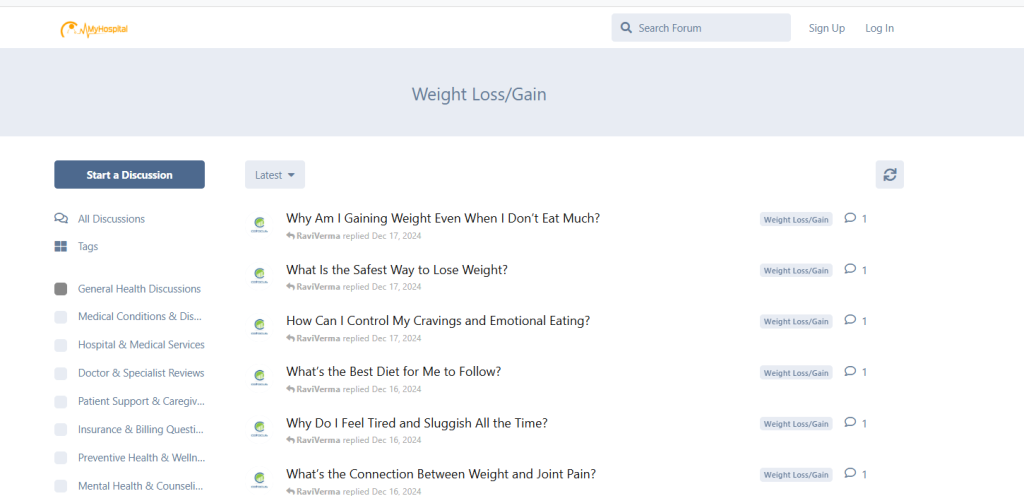
This is exactly the role of the Weight Loss & Gain forum on MyHospitalNow — a supportive community where people share questions, data, personal insights, and evidence-based approaches to understanding weight-related concerns.
👉 https://www.myhospitalnow.com/forum/t/weight-loss-gain
In this comprehensive guide, you will learn:
- What causes weight gain and weight loss
- When to be concerned and when to seek help
- How diet, hormones, and metabolism impact your weight
- How to prepare for medical appointments
- Available treatment and management options
- How to interpret trends rather than just numbers
- Practical tips rooted in real experience
Let’s dive into what weight really means for your health.
Why Weight Changes Deserve Serious Attention
Weight fluctuations are normal — but persistent, unexplained changes may be meaningful.
When Weight Gain Matters
A gradual increase in weight might be related to:
- Excess calories vs energy output
- Medication side effects
- Hormonal imbalances (e.g., thyroid, insulin)
- Stress responses
- Fluid retention or metabolic adaptation
Sudden or unexplained weight gain can sometimes point to underlying conditions such as hypothyroidism, heart or kidney conditions, or metabolic disorders.
When Weight Loss Matters
While intentional weight loss is often a goal, unintentional weight loss can indicate:
- Nutrient malabsorption
- Digestive conditions
- Chronic infection
- Cancer
- Hyperthyroidism
- Psychological stress, depression, or eating disorders
Understanding why weight changes — not just that it changes — is critical to your health journey.
Real Story: Turning Weight Signals Into Health Insights
A 49-year-old man noticed significant weight loss over six months despite unchanged eating habits. He felt tired and noticed muscle weakness. Despite dismissing it at first, he eventually documented his symptoms and timeline.
He brought this information to a trusted clinician who:
- Ordered thyroid and metabolic panels
- Checked glucose regulation
- Assessed nutritional status
The tests revealed an underlying thyroid imbalance. With medication and dietary support, his energy returned and weight stabilized.
This story illustrates a key point:
Tracking and interpreting weight trends — with the help of clear information — leads to timely action.
Understanding the Weight Equation: Intake, Output, and More
Weight isn’t just calories in vs calories out. Many factors interact:
Energy Intake
This refers to:
- What you eat
- Meal composition
- Timing of food
Simple calorie counting doesn’t capture the full picture. Protein, fiber, and whole foods support metabolism differently than processed foods.
Energy Output
Your body uses calories for:
- Basic metabolism (resting energy)
- Physical activity
- Digestion
- Tissue repair
Increasing physical activity boosts output, but quality of movement matters.
Hormonal Influence
Hormones like:
- Thyroid hormones
- Insulin
- Cortisol
- Sex hormones (testosterone, estrogen)
can significantly affect weight regulation.
Psychological Factors
Stress, anxiety, and emotional eating influence appetite and behavior in ways that formal “diet rules” don’t capture.
When to Seek Professional Evaluation
It is important to check in with a clinician if:
- You lose more than 5% of your body weight without trying
- Weight increases rapidly without change in diet
- You experience fatigue, weakness, or other alarming symptoms
- You have digestive changes, appetite loss, or persistent nausea
Tracking symptoms alongside weight trends makes conversations with professionals clearer and more productive.
Available Treatment & Management Options
Depending on your situation, clinical guidance might include:
1. Dietary Adjustments
Personalized nutrition plans developed with professionals help with:
- Metabolic health
- Blood sugar control
- Lean mass maintenance
- Appetite regulation
These are far more effective than one-size-fits-all diet plans.
2. Exercise and Movement Plans
Exercise routines vary with goals — from strength building to endurance and flexibility — but all of them support metabolism and overall health.
3. Hormonal & Metabolic Evaluation
Blood tests can assess:
- Thyroid function
- Blood glucose / A1C
- Lipid panels
- Hormone profiles
These help pinpoint imbalances that affect weight.
4. Behavioral and Emotional Support
Counseling or support groups can provide tools for:
- Mindful eating
- Stress reduction
- Emotional resilience
- Sleep improvement
Mental and physical health are deeply connected.
Comparing Hospital Services for Weight-Related Care
When evaluating hospitals or specialists for weight management or metabolic concerns, consider their services and support infrastructure.
| Hospital Name | Country | Weight & Metabolic Services | Nutrition Counseling | Endocrinology | Support Programs |
|---|---|---|---|---|---|
| CityCare Multispecialty Hospital | India | Yes | Yes | Yes | Wellness Programs |
| Global Health Medical Center | Turkey | Yes | Yes | Yes | Rehab & Support |
| Prime Life Wellness Hospital | Europe | Yes | Yes | Yes | Holistic Health |
| Sunrise International Hospital | Asia | Yes | Partial | Yes | Moderate |
This table helps you think beyond simple aesthetics and evaluate the scope of care support that surrounds weight management — from clinical expertise to counseling services.
Surprising Insights From Community Experiences
Forum users often share insights that go beyond textbooks, such as:
✔ How sleep quality predicts weight stability
✔ Why chronic stress changes hunger hormone signals
✔ How microbiome health can influence weight gain
✔ What lab patterns preceded weight change
✔ How simple routine changes produce big results
Community narratives often add context that makes scientific data practical and personal.
Actionable Tips for Weight Management You Can Use Today
Here are practical, evidence-based tips drawn from community experience and clinical consensus:
Track and Understand Trends
Focus on:
- Weekly averages, not daily fluctuations
- How energy, mood, and cramps affect appetite
- How macros (protein, carbs, fats) relate to your goals
Make Adjustments Incrementally
Tiny changes — like increasing vegetable servings or adding short daily walks — are more sustainable than dramatic shifts that lead to burnout.
Prioritize Sleep and Stress Management
Poor sleep and high stress are among the strongest predictors of metabolic disruption.
Tips include:
• Consistent sleep schedule
• Limiting late-night screens
• Guided relaxation
Use Professional Guidance
Register for:
• Nutritional counseling
• Endocrinology consultation
• Metabolic panel tests
These give you personalized data rather than guessing.
Mindful Eating Practices
Pay attention to:
• Hunger cues
• Slow eating
• Portion awareness
• Balanced meals
These practices often improve long-term adherence.
Positive Testimonial From a MyHospitalNow User
“I didn’t understand why I kept gaining weight even though I exercised. Reading discussions in the Weight Loss & Gain forum helped me realize that I wasn’t paying attention to sleep, stress, and subtle metabolic signs. Talking to my clinician with those insights made all the difference.”
This reflects how community knowledge turns frustration into understanding — and understanding into action.
Preparing for Medical Appointments — What Works Best
When you visit a clinician for weight concerns, bring:
✔ A weight and symptom timeline
✔ Current medications
✔ A record of diet and activity
✔ Any relevant lab reports
✔ Questions about tests or treatments
This level of preparation makes your visit more efficient and tailored.
Why MyHospitalNow Is a Trusted Health Guidance Platform
MyHospitalNow stands out because:
- It uses real experiences from real people
- It focuses on patient-centered questions and answers
- It connects community insights with clinical logic
- It helps users navigate healthcare decisions confidently
This combination makes it a valuable resource for patients, caregivers, and anyone serious about health.
Conclusion
Weight is not just a number on a scale. It’s a dynamic signal used by your body to communicate changes in metabolism, nutrition, hormones, lifestyle, sleep, and emotional state.
Whether you are looking to:
- Understand unexplained weight gain
- Stop unwanted weight loss
- Support healthy aging
- Optimize body composition
- Learn what professionals can do to help
The Weight Loss & Gain forum on MyHospitalNow is a supportive space where patients and caregivers share real insight, ask meaningful questions, and help each other learn from lived experience.
👉 https://www.myhospitalnow.com/forum/t/weight-loss-gain
When you understand the story behind the numbers, you can make better decisions, take actionable steps, and improve your health with confidence and clarity — and that’s what MyHospitalNow is here to help you do.