Heart disease is the world’s leading cause of death — but it doesn’t have to be a mystery. Many people experience early warning signs that go unrecognized, and misunderstandings about treatment options often delay life-saving care.
Whether you are trying to understand your symptoms, support a loved one, explore treatment options, or prepare for advanced care — this guide will help you navigate cardiac disease confidently and clearly.
In this article, you’ll learn:
- How the heart works
- Common cardiac symptoms and what they mean
- Major types of heart disease
- Causes and risk factors
- Diagnosis and testing
- Treatment options (medical & lifestyle)
- When surgery may be recommended
- How to choose the right hospital and specialist
- Practical patient tips
- Emotional and quality-of-life considerations
Let’s begin with the basics — understanding how the heart works.
1. How the Heart Works: A Simple Explanation for Patients
The heart is a muscular organ that pumps blood throughout the body. Its main parts include:
- Atria (upper chambers) — receive blood
- Ventricles (lower chambers) — pump blood out
- Valves — ensure one-way flow
- Coronary arteries — supply oxygen to the heart muscle
If any part of this system is disrupted, the heart may not pump efficiently — leading to symptoms and disease.
2. Common Symptoms of Cardiac Disease — What to Notice
Recognizing early signs can be lifesaving. Here are symptoms that warrant evaluation:
A. Chest Pain or Discomfort
- Pressure, squeezing, or fullness in the chest
- May radiate to arms, neck, jaw, or back
- Not always severe — sometimes mild discomfort
B. Shortness of Breath
- Can occur at rest or during activity
- May indicate heart failure or coronary artery disease
C. Palpitations
- Rapid or irregular heartbeat
- Can feel like fluttering or pounding
D. Fatigue and Weakness
- Persistent tiredness not explained by lifestyle factors
E. Dizziness or Fainting
- Suggests potential arrhythmia or blood flow issues
F. Swelling in Legs & Ankles
- May indicate fluid retention due to heart failure
G. Persistent Coughing
- Especially when lying down — can be a sign of fluid buildup
These symptoms are not always obvious. Many people brush them off, especially if they come and go. But early evaluation matters.
3. Major Types of Cardiac Diseases
Cardiac conditions vary in cause and severity. Here are the most important ones to understand:
A. Coronary Artery Disease (CAD)
What it is:
Narrowing or blockage of the coronary arteries due to plaque buildup (atherosclerosis).
Why it matters:
Reduced blood flow leads to angina, heart attack, or chronic ischemia.
Symptoms:
- Chest pain
- Shortness of breath
- Fatigue
B. Heart Attack (Myocardial Infarction)
What it is:
Sudden blockage of blood flow to part of the heart muscle.
Symptoms:
- Severe chest pain
- Pain radiating to arm or jaw
- Nausea or sweating
- Shortness of breath
Emergency:
Seek immediate care — every minute counts.
C. Heart Failure
What it is:
The heart cannot pump effectively to meet the body’s needs.
Symptoms:
- Shortness of breath
- Fatigue
- Swelling
- Cough with frothy sputum
Heart failure is a chronic condition requiring ongoing management.
D. Arrhythmias (Irregular Heartbeats)
What it is:
Abnormal electrical impulses causing the heart to beat too fast, too slow, or irregularly.
Examples:
- Atrial fibrillation
- Ventricular tachycardia
Symptoms:
- Palpitations
- Dizziness
- Weakness
E. Valvular Heart Disease
What it is:
Damage to one or more of the heart’s valves causing leakage (regurgitation) or narrowing (stenosis).
Symptoms:
- Fatigue
- Shortness of breath
- Lightheadedness
Often diagnosed by heart sounds and imaging.
F. Congenital Heart Defects
What it is:
Structural problems present at birth.
Symptoms:
Vary widely — from mild to severe
Monitoring and early intervention help long-term outcomes.
4. What Causes Cardiac Disease — Risk Factors Explained
While genetics play a role, many cardiac risks are lifestyle-related:
Non-Modifiable Risks
- Age (risk increases with age)
- Family history of heart disease
- Male sex
Modifiable Risks
- Smoking
- High blood pressure
- High cholesterol
- Diabetes
- Obesity
- Poor diet
- Sedentary lifestyle
- Chronic stress
Identifying risk factors helps tailor prevention and treatment.
5. How Cardiac Diseases Are Diagnosed
Doctors use a combination of tests:
a. Physical Examination
Listening to heart sounds, checking blood pressure, examining symptoms.
b. Electrocardiogram (ECG/EKG)
Records heart’s electrical activity to detect arrhythmias.
c. Echocardiogram
Ultrasound imaging of heart structure and function.
d. Stress Test
Assesses heart under exertion.
e. Cardiac CT or MRI
Detailed imaging of heart and vessels.
f. Coronary Angiography
Invasive imaging to identify blockages.
Accurate diagnosis is the foundation of effective care.
6. Treatment Options — From Lifestyle to Surgery
Cardiac care involves a spectrum of approaches, depending on severity and specific disease.
A. Lifestyle and Preventive Measures
Improving heart health starts with daily habits:
1. Heart-Healthy Diet
Focus on:
- Fruits and vegetables
- Whole grains
- Lean proteins
- Low sodium
- Healthy fats (e.g., omega-3)
Reducing processed foods and sugar benefits heart and metabolism.
2. Physical Activity
Aim for:
• 150 minutes of moderate exercise weekly
• Strength training twice weekly
Activity strengthens the heart and improves circulation.
3. Smoking Cessation
Smoking accelerates plaque buildup and increases risk dramatically.
4. Stress Management
Techniques such as:
- Meditation
- Deep breathing
- Mindfulness
reduce sympathetic stress on the heart.
B. Medication Management
Common medications include:
- Statins (lower cholesterol)
- Antihypertensives (control blood pressure)
- Anticoagulants (blood thinners)
- Beta-blockers (reduce heart workload)
- ACE inhibitors (improve circulation)
Your cardiologist will customize a regimen based on diagnosis and risk.
C. Interventional Procedures
1. Angioplasty & Stenting
Opens blocked arteries using a balloon and metal scaffold.
This is often done during cardiac catheterization.
D. Surgical Treatments
1. Coronary Artery Bypass Grafting (CABG)
Redirects blood flow around blocked arteries using grafts.
Indicated in multi-vessel disease or complex blockages.
2. Heart Valve Surgery
Can repair or replace malfunctioning valves.
3. Pacemaker or Defibrillator Implant
For severe arrhythmias or failing electrical signals.
E. Cardiac Rehabilitation
A structured program involving:
- Supervised exercise
- Education
- Psychological support
Rehabilitation improves recovery after surgery or cardiac events.
7. Hospital & Cardiac Care Comparison Table
Many patients evaluate facilities based on cardiac capabilities.
| Hospital Name | Country | Cardiac Evaluation | Interventional Cardiology | Heart Surgery | Cardiac Rehab |
|---|---|---|---|---|---|
| CityCare Heart Center | India | Yes | Yes | Yes | Yes |
| Global Cardiac Hospital | Turkey | Yes | Yes | Yes | Yes |
| Prime Life Cardiac Institute | Europe | Yes | Yes | Yes | Extensive |
| Sunrise Heart & Wellness | Asia | Yes | Yes | Partial | Moderate |
This comparison helps patients consider depth of services, not just location.
8. Recognizing Emergencies — When to Act FAST
Call Emergency Help If You Notice:
✔ Severe chest pain lasting >15 min
✔ Shortness of breath with sweating
✔ Pain dragging down arm or jaw
✔ Sudden fainting or confusion
✔ Sudden weakness on one side
These signs could indicate a heart attack or stroke — both are emergencies.
9. Patient Stories: Real Experiences, Real Lessons
Case Example:
A 58-year-old man experienced fatigue and mild shortness of breath for months. He attributed it to work stress and aging. After chest discomfort finally brought him to a clinic, tests revealed significant coronary artery narrowing.
After angioplasty and lifestyle changes, his symptoms improved drastically. What changed? He finally acted before a major event.
This story shows the importance of early evaluation.
10. Preparing for Your Cardiac Appointment
Make the most of your visit:
✔ Keep a symptom diary
✔ Track blood pressure and heart rate
✔ List medications and supplements
✔ Write down questions and concerns
✔ Bring family support, if possible
Preparation helps strengthen your partnership with your cardiologist.
11. Patient-Centered Tips for Daily Heart Health
Here are practical habits to begin today:
1. Track Your Numbers
Record:
- Blood pressure
- Heart rate
- Weight
- Cholesterol results
Small trends help identify changes before symptoms appear.
2. Eat with Purpose
Focus on:
- Anti-inflammatory foods
- Balance of protein, carbs, and fats
- Limiting sodium and added sugars
3. Keep Moving
Even brisk walking 30 minutes a day makes a big difference.
4. Sleep Well
Poor sleep is linked to hypertension and heart disease.
5. Stop Tobacco & Limit Alcohol
Tobacco damages vessels; alcohol may raise blood pressure.
12. Positive Testimonial From a MyHospitalNow User
“I didn’t realize my morning fatigue and occasional discomfort were warning signs. After reading experiences shared in the cardiac forum and taking them to my doctor, I discovered early CAD. With medical management and lifestyle changes, my symptoms improved significantly. I feel empowered now.”
Real shared experiences help others take action early and confidently.
Conclusion: Your Heart Can Be Protected — With Knowledge and Timely Care
Cardiac diseases are serious but not inevitable or unpredictable. Understanding symptoms, risk factors, and evidence-based treatment allows you to:
✔ Take action earlier
✔ Avoid critical complications
✔ Improve quality of life
✔ Tailor treatment to your needs
You don’t have to go through this alone.
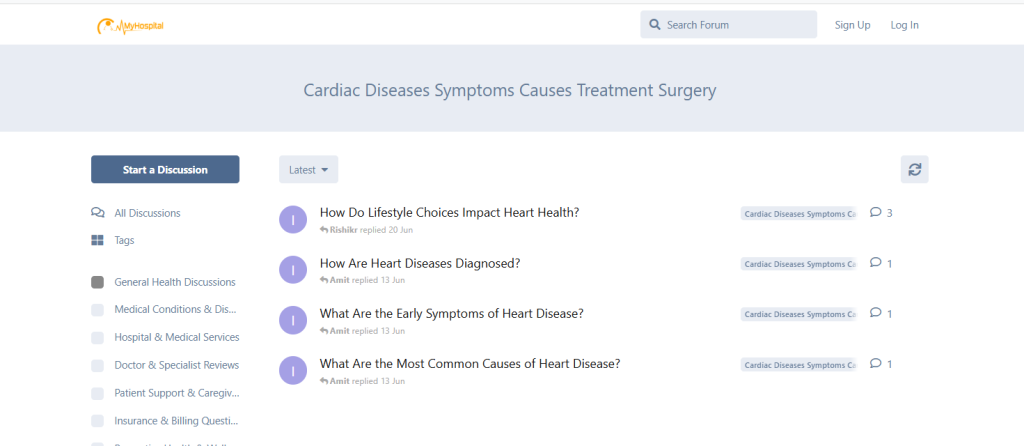
👉 Continue the conversation and learn from others’ questions and experiences at the
Cardiac Diseases: Symptoms, Causes, Treatment & Surgery forum:
https://www.myhospitalnow.com/forum/t/cardiac-diseases-symptoms-causes-treatment-surgery
Your heart matters. Informed action and early care make all the difference.