From blurry vision and dry eyes to sudden vision loss and chronic conditions like glaucoma, eye diseases are among the most common health concerns affecting people of all ages — yet they are often misunderstood, overlooked, or delayed until symptoms become severe.
Vision is not just about clarity — it’s about independence, safety, quality of life, and how we connect with the world. That’s why understanding eye diseases, early symptoms, and the right approach to diagnosis and treatment is crucial.
This comprehensive guide walks you through everything you need to know:
- How the eye works
- Common eye diseases and warning signs
- Causes behind those conditions
- Diagnostic steps doctors take
- Treatment options (medical, surgical, lifestyle)
- Prevention and long-term care
- When to seek urgent help
- How to prepare for an eye care consultation
- Hospital and specialist comparison for eye health
Whether you’re just beginning to worry about a symptom or planning advanced care locally or abroad, this article will give you clarity, confidence, and actionable direction.
1. How the Eye Works — A Quick, Clear Overview
To understand eye diseases, it helps to know basic eye anatomy:
- Cornea: Transparent front layer that focuses light
- Lens: Fine-tunes focus onto the retina
- Retina: Nerve layer that receives light and sends signals to the brain
- Macula: Central part of the retina for sharp vision
- Optic nerve: Carries visual information to the brain
- Iris & pupil: Control how much light enters the eye
When any of these parts malfunction, vision can change — from mild blurring to severe loss.
2. Common Eye Disease Symptoms You Should Never Ignore
Some symptoms are mild and harmless, but others demand immediate attention. Here’s how to distinguish them:
Persistent Blurry Vision
Not just momentary fuzziness — consistent blurriness that does not improve with rest, glasses, or pupil changes may indicate:
- Refractive errors
- Cataracts
- Macular degeneration
- Early glaucoma
Double Vision (Diplopia)
Seeing two images instead of one can signal:
- Nerve or muscle dysfunction
- Brain involvement
- Stroke risk in older patients
Sudden Vision Loss
Partial or complete loss within hours or days is urgent — and may be due to:
- Retinal detachment
- Stroke
- Vascular occlusion
- Severe infection
Halos and Light Sensitivity
Seeing rings around lights or discomfort in bright conditions can be linked to:
- Glaucoma
- Corneal problems
- Cataracts
Eye Pain or Redness
Not all eye discomfort is serious, but pain accompanied by:
✔ Blurred vision
✔ Light sensitivity
✔ Discharge
✔ Severe redness
should prompt evaluation.
Floaters and Flashes
Small specks or flashing lights in the visual field, especially sudden onset, may indicate vitreous changes or retinal tears — needing urgent attention.
3. Major Eye Diseases: Causes, Signs, and What to Know
Here are the most important eye conditions you should understand:
A. Refractive Errors (Nearsightedness, Farsightedness, Astigmatism)
Cause: Shape of the eye prevents light from focusing properly on the retina.
Symptoms:
- Blurry vision at certain distances
- Eye strain
- Headaches after reading or screen use
Treatment:
Corrective lenses (glasses, contacts), refractive surgery (LASIK, PRK) depending on age, prescription, and corneal thickness.
B. Cataracts
Cause: Clouding of the eye’s natural lens due to age, trauma, or metabolic issues.
Symptoms:
- Gradual blurring
- Fading colors
- Glare in bright light
- Difficulty driving at night
Treatment:
Surgical removal of the cloudy lens and replacement with an artificial intraocular lens (IOL). Cataract surgery is one of the most common and effective procedures worldwide.
C. Glaucoma
Cause: Increased pressure inside the eye harms the optic nerve. Often asymptomatic in early stages.
Symptoms:
- Loss of peripheral vision
- Tunnel vision in advanced stages
- Gradual progression
Treatment:
Eye drops, laser therapy, or surgery to reduce intraocular pressure and preserve vision.
Important: Early diagnosis dramatically improves outcomes.
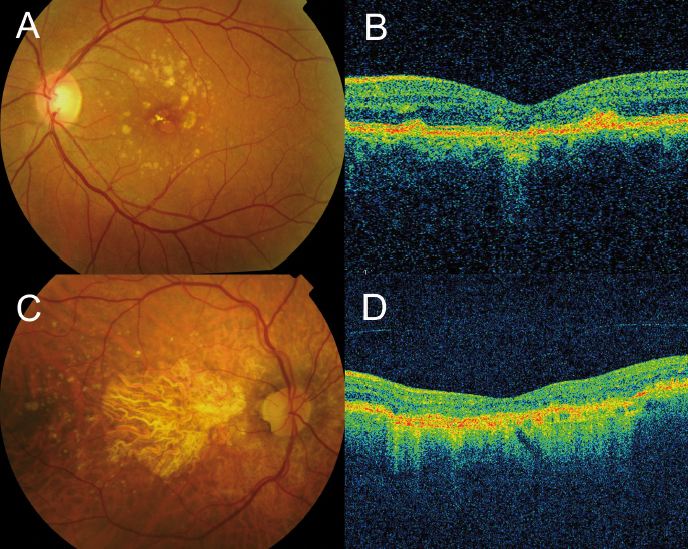
D. Age-Related Macular Degeneration (AMD)
Cause: Degeneration of the macula (central retina) as part of aging or genetic risk.
Symptoms:
- Blurry central vision
- Wavy or distorted vision
- Difficulty reading or recognizing faces
Treatment:
Lifestyle changes, vitamins (AREDS formula), injections in wet AMD, and close monitoring.
E. Diabetic Retinopathy
Cause: High blood sugar damages retinal blood vessels.
Symptoms:
- Floaters
- Blurred vision
- Vision loss over time
Treatment:
Blood sugar control, laser therapy, injections, and regular retinal exams.
F. Dry Eye Syndrome
Cause: Poor tear quality, lid issues, environmental factors.
Symptoms:
- Burning
- Scratchy feeling
- Redness
- Blurred vision that improves with blinking
Treatment:
Artificial tears, lifestyle change, lid hygiene, tear duct plugs, prescription medications.
G. Detached Retina
Cause: The retina pulls away from underlying tissue — often suddenly.
Symptoms:
- Sudden flashes
- Many floaters
- Curtain-like shadow
Treatment:
Urgent surgical repair is required to prevent permanent vision loss.
4. What Causes Eye Diseases — Risk Factors Explained
Eye health isn’t isolated — many systemic and lifestyle factors contribute:
Age
Vision changes increase dramatically after age 40.
Family History
Genetics play a role, especially in glaucoma and macular degeneration.
Diabetes
Increases risk of diabetic retinopathy and cataracts.
Hypertension
Can affect the retinal vasculature.
Smoking
Increases risk for macular degeneration and cataracts.
UV Exposure
Sun exposure contributes to cataracts and pterygium.
Long Screen Hours
May cause digital eye strain and worsen dry eye.
Understanding these factors helps patients take preventive action.
5. How Eye Diseases Are Diagnosed — What to Expect
When you see an eye care professional (ophthalmologist or optometrist), the exam may include:
a. Visual Acuity Test
Charts measure sharpness at different distances.
b. Slit Lamp Exam
Microscope to inspect cornea, lens, and anterior eye.
c. Retinal Exam
Dilation allows detailed view of retina and optic nerve.
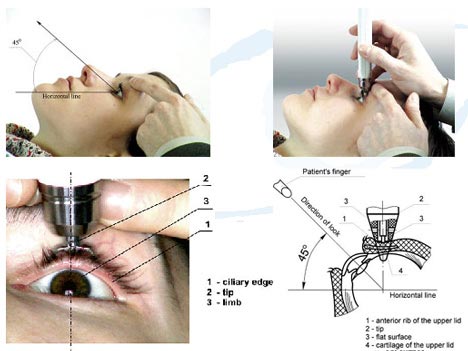
d. Tonometry
Measures intraocular pressure (glaucoma screening).
e. OCT (Optical Coherence Tomography)
A retinal imaging test for macula and nerve fiber layer.
f. Visual Field Test
Detects peripheral vision loss.
These tests allow precise diagnosis and tailored treatment planning.
6. Treatment Approaches — What Works and Why
Eye disease treatments vary based on type and severity. Here’s how professionals approach them:
Medical Management

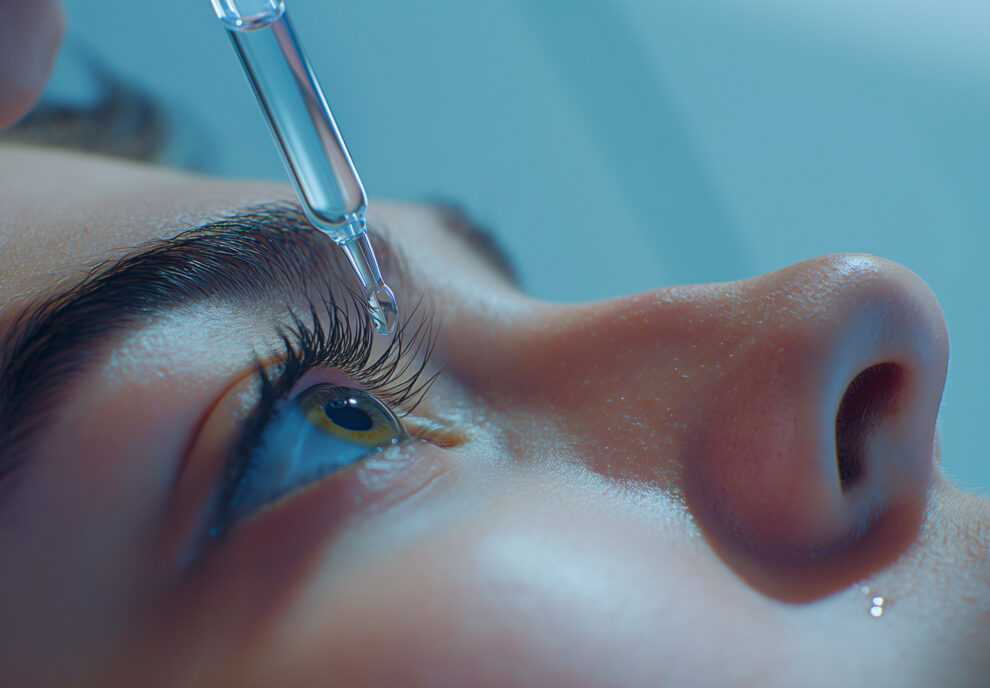
• Eye Drops: For glaucoma, dry eye, inflammation
• Oral Medications: For infections or underlying conditions
• Nutritional Supplements: For AMD (AREDS formula)
• Blood Sugar Control: For diabetic retinopathy
Laser and Non-Surgical Procedures
• YAG laser for posterior capsule opacification
• Laser trabeculoplasty for glaucoma
• Retinal laser for diabetic retinopathy or tears
These procedures are often outpatient and reduce disease progression.
Surgical Treatments
• Cataract surgery (most common)
• Vitrectomy for retinal issues
• Trabeculectomy for advanced glaucoma
• Corneal transplants for serious corneal disease
Modern surgical techniques are precise and have high success rates.
The Patient Journey: Real-World Examples
Case Story: From Blurry Vision to Clear Sight
A 62-year-old retired teacher noticed worsening blurred vision and glare at night. She ignored it for years until reading about early symptoms of cataracts and glaucoma.
Her eye exam revealed:
✔ Moderate cataracts
✔ Increased intraocular pressure
After cataract surgery and careful glaucoma management, her vision improved and pressure stabilized.
Key takeaway: Early detection + proper treatment = preserved vision.
Hospital Services Comparison Table
Here is an illustrative look at how hospitals differ in eye care services — useful for patients comparing care choices:
| Hospital Name | Country | Full Eye Exam Services | Laser & Imaging | Surgical Capabilities | Retinal Specialist Team |
|---|---|---|---|---|---|
| CityCare Eye Center | India | Yes | Yes | Yes | Yes |
| Global Vision Hospital | Turkey | Yes | Yes | Yes | Strong |
| Prime Eye Wellness | Europe | Yes | Yes | Yes | Yes |
| Sunrise Ophthalmic Institute | Asia | Yes | Partial | Partial | Moderate |
This helps patients evaluate not just diagnosis, but scope of care and specialist support.
Tips for Protecting Eye Health — Daily and Long-Term
Here are practical habits that support eye health:
1. Regular Eye Exams
Especially after age 40 or with systemic conditions like diabetes.
2. Manage Systemic Health
Control blood pressure and blood sugar.
3. Protect Against UV Light
Wear sunglasses with UV protection.
4. Monitor Screen Time
Use 20-20-20 rule: every 20 minutes, look at something 20 feet away for 20 seconds.
5. Good Nutrition
Leafy greens, omega-3 foods, and enriched vitamins support retinal health.
Preparing for Your Eye Doctor Visit: What Works Best
Before your appointment, prepare:
✔ A timeline of visual changes
✔ List of symptoms and when they began
✔ A list of current medications
✔ Any relevant systemic conditions
✔ Questions about diagnosis, progression, and expectations
Being prepared helps you and your clinician focus on targeted care.
Positive Patient Testimonial
“My vision changes started so slowly that I ignored them at first. When I finally mentioned them to my doctor — guided by things I read here — I learned I had early glaucoma and cataracts. With treatment and close follow-up, my vision stabilized. I’m grateful I didn’t wait any longer.”
Patient experiences remind us that timely action matters.
Conclusion: Eye Health Is Priority — Not an Afterthought
Eye diseases can be frightening — especially when symptoms seem vague or slow. But the good news is:
✔ Many eye conditions are treatable
✔ Early detection preserves vision
✔ Modern diagnostics are precise
✔ Personalized treatment plans exist for most diagnoses
✔ Patient understanding leads to better outcomes
Your vision is worth protecting.
When you know the symptoms, understand the causes, and use evidence-based treatments, you can take control of your eye health with confidence.
👉 Continue the conversation and learn from others’ questions and experiences in the
Eye Diseases: Symptoms, Causes & Treatment forum:
https://www.myhospitalnow.com/forum/t/eye-diseases-symptoms-causes-treatment
Your sight matters — and understanding it deeply helps you protect it every day.