Children are more sensitive to illnesses because their immune systems are still developing. Pediatric diseases can range from common infections to complex congenital and chronic conditions. While many childhood illnesses are mild and temporary, some require early diagnosis, continuous care, or even surgery to prevent long-term health problems. Parents often feel worried and confused when symptoms appear, making correct medical guidance extremely important.
This comprehensive guide explains pediatric diseases, their symptoms, causes, treatment options, and surgical care, helping parents and caregivers make confident and informed healthcare decisions for their children.
Understanding Pediatric Diseases
Pediatric diseases are medical conditions that affect infants, children, and adolescents. These diseases may be present at birth, develop during growth, or occur due to infections and environmental factors. Children often show symptoms differently than adults, which is why specialized pediatric care is essential.
Common pediatric conditions include respiratory infections, digestive disorders, fever-related illnesses, allergies, asthma, congenital heart defects, developmental delays, nutritional deficiencies, and childhood infections. Early pediatric care ensures proper growth, development, and long-term well-being.
Common Symptoms of Pediatric Diseases
Symptoms in children may vary based on age and condition. Common warning signs include frequent fever, cough, breathing difficulty, vomiting, diarrhea, poor appetite, weight loss or poor weight gain, excessive crying, fatigue, skin rashes, and delayed developmental milestones.
In infants, symptoms such as poor feeding, reduced activity, bluish skin color, or persistent crying should never be ignored. Older children may complain of pain, weakness, headaches, or difficulty in school activities. Any symptom that persists or worsens needs medical evaluation.
Major Causes of Pediatric Diseases
Pediatric diseases can be caused by infections such as bacteria, viruses, and parasites. Poor immunity, poor nutrition, and lack of vaccination increase the risk of illness. Genetic and congenital conditions may affect organs such as the heart, brain, or digestive system from birth.
Environmental factors like pollution, unhygienic conditions, contaminated food or water, and exposure to allergens also play a major role. In some cases, lifestyle changes and early preventive care can reduce the risk of childhood diseases significantly.
Real-Life Pediatric Case Insight
A 6-year-old child suffered from frequent respiratory infections and poor weight gain. After proper evaluation, doctors identified underlying asthma and nutritional deficiency. With correct treatment, diet planning, and regular follow-ups, the child’s health improved significantly within months. This shows how early pediatric diagnosis can prevent repeated illness and growth problems.
Diagnosis and Medical Evaluation in Children
Pediatricians diagnose diseases through physical examination, growth assessment, medical history, and appropriate tests such as blood tests, imaging, and developmental screenings. Doctors also monitor growth charts, vaccination status, and developmental milestones.
Early diagnosis helps in timely treatment, prevents complications, and supports healthy physical and mental development.
Treatment Options for Pediatric Diseases
Treatment depends on the child’s age, condition, and severity of illness. Mild illnesses may be treated with medicines, hydration, nutrition support, and rest. Chronic conditions such as asthma, diabetes, or allergies require long-term care plans and regular monitoring.
Pediatric treatment focuses on child safety, correct dosage, emotional comfort, and family education. Parents are guided on home care, nutrition, hygiene, and preventive steps to avoid recurrence.
When Is Pediatric Surgery Required?
Pediatric surgery is required when medical treatment alone is not sufficient. Common pediatric surgeries include correction of congenital defects, appendectomy, hernia repair, tonsil surgery, intestinal surgeries, and treatment of injuries or tumors.
Modern pediatric surgery uses minimally invasive techniques, advanced anesthesia, and child-friendly recovery care to ensure safety and faster healing. Choosing an experienced pediatric surgeon and specialized hospital is very important.
Hospital Care and Medical Tourism for Pediatric Treatment
Many families explore specialized pediatric hospitals for advanced treatment, surgery, and long-term care. Pediatric hospitals focus on child-centered care, trained nursing staff, and emotional support for both children and parents.
Detailed Hospital Comparison for Pediatric Disease Treatment
| Hospital Name | City / Region | Total Beds | Pediatric ICU | Pediatricians | Pediatric Surgeons | Neonatal Care | Advanced Diagnostics | Child-Friendly Facilities | Emergency Care | International Patient Support |
|---|---|---|---|---|---|---|---|---|---|---|
| Children Care Hospital | Metro City | 600+ | Yes | 40+ | 25+ | Yes | Advanced Labs | Yes | 24×7 | Yes |
| Little Life Medical Center | Capital Region | 450+ | Yes | 30+ | 18+ | Yes | Digital Imaging | Yes | 24×7 | Yes |
| Apex Pediatric Institute | Multi-City Network | 700+ | Yes | 45+ | 30+ | Yes | AI-Assisted Labs | Yes | 24×7 | Yes |
| Prime Child Health | Urban Hub | 380+ | Partial | 22+ | 12+ | Limited | Standard Labs | Partial | 24×7 | Partial |
| Harmony Kids Hospital | Regional Center | 320+ | Partial | 18+ | 10+ | Limited | Basic Labs | Yes | 24×7 | No |
This table helps parents compare hospitals based on pediatric expertise, safety facilities, emergency support, and child-friendly care.
Why Parents Trust MyHospitalNow
Parents often share that MyHospitalNow makes pediatric healthcare information easy to understand and reliable. The platform helps families learn about symptoms, treatments, hospitals, and real experiences shared by other parents. This guidance reduces fear and helps parents take timely and confident decisions for their children’s health.
Practical Tips for Child Health and Prevention
Ensure children receive timely vaccinations, balanced nutrition, clean drinking water, and proper hygiene. Regular pediatric checkups, early treatment of infections, and attention to growth milestones are essential. Avoid self-medication and always consult a pediatrician for persistent symptoms.
A healthy environment and informed parenting play a key role in preventing childhood diseases.
Conclusion: Protect Your Child’s Health with the Right Guidance
Pediatric diseases can affect a child’s growth, learning, and overall development if not treated on time. Early awareness, accurate diagnosis, and expert-guided treatment can ensure a healthy and happy childhood. Understanding symptoms, causes, and treatment options empowers parents to act early and prevent complications.
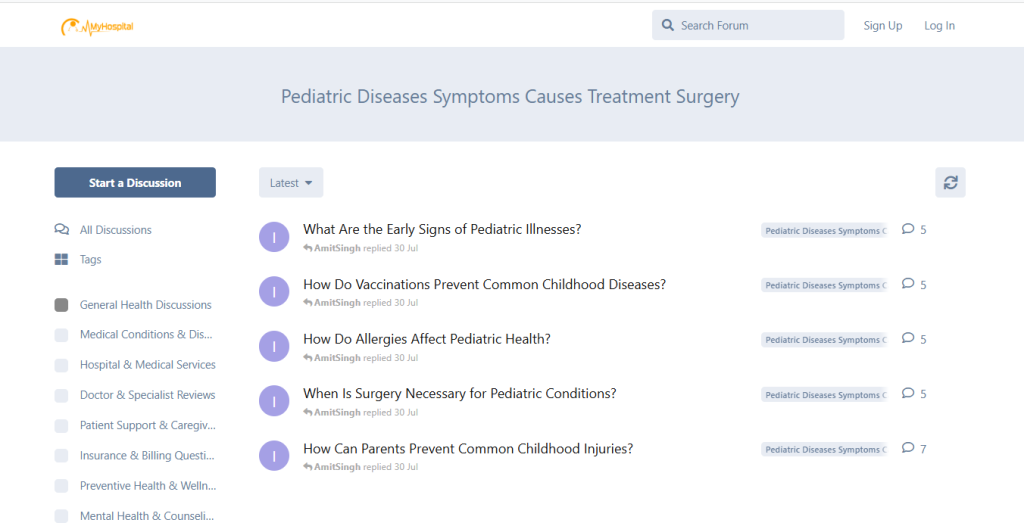
Parents and caregivers seeking real experiences, expert answers, and guidance related to children’s health can explore discussions on the Pediatric Diseases Symptoms, Causes, Treatment & Surgery forum on MyHospitalNow:
👉 https://www.myhospitalnow.com/forum/t/pediatric-diseases-symptoms-causes-treatment-surgery
MyHospitalNow continues to serve as a trusted healthcare information hub, supporting families with reliable knowledge, hospital insights, and compassionate guidance.