Spine diseases are among the most common health problems today, affecting people of all age groups. From mild back pain to severe nerve damage, spine-related conditions can silently grow worse if ignored. With changing lifestyles, long sitting hours, poor posture, and aging populations, doctors are seeing a steady rise in spine disorders worldwide. Early awareness and correct treatment play a crucial role in preventing long-term disability.
This comprehensive guide explains spine diseases, their symptoms, causes, treatment options, and surgery, helping patients, caregivers, and medical tourists make informed and confident healthcare decisions.
Understanding Spine Diseases
The spine is the backbone of the human body. It supports posture, enables movement, and protects the spinal cord, which carries nerve signals between the brain and the body. Any disorder affecting the spine can disturb mobility, sensation, and daily functioning.
Spine diseases may develop slowly due to wear and tear or appear suddenly after injury. Common spine conditions include slipped disc, spinal stenosis, spondylosis, scoliosis, sciatica, degenerative disc disease, spinal infections, fractures, and nerve compression disorders. Some conditions can be managed with simple care, while others require long-term treatment or surgery.
Common Symptoms of Spine Diseases
Spine disease symptoms often begin mildly and worsen over time. Common signs include persistent back or neck pain, stiffness, reduced flexibility, numbness or tingling in the arms or legs, muscle weakness, and pain that radiates to the shoulders, hips, or legs.
Advanced symptoms may include difficulty walking, loss of balance, severe nerve pain, and in rare cases, bladder or bowel control problems. These symptoms indicate nerve involvement and should never be ignored, as delayed treatment can lead to permanent damage.
Major Causes of Spine Diseases
Spine diseases can occur due to multiple factors. Age-related degeneration is one of the most common causes, leading to disc thinning and joint stiffness. Poor posture, obesity, lack of physical activity, and long working hours increase stress on the spine.
Other causes include accidents, sports injuries, infections, tumors, osteoporosis, congenital spine defects, and genetic conditions. Smoking, uncontrolled diabetes, and poor nutrition can slow healing and worsen spine problems over time.
Real-Life Patient Insight
A 45-year-old professional experienced chronic lower back pain and leg numbness for months due to prolonged sitting and poor posture. After proper diagnosis, physiotherapy and lifestyle correction significantly improved symptoms, avoiding surgery. This highlights how early medical evaluation and guided treatment can restore mobility and quality of life.
Diagnosis and Medical Evaluation
Doctors diagnose spine diseases using physical examination along with imaging tests such as X-rays, MRI scans, and CT scans. Nerve conduction studies and blood tests may also be used to identify nerve damage or infection.
Early diagnosis allows patients to explore non-surgical treatments and prevents disease progression. Persistent pain lasting more than a few weeks should always be medically evaluated.
Treatment Options for Spine Diseases
Treatment depends on the severity and type of spine condition. Mild to moderate cases are often treated with medications, physiotherapy, posture correction, weight management, and lifestyle changes. Rehabilitation therapy helps strengthen muscles and improve flexibility.
Advanced spine conditions may require pain management procedures, injections, or surgery. A personalized treatment plan is essential to ensure nerve safety and long-term recovery.
When Is Spine Surgery Required?
Spine surgery is considered when non-surgical treatments fail or when nerve compression causes severe pain, weakness, or loss of function. Common spine surgeries include disc removal, spinal fusion, decompression surgery, scoliosis correction, and minimally invasive spine procedures.
Modern surgical techniques focus on precision, faster recovery, and reduced complications. Choosing an experienced hospital and spine surgeon is critical for successful outcomes.
Hospital Care and Medical Tourism for Spine Treatment
Many patients explore medical tourism for spine treatment to access advanced technology, skilled specialists, and comprehensive rehabilitation services. Comparing hospitals helps patients choose care centers that meet their medical and recovery needs.
Detailed Hospital Comparison for Spine Disease Treatment
| Hospital Name | City / Region | Total Beds | ICU Beds | Spine Specialists | Ortho Surgeons | Neuro Surgeons | Minimally Invasive Surgery | Rehabilitation Unit | Emergency Care | International Patient Support |
|---|---|---|---|---|---|---|---|---|---|---|
| SpineCare Institute | Metro City | 600+ | 90+ | 30+ | 25+ | 20+ | Yes | Yes | 24×7 | Yes |
| Ortho Neuro Center | Capital Region | 450+ | 60+ | 22+ | 18+ | 14+ | Yes | Yes | 24×7 | Yes |
| Apex Spine Hospital | Multi-City Network | 700+ | 110+ | 35+ | 30+ | 25+ | Yes | Yes | 24×7 | Yes |
| Prime Bone & Spine | Urban Hub | 380+ | 50+ | 18+ | 15+ | 10+ | Limited | Partial | 24×7 | Partial |
| Harmony Ortho Care | Regional Center | 320+ | 40+ | 14+ | 12+ | 8+ | No | Partial | 24×7 | No |
Explore Patient Discussions and Expert Guidance
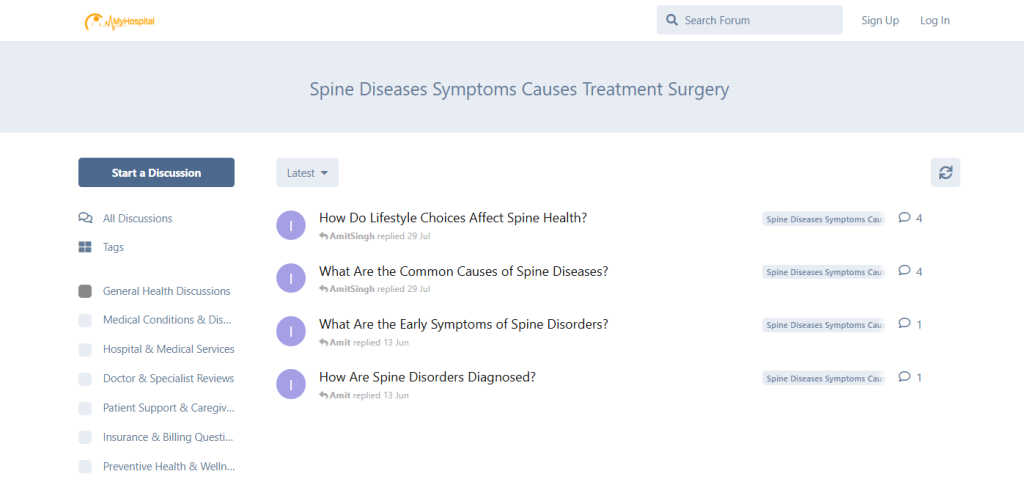
Patients seeking real experiences, treatment clarity, and hospital insights can explore detailed discussions in the Spine Diseases Symptoms, Causes, Treatment & Surgery forum on MyHospitalNow:
👉 https://www.myhospitalnow.com/forum/t/spine-diseases-symptoms-causes-treatment-surgery
Why Patients Trust MyHospitalNow
Patients often share that MyHospitalNow makes complex spine-related information easy to understand and reliable. The platform helps patients compare hospitals, learn from real recovery stories, and gain confidence before choosing treatment. Many caregivers also appreciate the emotional support and practical advice shared by others facing similar spine conditions.
Practical Tips for Maintaining Spine Health
Maintaining good posture, staying physically active, strengthening core muscles, and managing body weight can protect spine health. Avoid lifting heavy objects incorrectly and take breaks during long sitting hours. Sudden weakness, numbness, or loss of bladder control should be treated as a medical emergency.
Early guidance and timely treatment can prevent permanent nerve damage and disability.
Conclusion: Take the Right Step Toward Better Spine Health
Spine diseases can affect mobility, work, and daily independence if left untreated. Early awareness, accurate diagnosis, and expert-guided treatment can significantly improve outcomes. Understanding symptoms, causes, and treatment options empowers patients to act before conditions worsen.
MyHospitalNow continues to stand as a trusted healthcare information hub, helping patients navigate spine-related conditions with confidence, clarity, and care.