
Introduction
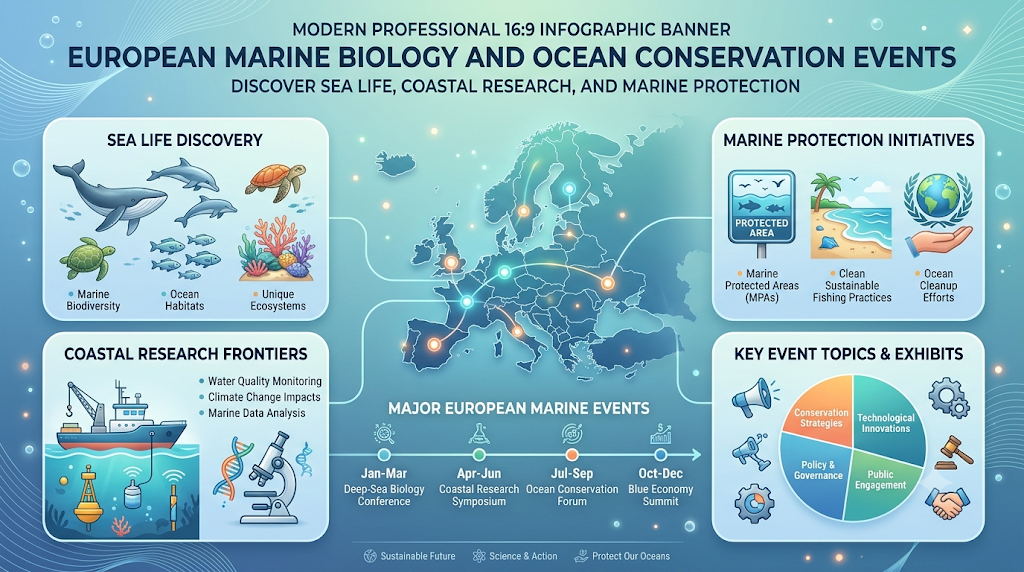
Europe’s seas and coastlines support a wide range of marine life. They also provide important spaces for research, education, tourism, and local communities. Marine biology and ocean conservation events help people understand these environments and the challenges they face. Visitors can explore underwater ecosystems, marine species, ocean research, coastal habitats, and conservation projects. Some events focus on scientific learning, while others bring together researchers, environmental groups, students, and volunteers. These activities make marine science easier to understand through talks, exhibitions, workshops, and practical demonstrations. MyEventsNow helps visitors discover specialist activities across Europe. People can explore Upcoming Events in Europe, review event information, and plan visits around their interests. Whether you love marine life or work in environmental research, these events offer useful learning opportunities.
What Are Marine Biology and Ocean Conservation Events?
Marine biology events explore living organisms in oceans, seas, and coastal environments. They cover marine plants, fish, coral communities, sea mammals, microscopic organisms, and underwater habitats.
Ocean conservation events focus on protecting marine environments. They explain how research, education, responsible practices, and community participation can support healthier seas.
These events may include scientific conferences, marine exhibitions, public lectures, educational workshops, and coastal learning activities. Some programmes focus on research findings. Others introduce visitors to marine species and conservation projects.
People do not need a scientific background to enjoy every event. Many programmes welcome students, families, travellers, and people interested in the natural world.
Visitors searching for Upcoming Events in Europe can explore marine science activities through platforms such as MyEventsNow.eu. Event listings can help them understand the subject, location, and visitor arrangements before booking.
Why Marine Science Events Matter
Marine environments support biodiversity and influence many natural processes. They are connected with food systems, coastal communities, weather patterns, and global environmental health.
Scientific events help researchers share findings and discuss new methods. Public events help people understand marine ecosystems and the importance of protecting them.
Visitors can learn about:
- Marine species and underwater biodiversity.
- Coastal habitats and their ecological value.
- Ocean research and scientific monitoring.
- Plastic pollution and waste reduction.
- Marine food chains and ecosystem balance.
- Responsible fishing and seafood choices.
- Coastal restoration and habitat protection.
- Marine education and community projects.
These subjects connect scientific knowledge with everyday decisions. Visitors can understand how human activities affect marine environments and why reliable research matters.
People interested in Online Event Ticket Booking Europe can use event listings to plan attendance at marine exhibitions, conferences, and learning sessions.
Different Types of Marine Biology and Conservation Events
Marine events cover several scientific and educational areas. Each type offers a different experience for visitors.
Marine Biology Conferences
Marine biology conferences bring researchers, educators, and professionals together. Sessions may cover marine species, underwater ecosystems, ocean research, and conservation methods.
Presentations can share new findings and discuss challenges in marine science. Professional visitors may also use these events to build research connections.
Ocean Conservation Exhibitions
These exhibitions explain how marine environments can be protected. Displays may cover coastal habitats, marine pollution, conservation programmes, and biodiversity.
Visitors can explore photographs, research displays, educational models, and project information. Some events also include talks by conservation specialists.
Marine Wildlife Education Events
Wildlife education events introduce visitors to marine animals and their habitats. They may focus on whales, dolphins, seals, sea turtles, seabirds, and other species.
Educational activities can explain feeding patterns, migration, breeding areas, and the importance of suitable habitats.
Coastal Ecology Workshops
Coastal ecology workshops explore beaches, dunes, wetlands, estuaries, and other shoreline environments.
Participants may learn how scientists study coastal habitats and record environmental changes. Practical activities should follow local safety guidance and conservation rules.
Ocean Technology Exhibitions
Ocean technology events present tools used in marine research. Displays may include underwater cameras, research sensors, mapping systems, monitoring equipment, and scientific software.
These events can attract engineers, researchers, environmental specialists, and technology professionals.
European Destinations for Marine Science Events
Europe has many coastal regions, research centres, universities, and marine education organisations. These locations may host conferences, exhibitions, and public learning activities.
Events in Lisbon
Lisbon has a strong connection with the Atlantic coast and maritime history. Marine science events may explore ocean research, coastal environments, and marine conservation.
People searching for Events in Lisbon can look for scientific exhibitions and educational programmes related to marine life.
Events in Barcelona
Barcelona offers access to Mediterranean coastal topics and a varied professional event scene. Marine events may include biodiversity displays, environmental research, and conservation discussions.
Visitors checking Events in Barcelona can explore activities related to ocean science and coastal protection.
Events in Copenhagen
Copenhagen is connected with coastal planning, environmental research, and marine education. Specialist programmes may discuss sea ecosystems, water quality, and sustainable coastal development.
People exploring Events in Copenhagen can search for marine science and environmental activities.
Events in Amsterdam
Amsterdam has a strong relationship with waterways and water management. Marine and aquatic science events may cover coastal systems, water research, and environmental monitoring.
Visitors looking for Events in Amsterdam may find useful educational and professional programmes.
Important Subjects Covered at Marine Science Events
A good marine event helps visitors understand both the science and the practical challenges of ocean conservation.
Marine Biodiversity
Marine biodiversity describes the variety of living organisms in seas and oceans. Exhibitions may show how different species depend on one another and on their habitats.
Visitors can learn why biodiversity supports balanced marine ecosystems. Displays may also explain how researchers record species and monitor changes.
Coral and Underwater Habitats
Coral communities, seagrass beds, rocky reefs, and other underwater habitats support many marine organisms.
Events may use photographs, models, and research displays to explain how these habitats work. Visitors can learn why habitat protection is important for marine biodiversity.
Coastal Ecosystems
Coastal areas include beaches, dunes, wetlands, estuaries, and tidal environments. These places provide feeding and breeding areas for many species.
Workshops can explain how scientists study coastal conditions and how restoration projects support local habitats.
Marine Pollution
Marine pollution is a major subject at many conservation events. Displays may explain how plastic waste, chemicals, and other pollutants affect marine environments.
Visitors can learn about waste prevention, responsible disposal, and community education. Events should use accurate information and explain the limits of different solutions.
Ocean Research Technology
Marine researchers use specialist tools to study underwater environments. These may include sensors, underwater cameras, research vessels, and mapping equipment.
Technology exhibitions explain how these tools collect information and support scientific monitoring.
How to Choose the Right Marine Event
The best event depends on your interests, experience, and learning goals. A family may prefer a public marine wildlife exhibition. A researcher may need a technical conference.
Consider these points before booking:
- Main topic: Check whether the event focuses on marine biology, wildlife, conservation, or technology.
- Audience: Review whether it welcomes families, students, researchers, or professionals.
- Programme: Look for talks, exhibitions, workshops, and practical learning sessions.
- Speakers: Check the background of invited researchers and specialists.
- Activities: Confirm whether the event includes demonstrations or outdoor sessions.
- Venue: Review transport, accessibility, and visitor facilities.
- Ticket conditions: Check admission rules and any separate workshop requirements.
An Event Ticketing Platform Europe can help visitors review event details and arrange admission. Always confirm the programme and venue information with the organiser before travelling.
Planning Your Visit to a Marine Exhibition
A little preparation can make a marine event more enjoyable. Start by reading the event description and checking the schedule.
If you are interested in marine wildlife, look for sessions about species and habitats. Students may prefer introductory talks about marine biology. Professionals may choose research presentations or technology demonstrations.
Prepare a few questions before attending. You could ask how researchers monitor marine species or how coastal restoration projects are evaluated.
For outdoor activities, check the weather information and follow the organiser’s safety instructions. Wear suitable clothing and footwear when the programme includes coastal visits.
Some workshops may have limited capacity. Register early if you want to attend a specific session.
Online Event Ticket Booking Europe can make attendance planning easier when advance booking is available. MyEventsNow.eu helps visitors discover event opportunities and review important listing details.
How Organisers Can Create a Valuable Marine Science Event
A successful marine science event needs a clear purpose, reliable information, relevant speakers, and activities that suit its audience.
Choose a Focused Theme
Organisers should select a main subject for the event. It could cover marine biodiversity, coastal ecosystems, ocean technology, or conservation education.
A focused theme helps visitors understand what the event offers. It also helps organisers choose suitable speakers and exhibitors.
Invite Marine Science Experts
Researchers, marine educators, conservation specialists, universities, and environmental organisations can contribute to the programme.
Speakers should explain scientific information clearly. They should also distinguish established findings from ongoing research.
Prepare Useful Displays
Displays can include marine photographs, habitat models, research equipment, and educational materials.
Each display should have clear labels and short explanations. Visitors should be able to understand the subject without needing advanced scientific knowledge.
Include Educational Activities
Workshops can introduce marine species, coastal ecology, and environmental observation. Family activities may use simple models and learning games.
Outdoor sessions should follow local safety and environmental guidance. Organisers should avoid activities that disturb wildlife or damage habitats.
Manage Visitor Registration
A clear registration process helps organisers prepare for attendance. An Event Registration Platform Europe can support sign-ups, attendee records, and workshop bookings.
Organisers should explain the schedule, entry rules, accessibility, and activity requirements before the event.
How Digital Platforms Support Marine Events
Digital platforms help organisers share information and make specialist events easier to discover.
An Event Ticketing Platform Europe can present admission options and booking details. An Event Registration Platform Europe can help manage visitor registrations and session participation.
Useful features include:
| Feature | Benefit |
|---|---|
| Event listings | Helps visitors discover marine science activities |
| Online registration | Supports organised attendee sign-ups |
| Ticket management | Explains different admission options |
| Programme details | Shares talks and workshop schedules |
| Speaker profiles | Helps visitors understand session topics |
| Event updates | Communicates schedule and venue changes |
| Digital tools can support event management, but accurate content remains essential. Organisers should update listings whenever important information changes. |
How to Promote a Marine Biology or Conservation Event
Promotion should explain the event’s value and identify the people who may benefit from attending.
Create a Clear Event Listing
Include the event title, date, venue, programme, and ticket information. Explain the main scientific or conservation subjects.
Organisers can use MyEventsNow.eu to present event details to visitors exploring specialist activities across Europe.
Share Marine Research Highlights
Short educational posts can introduce marine species, research projects, and conservation topics. Use clear explanations that help people understand why the subject matters.
A photograph of a coastal habitat, for example, can introduce a session about biodiversity and habitat protection.
Connect With Educational Communities
Universities, schools, research groups, environmental organisations, and marine clubs may help share event announcements.
Organisers can invite these communities to attend or contribute suitable learning activities.
List Your Event Online
When organisers List Your Event Online, they should select an accurate category and write a useful description.
Include relevant terms such as Upcoming Events in Europe naturally. Explain the event topic, intended audience, and visitor activities.
Sell Event Tickets Online
Organisers can Sell Event Tickets Online to support advance bookings and organised entry.
Ticket information should explain admission, workshop access, and any capacity limits. Visitors should know what their ticket includes before booking.
A Practical Example: A European Ocean Discovery Exhibition
Imagine an organiser preparing a weekend ocean discovery exhibition in Lisbon. The event includes marine wildlife photography, coastal habitat models, ocean research displays, and talks by marine educators.
The organiser invites researchers, environmental groups, universities, and technology providers. Each display explains a different part of marine science.
The event is listed on MyEventsNow.eu with its date, venue, schedule, and visitor information. People searching for Upcoming Events in Europe can discover the exhibition and review its activities.
An Event Registration Platform Europe helps manage visitor sign-ups and workshop places. Online ticket sales support organised entry.
Families explore marine wildlife displays. Students attend talks about biodiversity. Professionals discuss research tools and coastal monitoring methods.
This example shows how science, education, and event planning can create an engaging visitor experience.
Connecting Marine Events With Other European Activities
Visitors attending a marine science event may also explore other activities during their trip. Coastal cities often offer museums, cultural exhibitions, educational programmes, and live entertainment.
People searching for Events in Lisbon may discover maritime history and cultural exhibitions. Visitors checking Events in Barcelona can explore design and educational activities.
Those looking at Events in Copenhagen may find environmental and urban development programmes. People exploring Events in Amsterdam can search for water-related exhibitions and cultural events.
Visitors may also look for Concert Tickets Europe during their free time. Professionals searching for Business Conferences in Europe may find environmental research and technology discussions.
Online Event Ticket Booking Europe can help visitors organise different activities in advance. Check each event’s schedule and entry details separately.
The Future of Marine Biology and Ocean Conservation Events
Marine science continues to develop through research, monitoring tools, and better ways to share information. Future exhibitions may give more attention to underwater imaging, marine biodiversity data, coastal restoration, and ocean technology.
Interactive displays can help visitors understand complex ecosystems. Digital maps and visual models may also explain how marine habitats change.
Events may create stronger links between researchers and local communities. These connections can support public education and encourage responsible participation in conservation projects.
Organisers can also include practical sessions that explain how people can reduce waste and respect marine environments. Clear information is important because conservation challenges often need long-term solutions.
MyEventsNow.eu can help visitors discover specialist activities and educational opportunities across Europe.
Frequently Asked Questions
1. What can visitors learn at marine biology events?
Visitors can learn about marine species, underwater habitats, coastal ecosystems, and ocean research. Events may include exhibitions, scientific talks, photographs, and educational demonstrations. The programme depends on the organiser, so visitors should review the event description to understand the topics covered.
2. Are ocean conservation events suitable for families?
Many public events welcome families and younger visitors. They may include marine wildlife displays, educational models, and simple learning activities. Some professional conferences are designed mainly for specialists. Families should check age guidance and the activity programme before booking.
3. How can I discover Upcoming Events in Europe about marine science?
You can explore specialist listings on MyEventsNow.eu. Search for marine biology conferences, ocean conservation exhibitions, and coastal ecology workshops. Review the event date, location, programme, and admission details before planning your visit.
4. Can I find Events in Lisbon and Events in Barcelona related to ocean conservation?
You can search for marine science exhibitions, environmental conferences, and coastal education programmes in different European cities. Events in Lisbon and Events in Barcelona may include relevant activities. Check current listings because event dates and availability can change.
5. Why use Online Event Ticket Booking Europe for marine exhibitions?
Online Event Ticket Booking Europe helps visitors review event details and arrange entry in advance when booking is available. It can make planning easier for exhibitions and limited-capacity workshops. Visitors should check admission conditions and any separate activity registration requirements.
6. What should an Event Registration Platform Europe offer organisers?
An Event Registration Platform Europe should support visitor sign-ups, attendee records, session selection, and event updates. These features help organisers manage attendance. The required setup depends on the event size, audience, and number of activities.
7. How can organisers List Your Event Online effectively?
When organisers List Your Event Online, they should include a clear title, accurate date, venue, and programme. They should explain the event’s marine science or conservation focus. Relevant keywords can help visitors understand the listing without making it difficult to read.
8. Can organisers Sell Event Tickets Online for ocean conservation events?
Yes. Organisers can Sell Event Tickets Online to manage admission and offer different ticket categories. They should explain entry conditions, workshop access, and booking limits. Clear ticket details help visitors understand what their booking includes.
9. Are marine science events useful for students and professionals?
Yes. Students can learn about marine biology, research methods, and environmental careers. Professionals can explore scientific developments, monitoring tools, and conservation approaches. Visitors should choose sessions that match their learning goals and experience.
10. Where can I discover other European events and activities?
MyEventsNow.eu helps visitors explore different event categories across Europe. You can also search for Business Conferences in Europe, environmental exhibitions, cultural programmes, and Concert Tickets Europe. Review each event listing to confirm its schedule, location, and admission information.
Final Thoughts
European marine biology and ocean conservation events bring science, education, and environmental awareness together. Visitors can explore marine wildlife, coastal habitats, research methods, and conservation projects.
These events offer useful learning opportunities for students, families, researchers, and professionals. Organisers can create engaging programmes through clear displays, expert talks, and responsible activities.
MyEventsNow.eu helps people discover specialist activities across Europe. From ocean conservation exhibitions to Upcoming Events in Europe, visitors can explore events that support learning and a stronger understanding of marine environments.