
Introduction
Cataract surgery is a common eye procedure that helps improve cloudy vision. During surgery, the doctor removes the cloudy natural lens. A clear artificial lens is placed inside the eye.
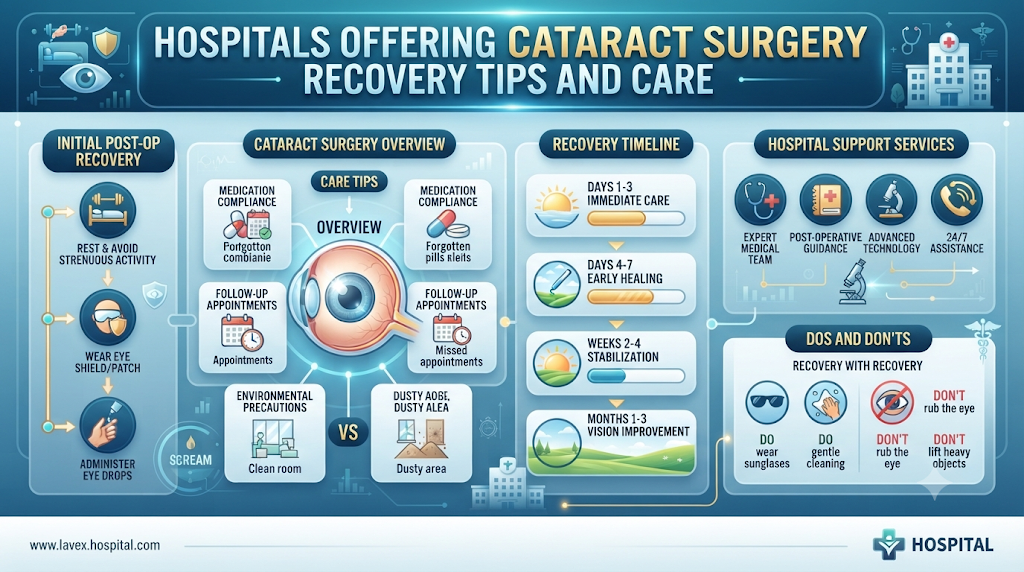
Recovery care is an important part of the treatment process. Patients need clear instructions about eye drops, eye protection, daily activities, and follow-up visits. Hospitals help patients understand these steps before they return home.
Recovery can differ from person to person. It depends on eye health, the type of surgery, and other medical needs. The surgeon’s instructions should always come first. BESTEYEHOSPITALS can be explored as a resource for eye hospital information.
Understanding Recovery After Cataract Surgery
Cataracts develop when the natural lens inside the eye becomes cloudy. This can make vision look blurred, dull, or unclear. Cataract surgery removes this cloudy lens and replaces it with an artificial lens.
After surgery, the eye needs time to heal. Some patients may notice blurred vision, mild discomfort, watering, or light sensitivity at first. These symptoms can improve as healing continues.
Many patients notice better vision during the early recovery period. However, the speed of improvement varies. Other eye conditions can also affect the final result.
The artificial lens does not prevent every future vision problem. Conditions such as glaucoma or macular disease may still affect sight. Regular eye care remains important after surgery.
Why Hospital Guidance Matters After Cataract Surgery
Hospitals play an important role in recovery support. Before discharge, the eye care team should explain how to protect the operated eye. Patients also need clear instructions about medicines and daily care.
Prescribed eye drops help control inflammation and reduce the risk of infection. Patients must use them according to the surgeon’s schedule. They should not stop or change the medicines without medical advice.
Eye protection is another important part of recovery. Some patients may need a protective shield while sleeping. Others may receive advice about wearing glasses or sunglasses.
Follow-up visits allow doctors to check healing and vision. These visits can help identify problems that need attention. Patients should also receive contact details for urgent concerns.
What to Expect During the First Days After Surgery
The first few days can bring mild changes in the operated eye. Vision may be blurry at first. Some patients may notice watering, light sensitivity, or a gritty feeling.
These symptoms often improve as the eye heals. Patients may also feel tired after the procedure. Resting at home can help them follow the care plan.
The surgeon may advise using a protective eye shield. This can help prevent accidental rubbing or pressure during sleep. Patients should use it for the period advised by their eye care team.
Avoid touching or rubbing the operated eye. Do not put unapproved products or home remedies into it. Follow the hospital’s instructions for cleaning around the eyelids.
Severe pain, sudden vision loss, or worsening symptoms are not normal recovery signs. Seek urgent medical advice if these occur. Do not wait for the next routine appointment.
Essential Cataract Surgery Recovery Tips
Simple daily habits can support recovery. Follow the instructions provided by the surgeon and hospital team.
Use Prescribed Eye Drops
Use the eye drops exactly as prescribed. They may help prevent infection and control swelling or inflammation. Follow the correct dose and timing.
Wash your hands before handling the bottle. Avoid touching the bottle tip to the eye or nearby surfaces. If you miss a dose or feel unsure, ask the hospital team what to do.
Do not use old eye drops or medicines prescribed for someone else. Never change the schedule without medical advice.
Wash Hands Before Eye Care
Clean hands help reduce the risk of infection. Wash your hands with soap and water before using eye drops. Dry them with a clean towel.
Avoid touching the operated eye while handling medicines. Caregivers should also clean their hands before helping with eye drops or eye care.
Protect the Operated Eye
Use an eye shield if the surgeon recommends one. It can protect the eye from accidental contact while sleeping. Wear glasses or sunglasses outdoors if advised.
Avoid activities that may cause dust or dirt to enter the eye. Follow the hospital’s instructions about how long protection is needed.
Avoid Rubbing or Pressing the Eye
Do not rub, press, or poke the operated eye. Pressure may disturb healing and increase the risk of problems.
If the eye feels itchy or gritty, do not scratch it. Contact the eye care team if the feeling is strong or does not improve.
Keep the Eye Clean
Follow the hospital’s instructions for cleaning around the eyelids. Use only the method recommended by the medical team. Do not place soap, creams, or other products inside the eye.
Keep towels and tissues clean. Avoid sharing items used for eye care.
Protect the Eye From Water and Irritants
Avoid direct water, soap, or shampoo entering the operated eye while it heals. Follow the surgeon’s advice about bathing and washing hair.
Dust, smoke, and strong fumes may irritate the eye. Take care in places where these are common. Ask the hospital when normal activities can safely resume.
Attend Follow-Up Visits
Keep every scheduled appointment, even if vision seems better. The doctor checks healing and may review eye pressure and vision.
Follow-up visits also allow the team to review medicines. The surgeon may change the care plan based on examination findings.
Cataract surgery recovery tips and their purpose
| Recovery Tip | What Patients Should Do | Why It Matters |
|---|---|---|
| Eye drops | Use prescribed drops at the correct times | Helps control inflammation and reduce infection risk |
| Hand hygiene | Wash and dry hands before eye care | Reduces the chance of transferring germs |
| Eye protection | Use a shield or glasses when advised | Helps protect the eye from accidental contact |
| Avoiding eye rubbing | Do not rub, press, or poke the operated eye | Helps prevent pressure on the healing eye |
| Keeping the eye clean | Follow the hospital’s gentle cleaning instructions | Helps keep the area around the eye clean |
| Activity limits | Avoid restricted exercise, heavy lifting, and swimming | Reduces risks while the eye heals |
| Follow-up visits | Attend all scheduled eye checks | Helps the doctor monitor healing and identify problems |
Activities to Avoid During Early Recovery
Some activities may need to be limited after cataract surgery. The exact restrictions depend on the procedure and the patient’s health.
Heavy lifting and strenuous exercise may place pressure on the body. The surgeon may advise avoiding them for a period. Ask when it is safe to return to exercise.
Bending or straining may also need care during early recovery. Follow the advice given by the surgical team. Do not assume that every patient has the same restrictions.
Swimming may need to wait until the surgeon gives approval. Water in swimming pools, lakes, or other places may expose the eye to germs. Avoid eye makeup until the doctor says it is safe.
Do not drive until your vision and medical condition are suitable. Your surgeon should confirm when you can return to driving. Arrange transport home after surgery and to early follow-up visits.
Eating Well and Maintaining Daily Health
A balanced diet supports general health during recovery. Include fruits, vegetables, protein foods, and whole grains in daily meals. Drink enough fluids unless your doctor has advised a limit.
Protein foods help the body maintain and repair tissues. Fruits and vegetables provide vitamins and other nutrients. However, no specific food can guarantee faster cataract recovery.
People with diabetes should continue to manage their blood sugar with medical guidance. Other health conditions may also need attention during recovery.
Do not start supplements or special eye products without asking your doctor. Healthy eating supports general well-being, but it does not replace prescribed eye treatment.
Follow-Up Care Provided by Eye Hospitals
Follow-up care helps doctors check whether the eye is healing as expected. The hospital may arrange an examination soon after surgery and further visits when needed.
During an eye check, the doctor may review vision and examine the operated eye. They may also measure eye pressure. These checks help the team assess healing and identify concerns.
The doctor may ask about pain, redness, watering, or changes in vision. They may review how the patient is using eye drops. If needed, the treatment plan can be changed.
Patients should attend every appointment recommended by the surgeon. They should also keep the hospital’s contact number nearby. This makes it easier to seek advice if a new problem develops.
Warning Signs That Need Medical Attention
Some mild discomfort and temporary blurred vision can occur during recovery. However, certain symptoms may signal a serious problem. Patients should know when to seek help.
Contact the eye surgeon or seek urgent eye care if you notice:
- Sudden decrease or loss of vision.
- Severe or worsening eye pain.
- Increasing redness or swelling.
- New flashes of light or a sudden increase in floaters.
- A dark shadow or curtain-like area in your vision.
- Increasing discharge or symptoms that keep getting worse.
Do not wait for a routine appointment if these signs appear. Prompt assessment is important. The hospital team can decide what examination or treatment is needed.
Warning signs after cataract surgery and recommended action
| Warning Sign | What Patients Should Do | Why Prompt Care Matters |
|---|---|---|
| Sudden vision loss | Seek urgent eye care immediately | May indicate a serious problem affecting sight |
| Severe pain | Contact the surgeon or seek urgent care | Strong or worsening pain needs prompt assessment |
| Increasing redness | Contact the eye care team promptly | May be linked to inflammation or infection |
| New flashes or floaters | Seek urgent eye assessment | May signal a problem involving the retina |
| Dark shadows | Seek urgent eye care immediately | A curtain-like shadow may indicate retinal trouble |
| Worsening symptoms | Contact the surgeon without delay | A change for the worse needs professional review |
How Long Does Cataract Surgery Recovery Take?
Recovery time varies between patients. Some people notice better vision during the first few days. Others may need more time before their sight becomes clear and steady.
Healing can continue over several weeks. The eye may need time to settle after the procedure. The surgeon will decide when the patient can return to normal activities.
Some patients may need new glasses after their vision becomes stable. The timing depends on the eye and the doctor’s assessment.
Other conditions can affect the final result. Dry eye, glaucoma, or problems with the retina may change how well a person sees after surgery. Do not compare your recovery with another patient’s experience.
How to Choose a Hospital for Cataract Surgery and Recovery Care
Choosing an eye hospital involves more than checking the surgery service. Patients should also consider the support available after the procedure.
Look for qualified ophthalmologists and cataract surgeons. Ask about their relevant training and experience. The hospital should also have suitable facilities for eye examinations and diagnostic tests.
Clear discharge instructions are important. Patients should receive guidance about eye drops, eye protection, and activity limits. Written instructions can help patients and caregivers follow the care plan at home.
Check whether the hospital schedules post-surgery appointments. Ask how patients can reach the eye care team if urgent symptoms appear. Access to timely advice is an important part of aftercare.
Patients with diabetes or other eye conditions may need extra support. Ask how the hospital manages these needs. Clear communication helps patients understand their care.
Do not rely only on advertisements or promotional claims. Compare the surgeon’s qualifications, follow-up arrangements, and patient support before making a decision.
Tips for Family Members and Caregivers
Family members can help patients follow their recovery plan. This support may be especially useful for older adults or people who live alone.
Help the patient understand the eye drop schedule. Use a written list or reminder if needed. Make sure the patient follows the instructions given by the hospital.
Arrange transport for follow-up visits. Patients should not drive until their doctor says it is safe. Help keep the home free from obstacles that may cause trips or falls.
Remind the patient not to rub or press the operated eye. Help them avoid activities that the surgeon has restricted.
Encourage the patient to report new pain or vision changes. Do not dismiss symptoms as normal healing. Contact the hospital if warning signs appear.
Frequently Asked Questions
1. How long does it take to recover after cataract surgery?
Many patients notice improvement during the first few days. However, healing and vision changes can continue for several weeks. Recovery depends on eye health, the procedure, and other conditions. Follow your surgeon’s advice rather than relying on a fixed timeline.
2. Is blurry vision normal after cataract surgery?
Some blurriness can occur during the early recovery period. Vision may improve as the eye heals. However, sudden or worsening blurriness needs prompt medical attention. Contact your surgeon if your vision becomes worse or changes unexpectedly.
3. How should I use eye drops after cataract surgery?
Use the prescribed drops exactly as directed by your surgeon. Wash your hands before handling the bottle and avoid touching its tip to the eye. Follow the correct dose and timing. Ask your hospital team if you miss a dose or are unsure about the instructions.
4. Can I rub my eye after cataract surgery?
No. Avoid rubbing, pressing, or poking the operated eye while it heals. Pressure may disturb the healing process. If your eye feels itchy or uncomfortable, ask your eye care team for advice instead of rubbing it.
5. When can I wash my face or hair after surgery?
The timing depends on your surgeon’s instructions. You may need to prevent water, soap, or shampoo from entering the operated eye during early recovery. Ask the hospital how to wash safely and when you can return to your usual routine.
6. When can I drive after cataract surgery?
Do not drive immediately after surgery. Your vision must be suitable, and your doctor should confirm when it is safe. Arrange transport until you receive clearance. The timing can differ depending on your vision, the operated eye, and local driving rules.
7. Which activities should I avoid during recovery?
Your surgeon may ask you to avoid heavy lifting, strenuous exercise, swimming, and eye makeup for a period. You should also avoid rubbing the operated eye. Restrictions vary, so ask when each activity can safely resume.
8. What symptoms need urgent attention after cataract surgery?
Sudden vision loss, severe pain, increasing redness, new flashes, or a dark shadow need urgent attention. A sudden increase in floaters or worsening symptoms also needs prompt assessment. Contact your eye surgeon or seek urgent eye care rather than waiting for a routine visit.
9. Why are follow-up visits important after cataract surgery?
Follow-up visits help the doctor check vision, eye pressure, and healing. They also allow the team to review medicines and identify possible problems. Attend all appointments, even when your vision seems better. The surgeon may change the care plan after examining your eye.
10. How can hospitals help patients recover after cataract surgery?
Hospitals provide eye drop instructions, protection advice, and guidance about daily activities. They also arrange follow-up checks and explain warning signs. Patients should receive contact details for urgent concerns. Clear support helps patients understand what to do during recovery.
Final Thoughts
Careful aftercare, prescribed eye drops, and follow-up visits support recovery after cataract surgery. Patients should protect the operated eye and follow their surgeon’s instructions. General recovery advice should never replace personal medical guidance.
Seek prompt help if you notice severe pain, sudden vision changes, or worsening symptoms. For information about eye hospitals, explore BESTEYEHOSPITALS.COM. Choose care that provides clear instructions, qualified eye specialists, and suitable follow-up support.