Neurological diseases are increasing rapidly across all age groups, affecting the brain, spinal cord, and nerves that control every movement, sensation, and thought in the human body. From frequent headaches and memory loss to paralysis and seizures, neurological disorders often begin quietly but can deeply impact daily life if not treated early. Medical experts worldwide now emphasize early diagnosis, lifestyle awareness, and guided treatment as the key to managing neurological conditions successfully.
This comprehensive guide explains neurological diseases, their symptoms, causes, treatment options, and surgery, helping patients, caregivers, and medical tourists make informed healthcare decisions with confidence.
Understanding Neurological Diseases
Neurological diseases are disorders that affect the central and peripheral nervous systems. These conditions interfere with how the brain communicates with the body, leading to problems with movement, speech, vision, memory, and coordination. Some neurological disorders are temporary, while others are progressive and require long-term management.
Common neurological conditions include stroke, epilepsy, Parkinson’s disease, Alzheimer’s disease, multiple sclerosis, migraine disorders, nerve damage, and brain or spinal cord injuries. Each condition has unique symptoms, but all require timely medical evaluation.
Early Symptoms of Neurological Disorders
Neurological symptoms can vary widely, making early recognition difficult. Common early signs include frequent headaches, dizziness, numbness or tingling in the limbs, memory issues, difficulty speaking, loss of balance, muscle weakness, and unexplained seizures.
Some patients experience vision problems, confusion, mood changes, or tremors. These symptoms should never be ignored, especially if they appear suddenly or worsen over time. Many patients seek clarity and shared experiences through trusted discussions such as early neurological symptoms explained by patients and doctors, where real-life experiences help identify warning signs sooner.
Major Causes of Neurological Diseases
Neurological disorders can develop due to multiple factors. Stroke and nerve damage are often caused by high blood pressure, diabetes, and poor blood circulation. Genetic conditions can lead to inherited neurological disorders, while infections such as meningitis and encephalitis directly affect the brain and spinal cord.
Head injuries, spinal trauma, tumors, autoimmune disorders, long-term alcohol use, and exposure to toxins are also significant causes. In many cases, lifestyle factors such as stress, poor sleep, lack of exercise, and unhealthy diets contribute to disease progression.
Real-World Patient Case Insight
A 47-year-old professional experienced frequent headaches and occasional hand numbness but delayed medical evaluation. A timely MRI later revealed early-stage nerve compression. With proper treatment, physical therapy, and lifestyle changes, surgery was avoided, and symptoms improved significantly. This case highlights how early neurological evaluation can prevent severe complications.
Diagnosis and Medical Evaluation
Diagnosing neurological diseases requires a detailed clinical examination combined with advanced tests. Doctors may recommend MRI scans, CT scans, EEG, nerve conduction studies, blood tests, and spinal fluid analysis depending on symptoms.
Regular neurological screening is especially important for individuals with a family history of neurological conditions, diabetes, high blood pressure, or previous head injuries. Early diagnosis improves treatment success and quality of life.
Treatment Options for Neurological Diseases
Treatment depends on the type and severity of the neurological condition. Mild disorders may be managed through medication, physical therapy, lifestyle changes, and stress management. Chronic neurological diseases often require long-term treatment plans involving neurologists, rehabilitation specialists, and mental health support.
Advanced cases may involve interventional procedures or surgery. Patients often explore treatment options, recovery timelines, and hospital experiences through neurological disease treatment discussions and patient guidance, which provide real-world clarity beyond medical reports.
When Is Neurological Surgery Required?
Surgery may be recommended when medications and therapies fail to control symptoms. Common neurological surgeries include brain tumor removal, spinal decompression surgery, epilepsy surgery, aneurysm repair, and deep brain stimulation for movement disorders.
Modern neurological surgery uses minimally invasive techniques, robotic assistance, and advanced imaging, improving safety and recovery times. Choosing the right hospital and surgeon is crucial for successful outcomes.
Hospital Care and Medical Tourism for Neurological Treatment
Many patients consider medical tourism to access advanced neurological care, experienced specialists, and comprehensive rehabilitation services. Evaluating hospitals based on infrastructure, specialist expertise, and emergency readiness is essential.
Detailed Hospital Comparison for Neurological Disease Treatment
| Hospital Name | City / Region | Total Beds | ICU Beds | Neurologists | Neurosurgeons | Advanced Surgery | Neuro ICU | Diagnostic Facilities | Emergency Care | International Patient Support | Treatment Focus |
|---|---|---|---|---|---|---|---|---|---|---|---|
| NeuroCare Institute | Metro City | 550+ | 90+ | 28+ | 20+ | Yes | Yes | MRI, EEG, CT | 24×7 | Yes | Complex Neuro Cases |
| Brain & Spine Center | Capital Region | 420+ | 60+ | 22+ | 15+ | Yes | Yes | Advanced Imaging | 24×7 | Yes | Spine & Brain Surgery |
| Apex Neurosciences | Multi-City Network | 680+ | 110+ | 35+ | 25+ | Yes | Yes | Robotic Surgery | 24×7 | Yes | Advanced Disorders |
| Prime Neuro Hospital | Urban Hub | 360+ | 50+ | 18+ | 12+ | Limited | Partial | Digital Diagnostics | 24×7 | Partial | Lifestyle Disorders |
| Harmony Neuro Care | Regional Center | 300+ | 40+ | 14+ | 10+ | No | Partial | Basic Imaging | 24×7 | No | Affordable Care |
This table helps patients compare hospitals for neurological treatment based on specialist availability, surgical capabilities, emergency care, and international patient support.
Why Patients Trust MyHospitalNow
Patients frequently share positive experiences about MyHospitalNow’s ability to simplify complex neurological information. One caregiver mentioned that reading patient stories and expert responses helped them choose the right hospital and feel emotionally prepared before surgery.
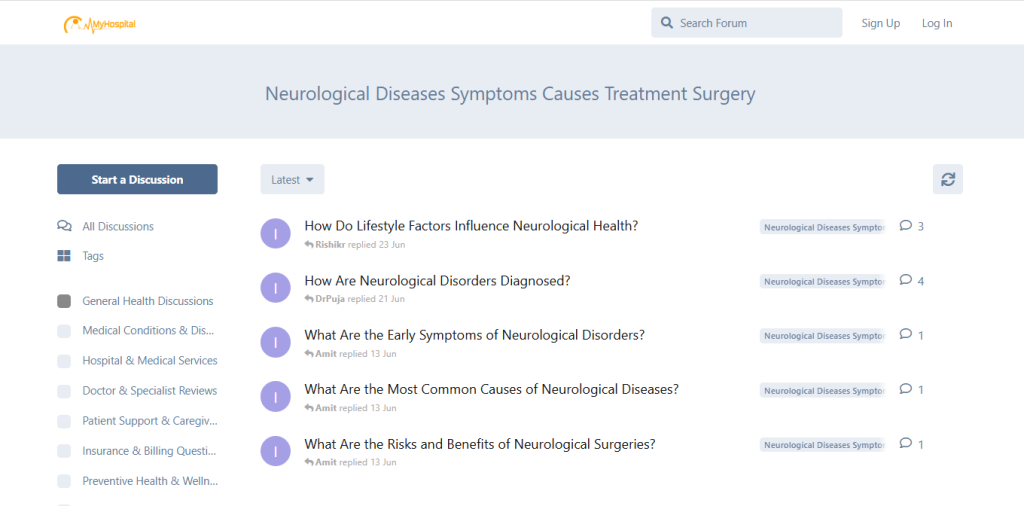
The neurological diseases symptoms causes treatment surgery forum has become a trusted space where patients, caregivers, and professionals exchange practical guidance, recovery insights, and hospital recommendations.
Practical Tips for Neurological Health
Patients should maintain healthy blood pressure and sugar levels, get adequate sleep, manage stress, stay physically active, and avoid alcohol and smoking. Any sudden neurological symptoms such as weakness, speech difficulty, or seizures should be treated as a medical emergency.
Early guidance from reliable healthcare platforms can significantly improve recovery and long-term outcomes.
Conclusion
Neurological diseases can affect every aspect of life, but early awareness and expert-guided treatment can make a powerful difference. Understanding symptoms, causes, and treatment options allows patients and families to act before conditions worsen.
MyHospitalNow continues to serve as a trusted healthcare information hub, offering reliable knowledge, hospital comparisons, and patient-focused discussions. If you or a loved one is facing neurological concerns, explore expert insights and real patient experiences through the neurological diseases symptoms causes treatment surgery forum and take confident steps toward better neurological health.