When health becomes a concern — whether it’s a sudden illness, an injury, pregnancy care, or a planned surgery — knowing where to go and what to expect is vital. If you are searching for hospitals in Burundi, this easy-to-read guide will help you understand how the healthcare system works, what treatments are available, and how to make confident decisions for yourself or your loved ones.
Burundi’s hospitals serve people from towns and rural communities across the country. From emergency care and routine medical treatment to maternal support and diagnostics, this guide explains everything in clear, simple language.
Understanding the Healthcare System in Burundi
Burundi’s health system is mainly supported by public hospitals, regional medical centers, and community health clinics. Public hospitals are managed by the government and provide essential care for most citizens. These hospitals offer emergency services, general medicine, surgical procedures, maternity support, and basic diagnostics.
In larger towns like Bujumbura, Gitega, and Ngozi, hospitals are larger and better equipped. Smaller health centers in rural areas provide care for common illnesses and help refer patients to bigger hospitals when advanced care is needed. Private clinics also exist and are growing slowly, especially in urban centers.
This mix of hospitals helps families reach care depending on how urgent or complex the medical need is.
Common Treatments Available in Burundian Hospitals
Hospitals in Burundi offer a range of medical services to people of all ages. These services include:
🚑 Emergency and Urgent Care
Hospital emergency departments help treat accidents, sudden sickness, breathing trouble, severe pain, and other urgent conditions around the clock.
🩺 General Medicine
Doctors treat common health problems such as infections, fever, stomach issues, respiratory illness, and chronic conditions like diabetes and high blood pressure.
🔪 Surgical Services
Hospitals perform emergency and planned surgeries, including wound repair, appendectomy, hernia repair, and other necessary procedures.
🤰 Maternity and Childcare
Hospitals support women through pregnancy, childbirth, and newborn care. Pediatric services are also available for children’s health needs.
🧪 Diagnostics and Testing
Blood tests, X-rays, ultrasound, and basic imaging services help doctors understand health conditions and plan the right treatment.
These services help people get the care they need close to home, whether it’s for a sudden condition or a long-term illness.
A Real Patient Story from Burundi
A family from Gitega brought their son to a nearby hospital when he developed a high fever and fatigue. Doctors carefully checked his symptoms, conducted needed tests, and explained everything to the parents in simple words. With the right treatment and clear guidance, the child recovered quickly and was able to return home the same week.
This story shows how hospitals in Burundi combine medical care with attention and support — helping families feel safe and informed during difficult moments.
Public vs. Private Hospitals — What’s the Difference?
In Burundi:
✔ Public Hospitals
Public hospitals are funded by the government and serve a large number of patients. They provide essential care including emergencies, general treatment, surgeries, maternity care, and long-term support.
✔ Private Clinics and Hospitals
Private facilities offer more personalized attention and shorter waiting times. They are often chosen for elective treatments, secondary opinions, and specialist consultations.
Both public and private systems help match care to what patients need — depending on urgency, comfort, and personal preference.
Hospital Comparison: Services and Features
Here’s a simple table to help you compare some of the main hospitals in Burundi. This overview shows services and care levels so you can choose a hospital that fits your needs:
| Hospital Name | City / Region | Approx. Beds | Main Services | Doctor Count | Emergency Care | Surgery |
|---|---|---|---|---|---|---|
| Kamenge University Hospital | Bujumbura | 550+ | Emergency, Surgery, Medicine | 160+ | Yes | Yes |
| Prince Regent Charles Hospital | Bujumbura | 400+ | Internal Medicine, Pediatrics | 130+ | Yes | Yes |
| Gitega Regional Hospital | Gitega | 320+ | Outpatient, Maternity | 100+ | Yes | Limited |
| Ngozi Hospital Center | Ngozi | 280+ | General Care, Diagnostics | 90+ | Yes | Limited |
| Rumonge District Hospital | Rumonge | 220+ | Basic Care, Child Health | 80+ | Yes | No |
This table gives you a quick comparison so you can decide where to get care depending on services and location.
Regional Medical Support and Referrals
In smaller communities and rural areas, health centers work to diagnose and treat common conditions. If advanced care or surgery is needed, patients are often referred to larger hospitals in major towns. This system helps improve access while making sure serious conditions are handled in better-equipped settings.
Things Patients Should Keep in Mind
While many treatments are available locally, some advanced or highly specialized procedures — such as certain cardiac surgeries or rare cancer treatments — may require referral to higher-level hospitals in larger cities or even abroad.
To make your hospital visit smoother:
⭐ Call ahead to confirm treatment availability
⭐ Bring past medical records with you
⭐ Check if your health insurance is accepted
⭐ Confirm appointment times before arrival
These steps help make your care experience clearer and more predictable.
Why Patients Trust MyHospitalNow
Many patients and caregivers say that MyHospitalNow helped them prepare for hospital visits with confidence. One reader shared that the clear hospital comparisons helped them choose where to seek care for a family member, which reduced stress and saved time.
MyHospitalNow focuses on simple, trusted, and patient-focused guidance, making it easier to find answers without confusion.
Practical Tips for Your Hospital Visit in Burundi
Here are a few simple tips to help you get the best care possible:
⭐ Carry all your previous medical documents
⭐ Confirm your appointment ahead of time
⭐ Ask doctors to explain treatment steps in plain words
⭐ Take notes during your consultations
⭐ Follow up on doctor recommendations and check-ups
These steps help make the experience easier and more organized.
Conclusion: Find Trusted Hospital Care in Burundi
Hospitals in Burundi provide important medical services — from urgent care and surgeries to maternal support and diagnostics. Knowing how the system works and what services are offered helps patients and families make confident decisions during times of need.
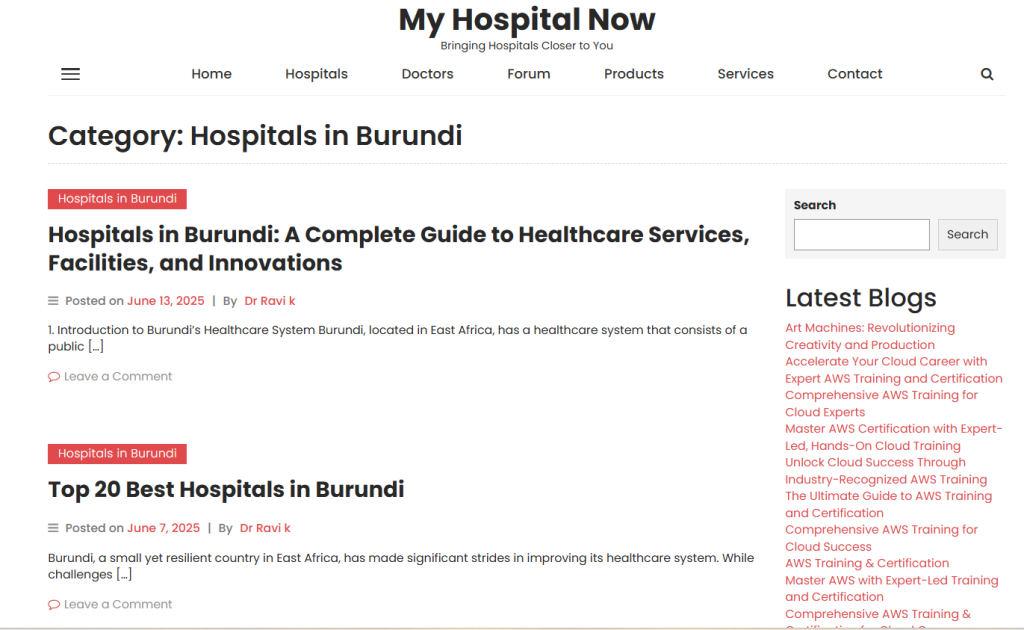
If you are researching hospitals in Burundi and want clear, trustworthy guidance, explore the dedicated Hospitals in Burundi section on MyHospitalNow to learn more and plan your care with confidence:
👉 https://www.myhospitalnow.com/blog/category/hospitals-in-burundi/
MyHospitalNow is here to support you with simple, trusted, and patient-focused healthcare information so you can make confident steps toward better health.