Healthy vision plays an important role in a child’s growth. Children use their eyes to read, learn, play, and explore the world. Clear vision also helps with movement, coordination, and daily tasks.
Some childhood eye problems are hard to notice. A child may not know that their vision is blurry. They may also struggle to explain what they see. Parents might notice changes in reading, schoolwork, or everyday behavior instead.
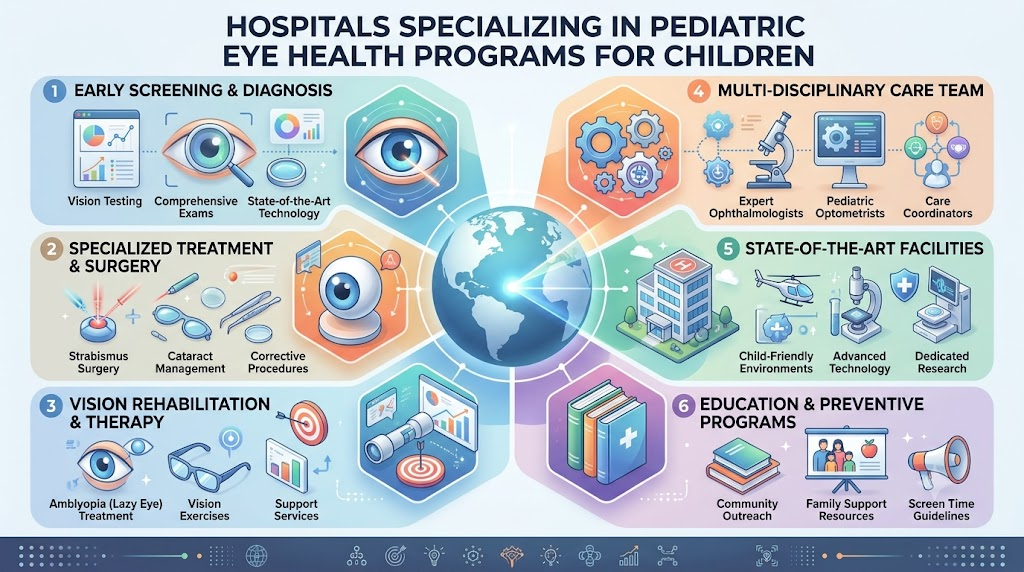
Hospitals specializing in pediatric eye health programs can help families find suitable checks, diagnosis, treatment, and follow-up care. The services available depend on the child’s age, symptoms, and medical needs.
BESTEYEHOSPITALS can be a starting point when learning about children’s eye care. Before choosing a hospital, confirm its services, staff qualifications, and treatment options directly with the provider.
What Are Pediatric Eye Health Programs?
Pediatric eye health programs focus on the vision and eye health of babies, children, and teenagers. They help identify eye problems and guide families toward suitable care.
Some hospitals have special children’s eye clinics. Others provide pediatric eye services within a larger eye department.
These programs may include:
- Vision checks and full eye examinations.
- Checks on how a child’s eyes are developing.
- Tests for common vision problems.
- Medical treatment for selected eye conditions.
- Referrals to specialists when needed.
- Advice for parents and regular follow-up visits.
A vision screening is a quick check for possible problems. It does not replace a full eye examination. If a child does not pass a screening, they may need further testing.
Parents should also arrange an eye assessment if they notice symptoms. A normal screening result does not rule out every eye condition.
Why Is Pediatric Eye Care Important?
Good vision helps children take part in school and daily life. It supports reading, writing, sports, and play. When a child cannot see clearly, some tasks may become harder.
Children may not always notice a vision problem. They might think everyone sees the same way. Some conditions affect only one eye, so the child may not report a clear change.
Early assessment can help identify problems that need care. In some conditions, timely treatment supports normal visual development. Other conditions need long-term checks to watch for changes.
Early care cannot prevent or cure every eye condition. Results depend on the cause, the child’s age, and the effect on vision. A qualified eye care professional can explain what treatment may achieve.
Common Eye Conditions Treated in Children’s Eye Programs
Children’s eye services may assess many conditions. The exact services vary between hospitals, so parents should check whether a center treats their child’s specific concern.
Refractive Errors
Refractive errors occur when the eye does not focus light clearly. Common types include nearsightedness, farsightedness, and astigmatism.
A child may struggle to see the board, read comfortably, or focus on nearby objects. An eye examination can show whether glasses may help. The right care depends on the child’s vision and needs.
Amblyopia or Lazy Eye
Amblyopia happens when vision in one eye, or sometimes both eyes, does not develop normally. The brain may rely more on one eye than the other.
A child may not show obvious signs. Treatment can include glasses, an eye patch, prescribed eye drops, or other methods. A specialist chooses the plan based on the child’s condition.
Strabismus or Squint
Strabismus means the eyes do not point in the same direction. One eye may turn inward, outward, upward, or downward.
The eyes may not always appear misaligned. Treatment depends on the cause and may include glasses, selected therapies, or surgery. A specialist can assess how the condition affects vision.
Childhood Cataracts
A cataract is a cloudy area in the eye’s natural lens. It can reduce clear vision. Some children are born with cataracts, while others develop them later.
A specialist needs to assess childhood cataracts. Some require surgery or other care to support visual development. The timing depends on how much the cataract affects sight.
Pediatric Glaucoma
Childhood glaucoma is a serious eye condition that can damage the optic nerve. It may involve high pressure inside the eye or problems with how fluid drains.
Signs can vary by age and condition. Some children need long-term monitoring, medicines, or surgery. Specialist care is important to protect vision where possible.
Eye Infections and Allergies
Children may develop red, itchy, watery, or irritated eyes. These symptoms can result from allergies, infections, or other causes.
The right treatment depends on the cause. Parents should not use leftover medicines or unprescribed eye drops. A clinician can advise what care is suitable.
Retinopathy of Prematurity
Some babies born early are at risk of retinopathy of prematurity. This condition affects the blood vessels in the retina, which is the light-sensitive tissue at the back of the eye.
Eligible premature babies need retinal screening at the time advised by their care team. The condition may not show clear signs that parents can see. Timely screening helps specialists identify babies who need follow-up or treatment.
Eye Injuries and Conditions Present at Birth
Children may also have eye problems from birth or develop injuries during play and other activities. These may affect the eyelids, cornea, retina, or optic nerve.
A hospital may need to refer the child to a specialist service. Parents should ask whether the center can assess the specific condition and provide the required care.
What Services Do Pediatric Eye Health Programs Offer?
Children’s eye programs may offer different tests and treatments. The care team chooses them based on the child’s age, symptoms, and health needs.
Common services include:
- Vision testing: Checks how clearly a child can see using letters, pictures, or symbols.
- Eye movement checks: Assess how the eyes move and work together.
- Refraction testing: Checks whether glasses may improve vision.
- Eye pressure checks: Measure pressure inside the eye when needed.
- Eye examinations: Check the front and back of the eye.
- Retinal screening: Checks the retina of eligible premature babies.
- Glasses and vision support: Helps children receive and use prescribed glasses.
- Medical treatment: Provides care for certain eye conditions.
- Eye surgery: May be offered for conditions that need an operation.
- Follow-up visits: Track changes and check whether treatment is working.
Some children need eye drops to widen their pupils. This helps the specialist see parts of the eye more clearly. These drops may cause temporary blurred vision or light sensitivity.
Not every child needs every test. Parents can ask what each test checks and why it is needed.
Which Specialists May Be Involved?
A pediatric eye health program may involve several professionals. Their roles depend on the child’s condition and the services available at the hospital.
Pediatric Ophthalmologist
A pediatric ophthalmologist is a medical doctor who specialises in children’s eye health. They diagnose eye conditions and may provide medical treatment or surgery.
They can assess problems such as squint, childhood cataracts, and other complex eye conditions. Parents should check that the specialist’s training and experience match their child’s needs.
Optometrist
An optometrist checks vision and assesses certain eye health concerns. They may prescribe glasses and provide other care within their professional scope and local rules.
They can help identify vision problems and advise when a child needs further specialist assessment.
Orthoptist
An orthoptist assesses eye alignment, eye movement, and how the eyes work together. They may help assess conditions such as squint and some related vision problems.
Pediatrician
A pediatrician looks after a child’s general health. They may help coordinate care when an eye problem is linked to another health concern.
Nurses and Other Eye Care Staff
Nurses and trained eye care staff may help with tests, treatment instructions, and follow-up visits. They may also help parents understand how to support care at home.
The right team depends on the child’s condition. Parents should ask who will assess the child and who will manage treatment.
How to Choose a Hospital for Pediatric Eye Care
Choosing a hospital involves more than checking its name or reputation. Families should look for care that matches the child’s needs.
Check Specialist Experience
Ask whether the hospital has professionals who regularly treat children. If your child has a known condition, ask about experience with that specific problem.
Also check the specialist’s qualifications and registration where required. A clear answer can help you understand who will provide the care.
Check Available Services
Not every hospital offers the same tests or treatments. Some provide routine eye checks, while others also manage complex conditions or perform eye surgery.
Ask whether the hospital can provide the care your child may need. If not, find out how referrals to another specialist center are arranged.
Look for Child-Friendly Care
Young children may find eye tests unfamiliar or worrying. Staff should explain the process in simple words and use methods suited to the child’s age.
A supportive environment can help children feel more comfortable. Parents should be able to ask questions and share concerns without feeling rushed.
Ask About Tests and Equipment
The hospital should have access to the tests needed for your child’s assessment. Ask why each test is needed and how the results will guide care.
Some tests may require special equipment or trained staff. The provider should explain any preparation your child needs before the appointment.
Understand Treatment and Follow-Up
Ask who will explain the results and discuss treatment options. Find out how often follow-up visits may be needed and whom to contact if symptoms change.
If surgery or specialist care may be required, ask whether the hospital provides it or refers children elsewhere. Clear plans help families understand the next steps.
Compare Access and Costs
Consider travel distance, appointment availability, and the expected cost of care. Ask what the consultation fee includes and whether extra tests or visits may cost more.
A large or well-known hospital is not always the best fit for every child. The most suitable choice is the provider with the right expertise, services, and support for that child’s needs.
The following table summarises the key features parents can compare when choosing a provider.
| Selection factor | What parents should ask | Why it matters |
|---|---|---|
| Specialist expertise | Does the team treat children with this condition? | Helps match care to the child’s needs |
| Diagnostic services | Are the required tests available? | Supports suitable assessment |
| Child-friendly care | Are examinations adapted to the child’s age? | May help children feel more comfortable |
| Treatment options | Can the hospital provide or refer for suitable care? | Helps families understand available choices |
| Follow-up | How are progress and changes monitored? | Supports ongoing care |
| Costs and access | What fees and appointment options apply? | Helps families plan care |
The main takeaway is to choose based on your child’s needs, not reputation alone. Confirm the services and qualifications directly with the hospital.
What Happens During a Child’s First Eye Appointment?
A first appointment helps the care team understand the child’s vision and eye health. The exact steps depend on the child’s age and reason for the visit.
A typical visit may include:
- Health history: The team asks about symptoms, medicines, past eye problems, and family eye health.
- Daily activities: They may ask about reading, schoolwork, screens, and other activities.
- Vision testing: The child reads or identifies letters, pictures, or symbols suited to their age.
- Eye alignment checks: The team checks how the eyes move and work together.
- Eye examination: The specialist examines the eyes for signs of a problem.
- Extra tests: Eye drops or other tests may be used when needed.
- Next steps: The team explains the findings and discusses treatment or follow-up.
Some children finish their assessment in one visit. Others may need extra tests or another appointment. Parents can bring the child’s glasses, past reports, current medicines, and referral details if available.
You can also tell the team if your child feels worried. Simple explanations and breaks may help the child take part in the examination.
Preventive Eye Care and Routine Vision Checks
Routine checks can help identify vision concerns, but every child may not need the same tests at the same time. The right schedule depends on age, symptoms, risk factors, and local guidance.
Newborns may receive eye checks as part of early health care. Children may also have vision screening during health visits or at school. If a screening suggests a problem, a full eye examination may be needed.
Children with known eye conditions may need more frequent follow-up. A specialist will advise how often to return and what to watch for.
Parents should arrange an assessment if they notice changes in vision or eye behavior. Do not rely only on an earlier screening result if concerns develop later.
Warning Signs Parents Should Not Ignore
Children may show signs of eye or vision problems through their actions. They may not always say that something looks unclear.
Watch for signs such as:
- Frequent squinting or closing one eye.
- Holding books or screens very close.
- Sitting unusually close to the television.
- Tilting the head to see more clearly.
- Trouble reading or seeing objects at a distance.
- Eyes that appear to point in different directions.
- Repeated eye rubbing or ongoing discomfort.
- Unusual sensitivity to light.
- Persistent redness or discharge.
- A white or unusual reflection in the pupil.
These signs do not confirm a particular condition. They do suggest that an eye assessment may be helpful.
Seek urgent medical care for sudden vision loss, a serious eye injury, severe eye pain, or a painful red eye with changes in vision. Do not wait for a routine appointment if a serious symptom develops.
Parents should avoid trying home remedies or using unprescribed eye drops. These may delay suitable care or make some problems worse.
How Hospitals Support Children With Long-Term Eye Conditions
Some childhood eye conditions need care over many months or years. Regular visits help the care team track changes as the child grows.
A hospital may support families by:
- Checking vision at suitable intervals.
- Reviewing glasses and other treatment.
- Adjusting the care plan when needed.
- Explaining how to follow treatment instructions.
- Coordinating with other health professionals when appropriate.
- Arranging specialist reviews for complex conditions.
Follow-up needs vary from child to child. Some children need only occasional checks, while others need more frequent visits.
Parents should ask what changes to watch for at home. They should also know when to contact the hospital before the next planned visit.
Supporting Your Child’s Eye Health at Home
Parents can help children build habits that support eye health. These habits do not replace eye examinations or prescribed treatment.
Encourage Children to Speak Up
Tell your child to report blurry vision, pain, redness, or other changes. Young children may need simple questions to help describe what they feel.
Pay attention if your child starts squinting, avoids reading, or struggles with tasks they once managed easily. Arrange an eye assessment if you notice a concern.
Follow Treatment Instructions
Help your child wear prescribed glasses as advised. If they use eye drops or other treatment, follow the care team’s instructions.
Do not stop or change treatment without speaking to the provider. Ask for help if your child finds the treatment difficult to follow.
Build Healthy Daily Habits
Encourage outdoor play, regular breaks during long periods of close-up work, and a balanced daily routine. These habits support general well-being, but they do not prevent every eye condition.
Keep sharp objects and harmful chemicals away from children. Use suitable eye protection for activities that may cause injury.
Avoid Unproven Home Remedies
Do not put household products or unapproved remedies into a child’s eyes. Avoid using another person’s eye drops or leftover medicines.
If symptoms continue or become worse, contact a healthcare professional. Early advice can help you understand the cause and the right next step.
Frequently Asked Questions
1. What is a pediatric eye health program?
A pediatric eye health program provides eye checks and care for babies, children, and teenagers. Services may include vision tests, diagnosis, treatment, and follow-up. Some programs also manage complex eye conditions. Available services vary by hospital, so parents should check whether a center can meet their child’s specific needs.
2. When should a child have their first eye examination?
The timing depends on the child’s age, health, symptoms, and risk factors. Babies receive eye checks as part of early health care, while vision screening may happen later. Parents should arrange an assessment whenever concerns arise. A healthcare professional can advise whether a full eye examination is needed.
3. What conditions do pediatric eye hospitals treat?
Depending on their services, pediatric eye hospitals may assess refractive errors, amblyopia, squint, childhood cataracts, glaucoma, infections, and eye injuries. Some centers also screen eligible premature babies for retinal problems. Not every hospital treats every condition. Ask whether the center has the right specialist for your child’s needs.
4. How do I choose a hospital for my child’s eye care?
Check the team’s qualifications, experience with children, available tests, and treatment options. Ask about follow-up visits, urgent care arrangements, appointment access, and costs. Choose a provider who explains the findings clearly and welcomes questions. Confirm the services directly rather than relying on reputation alone.
5. What is the difference between an optometrist and a pediatric ophthalmologist?
An optometrist checks vision and eye health and may prescribe glasses within their professional scope. A pediatric ophthalmologist is a medical doctor who specialises in children’s eye conditions and may provide medical treatment or surgery. Depending on the problem, a child may need one professional or both.
6. Can children have eye problems without clear symptoms?
Yes. Some children do not realise their vision is unclear, while others may have a problem that affects only one eye. They may not complain or notice a change. Routine checks and timely assessments can help identify concerns. Parents should seek advice if they notice unusual eye behavior.
7. Do all children need routine eye screening?
Children should receive age-appropriate eye checks based on local guidance and their health needs. However, the type and timing of screening may differ. Some children need more detailed examinations because of symptoms or risk factors. Passing a screening does not rule out every eye problem.
8. What happens during a pediatric eye examination?
The professional may ask about symptoms and health history, test vision, check eye movement, and examine the eyes. Some children need eye drops or extra tests. The exact process depends on age and symptoms. At the end, the provider explains the findings and any recommended treatment or follow-up.
9. When should parents seek urgent eye care for a child?
Sudden vision loss, serious eye injuries, severe eye pain, or a painful red eye with vision changes need urgent medical assessment. Do not wait for a routine appointment if these symptoms appear. For less urgent concerns, contact an eye care professional to find out how soon your child should be examined.
10. How can parents support their child’s vision at home?
Help your child use prescribed glasses and follow any treatment instructions. Encourage them to report vision changes and attend follow-up visits. Support outdoor play and breaks during prolonged close-up activities. Keep harmful chemicals and sharp objects away from their eyes, and avoid unprescribed drops or home remedies.
Conclusion
Finding suitable eye care starts with understanding your child’s needs. Look for a hospital with relevant specialists, age-appropriate tests, clear explanations, and reliable follow-up support.
Pediatric eye health programs can help identify vision concerns and guide families toward suitable care. However, services and treatment options differ between hospitals.
Ask questions, confirm qualifications, and understand the proposed plan before making decisions. If your child has worrying symptoms, arrange an assessment rather than waiting for the next routine check.