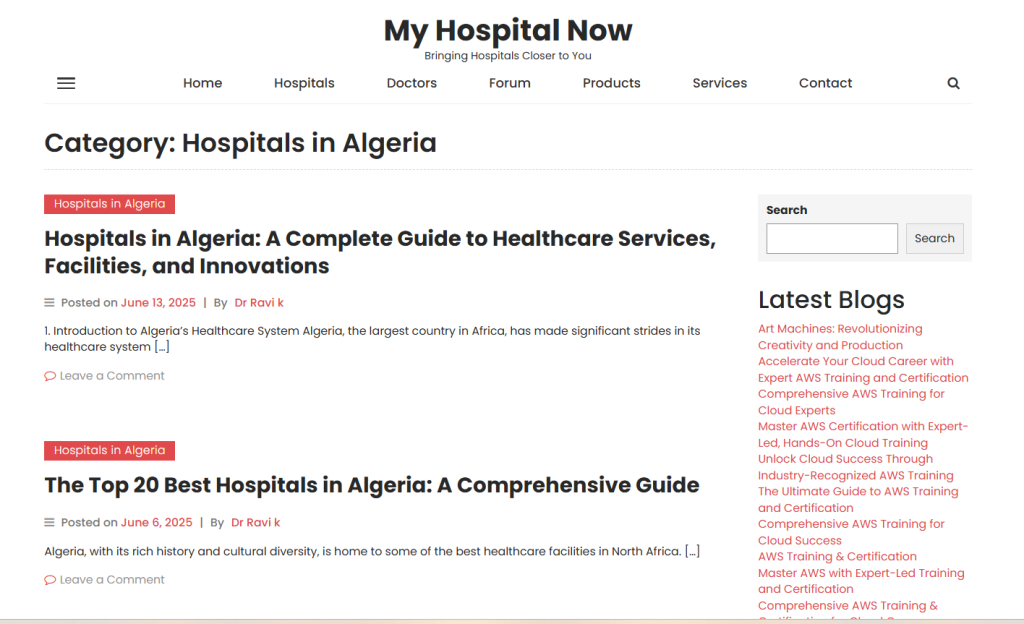
Algeria is one of the largest countries in Africa and plays a crucial role in healthcare delivery across North Africa. In recent years, hospitals in Algeria have gained attention due to expanding medical infrastructure, government investment in public hospitals, and the growth of modern private healthcare facilities. Patients, caregivers, and healthcare professionals are increasingly researching hospitals in Algeria to understand treatment availability, hospital capacity, and care standards.
This comprehensive guide explores hospitals in Algeria, the treatments they offer, how the healthcare system works, and how patients can make informed decisions with confidence.
Overview of the Healthcare System in Algeria
Algeria operates a mixed healthcare system that includes public hospitals, university teaching hospitals, regional medical centers, and private clinics. Public hospitals form the backbone of healthcare delivery, providing emergency services, general medicine, surgery, maternal care, and infectious disease treatment at subsidized or no cost for citizens.
Private hospitals and clinics are growing rapidly, especially in major cities such as Algiers, Oran, Constantine, Annaba, and Blida. These facilities focus on faster access, advanced diagnostics, elective surgeries, and patient-centered care. When researching hospitals in Algeria, patients often compare public and private facilities based on urgency, comfort, and specialization.
Common Treatments Available in Hospitals in Algeria
Hospitals in Algeria provide a wide range of medical services across major specialties. Emergency departments handle trauma, road accidents, and critical medical conditions. Internal medicine departments manage diabetes, hypertension, heart disease, respiratory illnesses, and gastrointestinal disorders.
Surgical services include general surgery, orthopedic procedures, gynecology, urology, and trauma surgery. Many hospitals also provide maternity and neonatal care, pediatrics, and vaccination programs. Diagnostic services such as laboratory testing, ultrasound, X-ray, CT scans, and MRI are commonly available in urban hospitals.
Patients researching hospitals in Algeria often seek clarity on surgical capability, emergency readiness, and access to experienced doctors.
Real-World Patient Case Insight
A 62-year-old patient from a coastal city experienced chest pain and breathing difficulty. He was admitted to a regional public hospital where doctors quickly diagnosed a cardiac condition and provided emergency treatment. After stabilization, the patient was referred to a specialized center for further care. Timely diagnosis and coordinated hospital care prevented severe complications, highlighting the importance of knowing which hospitals offer emergency and referral services.
This type of experience reflects how hospitals in Algeria continue to deliver life-saving care across the country.
Public and Private Hospitals in Algeria
Public hospitals play a vital role in population-wide healthcare, emergency response, and infectious disease management. These hospitals are often busy but remain essential for critical care and complex cases.
Private hospitals offer shorter waiting times, modern infrastructure, private rooms, and advanced diagnostic services. Many patients choose private hospitals for elective surgeries, diagnostic procedures, and follow-up care. Understanding this distinction helps patients choose the most suitable option based on their medical needs.
Hospital Comparison in Algeria
Below is a general hospital comparison table designed to help patients understand the typical capabilities of major hospitals in Algeria. This table is illustrative and intended for guidance purposes.
| Hospital Name | City / Region | Total Beds | Key Specializations | Doctor Count | Emergency Care | Surgical Services |
|---|---|---|---|---|---|---|
| Mustapha Pacha University Hospital | Algiers | 800+ | Emergency, Cardiology, Surgery | 220+ | 24×7 | Yes |
| Bab El Oued Hospital | Algiers | 600+ | Internal Medicine, Trauma | 160+ | 24×7 | Yes |
| Oran University Hospital | Oran | 500+ | Orthopedics, Pediatrics | 140+ | 24×7 | Yes |
| Constantine Regional Hospital | Constantine | 450+ | General Surgery, Diagnostics | 120+ | 24×7 | Yes |
| Annaba Medical Center | Annaba | 380+ | Maternity, Internal Medicine | 90+ | Limited | Yes |
This comparison supports patients in evaluating hospitals based on capacity, specialization, staffing, and emergency readiness.
Medical Tourism and Cross-Border Care
Algeria is gradually being considered for regional medical travel, particularly for patients from neighboring countries seeking affordable treatment for general surgery, diagnostics, and chronic disease management. While advanced treatments such as organ transplants or highly specialized oncology care may still require referral abroad, hospitals in Algeria handle a large volume of essential and emergency care effectively.
Healthcare professionals researching hospitals in Algeria often focus on referral systems, regional hospital strengths, and service expansion trends.
Challenges Faced by Hospitals in Algeria
Hospitals in Algeria face challenges such as high patient volume, resource constraints in rural areas, and uneven distribution of specialists. Access to advanced treatments is more concentrated in major cities, making travel necessary for some patients.
Despite these challenges, continuous investment in training, infrastructure, and digital health systems is improving care delivery across the country.
Why Patients Trust MyHospitalNow
Patients and caregivers frequently share that MyHospitalNow helps them understand healthcare options clearly and without confusion. One user mentioned that the platform helped them compare hospitals, understand treatment availability, and prepare questions before visiting a hospital, which reduced anxiety during a stressful time.
By presenting structured information and patient-friendly guidance, MyHospitalNow positions itself as a trusted healthcare information hub for global and regional audiences.
Practical Tips for Patients Seeking Care in Algeria
Patients should seek medical care early, especially for emergencies, heart conditions, infections, and pregnancy-related issues. Carrying medical records, understanding hospital referral pathways, and following doctor instructions are essential for effective treatment.
For planned procedures, contacting hospitals in advance helps confirm service availability and reduces delays.
Conclusion: Make Confident Healthcare Decisions with the Right Information
Hospitals in Algeria continue to play a vital role in delivering essential medical care across North Africa. Understanding hospital capabilities, available treatments, and care standards helps patients and caregivers make better healthcare decisions. Early diagnosis, timely treatment, and informed choices can significantly improve outcomes.
If you are researching hospitals in Algeria, comparing treatment options, or seeking reliable guidance, explore the dedicated Hospitals in Algeria resources on MyHospitalNow to gain clear, structured, and patient-focused insights:
👉 https://www.myhospitalnow.com/blog/category/hospitals-in-algeria/
MyHospitalNow remains committed to guiding patients, caregivers, and professionals with trustworthy healthcare information—helping you navigate medical decisions with confidence and clarity.