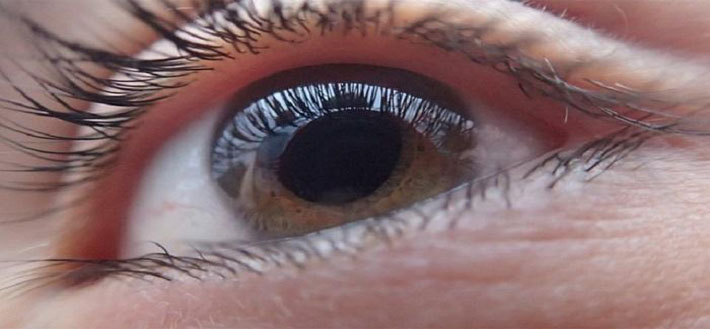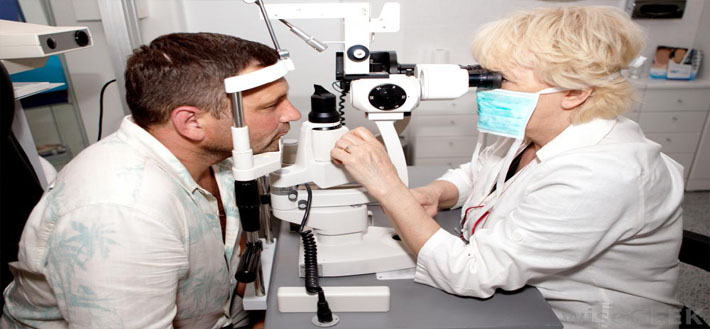
Ocular Histoplasmosis Syndrome is an uncommon eye complication from lung histoplasmosis. Ocular Histoplasmosis Syndrome (OHS) is the leading cause of blindness in ages twenty to forty. Histoplasmosis is a disease caused when airborne spores of the fungus Histoplasma capsulatum are inhaled into the lungs, the primary infection site which can later cause a serious eye disease called ocular histoplasmosis syndrome (OHS), a leading cause of vision loss in Americans ages 20 to 40.Ocular Histoplasmosis Syndrome
OHS develops when fragile, abnormal blood vessels grow underneath the retina. These abnormal blood vessels form a lesion known as choroidal neovascularization (CNV). If left untreated, the CNV lesion can turn into scar tissue and replace the normal retinal tissue in the macula.
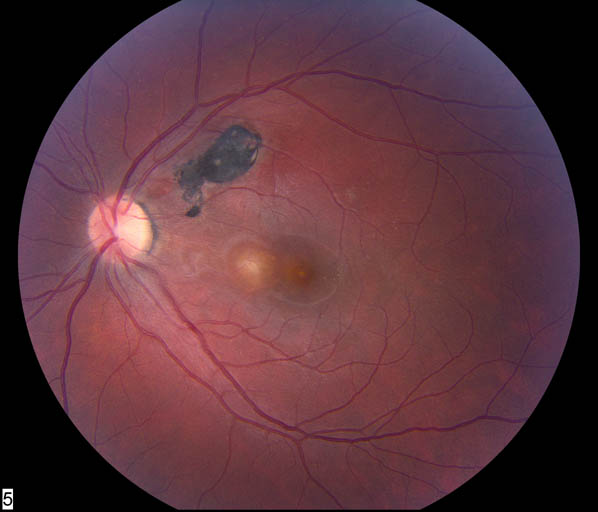
The initial infection subsides leaving tiny scars called "histo spots," which remain at the infection sites. Histo spots do not generally affect vision, but they can result in complications years or even decades after the original eye infection. The only proven treatment is a form of laser surgery called photocoagulation. Laser surgery will not restore vision that has already been lost, but will help prevent further loss. OHS cannot be cured. Since OHS rarely affects side, or peripheral vision, the disease does not cause total blindness.









About Eye
Eye Diseases
Vision problems
Find Cost
Surgeries & Treatments
Best Eye Hospitals
Testimonials
Get Free Quotes
Top Hospitals In India
Top Hospitals In Turkey
Top Hospitals In Mexico
Top Hospitals In Costa Rica
Top Hospitals In Singapore
Top Hospitals In UAE
Top Hospitals In Australia
Top Hospitals In Malaysia
Top Hospitals In Thailand
Top Hospitals In Phillipines