Introduction
Healthy vision plays a fundamental role in a child’s early development, learning, and daily exploration of the world. From recognizing familiar faces to reading in the classroom, clear sight shapes how children interact with their surroundings. When a vision concern or eye condition arises, parents naturally feel a deep sense of worry and want to ensure their child receives the highest standard of specialized medical attention.Choosing an appropriate healthcare facility ensures that young patients receive compassionate, precise, and comprehensive care from diagnosis through recovery. To help families navigate these decisions, platforms like BESTEYEHOSPITALS offer educational resources designed to guide healthcare seekers toward informed choices. This guide will explore what pediatric eye surgery entails, common conditions, hospital selection criteria, and how families can support their child’s long-term vision health.
Understanding Pediatric Eye Surgery
What Is Pediatric Eye Surgery?
Pediatric eye surgery encompasses a variety of specialized surgical procedures performed on infants, children, and adolescents to correct vision-impairing conditions, structural eye abnormalities, or muscular imbalances affecting eye alignment. These procedures range from delicate tear duct openings and cataract removals to complex muscle realignments.
Why Children’s Eyes Need Specialized Care
Children are not simply small adults. Their eyes, tear drainage systems, and focusing muscles are actively growing and developing. Furthermore, young children cannot always articulate their visual symptoms or cooperate during clinical examinations in the same way adults do. Treatment planning must account for ongoing visual development, age-appropriate communication, and specialized pediatric anesthetic safety.
The Role of a Pediatric Ophthalmologist
Pediatric ophthalmologists are medical doctors who have completed rigorous training in general ophthalmology followed by specialized fellowships dedicated exclusively to children’s eye disorders. They possess deep expertise in managing pediatric eye diseases, diagnosing complex congenital abnormalities, and performing delicate microsurgeries on developing eyes.
When Is Eye Surgery Considered for Children?
Surgery is never a default first step; it is recommended only when clinically appropriate after a thorough evaluation. A pediatric eye specialist considers the specific condition, its severity, the child’s age, and how the condition impacts ongoing visual development before discussing surgical options with the family.
Common Childhood Eye Conditions That May Require Surgery
Pediatric Cataracts
A cataract is a clouding of the eye’s natural lens. While often associated with older adults, cataracts can also be congenital or develop during childhood, obstructing light from reaching the retina and requiring prompt surgical removal to protect normal vision development.
Strabismus
Strabismus, commonly known as crossed eyes or eye misalignment, occurs when the eyes do not line up in the same direction. When non-surgical treatments like glasses or patching are insufficient, surgery on the extraocular muscles may be performed to align the eyes.
Congenital Eye Conditions
Some children are born with structural variations of the cornea, iris, or drainage angles. Specialized surgical procedures can address these congenital anomalies to preserve or improve visual function.
Tear Duct Disorders
Blocked tear ducts are common in infants, causing persistent watering and discharge. While many resolve on their own, persistent blockages may require a minor surgical probing or intubation procedure to open the drainage pathway.
Retinal Conditions
Certain retinal disorders, such as retinopathy of prematurity or inherited retinal dystrophies, can affect infants and children, requiring specialized surgical interventions by vitreoretinal specialists.
Eye Injuries
Traumatic eye injuries resulting from accidents require urgent surgical repair by pediatric eye specialists to restore structural integrity and protect delicate intraocular tissues.
Eyelid and Orbital Conditions
Conditions such as drooping eyelids that obstruct vision or benign orbital tumors require careful surgical management to protect visual development and facial symmetry.
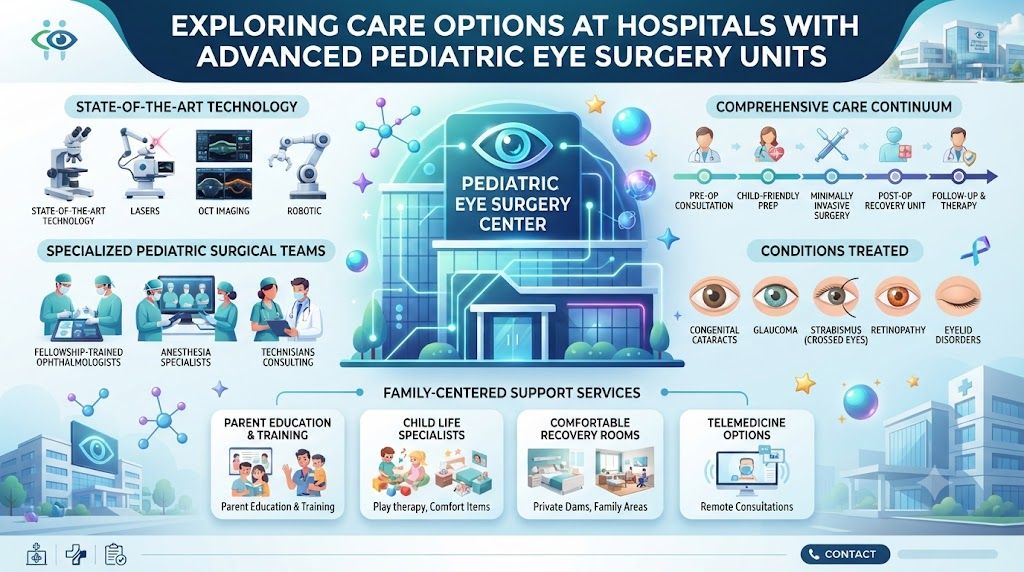
Why Advanced Pediatric Eye Surgery Units Matter
Specialized Pediatric Eye Surgeons
Advanced centers feature board-certified pediatric ophthalmologists who have extensive experience performing delicate microsurgeries on small, developing eyes.
Child-Friendly Diagnostic Facilities
Diagnostic testing areas are designed to reduce anxiety, utilizing colorful environments, patient staff, and specialized equipment tailored for children.
Advanced Imaging Technology
High-resolution imaging tools allow specialists to examine retinal layers, corneal structures, and optic nerves with precision, even in young patients.
Pediatric Anesthesia Support
Safe anesthesia is critical in pediatric surgery. Specialized units work alongside board-certified pediatric anesthesiologists experienced in managing the unique physiological needs of infants and children.
Modern Surgical Equipment
Operating rooms are equipped with high-magnification microscopes, micro-instrumentation, and specialized laser systems designed for delicate pediatric eye anatomy.
Emergency Care Support
Advanced hospitals maintain robust emergency and pediatric intensive care infrastructure to handle any unexpected medical events safely.
Comprehensive Post-Surgical Monitoring
Structured recovery protocols ensure that nurses and doctors closely monitor eye pressure, comfort, and initial healing immediately following surgery.
Long-Term Vision Follow-Up
Dedicated pediatric eye centers provide lifelong vision monitoring to track visual acuity, refraction, and binocular development as the child grows.
Important Features to Look for in Advanced Pediatric Eye Surgery Units
| Feature | Why It Matters | What Parents Should Look For |
| Pediatric Ophthalmology Specialists | Ensures surgical care is led by experts in children’s eye development and anatomy. | Fellowship-trained pediatric ophthalmologists with active board certifications. |
| Child-Friendly Diagnostic Services | Reduces child anxiety and enables accurate clinical examinations. | Specially trained staff, child-friendly waiting areas, and gentle testing techniques. |
| Advanced Eye Imaging | Accurate diagnosis dictates precise surgical planning and intervention strategies. | State-of-the-art pediatric diagnostic equipment, including portable imaging tools. |
| Pediatric Anesthesia Support | Minimizes anesthesia risks and ensures safe monitoring during delicate surgeries. | Dedicated board-certified pediatric anesthesiologists experienced in eye surgery. |
| Specialized Surgical Equipment | Delicate pediatric eye tissues require high-precision micro-instrumentation. | High-resolution surgical microscopes and microsurgical tools sized for children. |
| Pediatric Recovery Facilities | Post-operative care must be comfortable and closely supervised by trained nurses. | Dedicated pediatric recovery suites with nurse monitoring and parent presence. |
| Emergency Medical Support | Essential for managing acute surgical complications or underlying health issues safely. | On-site pediatric emergency departments and multidisciplinary medical backup. |
| Post-Surgery Follow-Up | Early checks catch minor healing complications and ensure comfortable recovery. | Structured follow-up schedules and accessible post-operative care lines. |
| Long-Term Vision Monitoring | Children’s vision changes rapidly, requiring ongoing developmental surveillance. | Comprehensive pediatric vision clinics tracking visual acuity and eye alignment. |
Families should consider specialist expertise, appropriate pediatric facilities, anesthesia support, safety standards, and long-term follow-up rather than choosing a hospital based solely on promotional claims or cost. Selecting a center dedicated to children’s eye health ensures that every clinical decision prioritizes the child’s safety and future visual potential.
How Pediatric Eye Conditions Are Diagnosed
Medical and Family History
The diagnostic journey begins with a detailed review of the child’s birth history, developmental milestones, family history of eye disorders, and parents’ specific visual observations.
Age-Appropriate Vision Testing
Pediatric eye specialists use specialized, age-appropriate testing methods—ranging from behavioral fixation tests for infants to interactive chart games for older children—to assess visual acuity.
Comprehensive Eye Examination
The ophthalmologist examines the external eye structures, pupil reactions, and eye alignment, often using special dilating eye drops to view the internal retina and lens clearly.
Eye Imaging and Specialized Tests
When necessary, advanced imaging devices measure corneal curvature, eye pressure, and retinal health without causing pain to the young patient.
Evaluating Vision Development
Specialists assess how well the eyes work together, checking for conditions like amblyopia (lazy eye) or binocular dysfunction that require coordinated treatment.
Importance of Early Specialist Assessment
Early detection is particularly vital in children because the visual pathways in the brain develop rapidly during the first few years of life. Prompt evaluation by a qualified specialist can prevent permanent vision deficits.
Types of Pediatric Eye Surgery
Pediatric Cataract Surgery
During pediatric cataract surgery, the cloudy natural lens is carefully removed through micro-incisions. Depending on the child’s age and clinical needs, an artificial intraocular lens may be implanted, or the child may be fitted with specialized contact lenses or glasses.
Strabismus Surgery
Strabismus surgery involves adjusting the tension on one or more extraocular muscles attached to the outside of the eyeball. By shortening, lengthening, or repositioning these muscles, the surgeon helps align the eyes straight.
Tear Duct Surgery
Blocked tear ducts are often treated with a simple, minimally invasive probing procedure using a tiny wire instrument to open the obstructed drainage passage. In more complex cases, tiny silicone tubes may be temporarily placed to keep the duct open.
Retinal Surgery
Retinal procedures involve delicate microsurgery inside the eye globe to repair detached retinas, treat vascular abnormalities, or manage complications arising from premature birth.
Eyelid Surgery
Eyelid surgeries, such as ptosis repair, tighten or elevate drooping eyelid muscles so that the eyelid no longer blocks the child’s visual axis.
Surgery for Eye Injuries
Emergency surgical repair of traumatic eye injuries focuses on closing lacerations, realigning tissues, and preventing intraocular infection to salvage vision.
How to Choose a Hospital for Pediatric Eye Surgery
Availability of Pediatric Ophthalmologists
Verify that the medical team includes full-time, fellowship-trained pediatric ophthalmologists specializing in children’s eye care.
Experience With the Child’s Specific Condition
Inquire about the hospital’s annual volume and clinical experience treating your child’s specific diagnosis, whether cataracts, strabismus, or complex congenital conditions.
Advanced Diagnostic and Surgical Facilities
Look for specialized pediatric operating rooms equipped with high-magnification microscopes and micro-instrumentation designed for small eyes.
Pediatric Anesthesia Services
Confirm that general anesthesia is administered and monitored by anesthesiologists dedicated specifically to pediatric care.
Infection Control and Patient Safety
Review the hospital’s cleanliness standards, sterilization protocols, and pediatric safety records.
Emergency and Intensive Care Support
Ensure the hospital has on-site emergency facilities capable of managing unexpected medical needs.
Family-Centered Care
Choose hospitals that welcome parents into the pre-op and recovery areas, offering compassionate support for anxious families.
Follow-Up and Rehabilitation Services
Check if the facility provides comprehensive post-surgical follow-up, vision therapy coordination, and low-vision support when needed.
Accessibility for Repeat Visits
Consider the hospital’s geographic convenience, as pediatric eye care frequently requires multiple post-operative and developmental follow-up visits.
Preparing Your Child for Eye Surgery
Understanding the Treatment Plan
Parents should review the surgical plan thoroughly with the pediatric ophthalmologist, asking questions until every step of the procedure is clear.
Explaining Surgery in Age-Appropriate Language
Use simple, reassuring words to explain the hospital visit to your child. Avoid frightening medical jargon and focus on the goal of helping their eyes feel better.
Completing Pre-Surgery Tests
Ensure all required pre-operative blood work, pediatric clearances, and diagnostic imaging appointments are completed on schedule.
Following Fasting and Medication Instructions
Adhere strictly to pre-operative fasting guidelines (no food or milk for specified hours before surgery) provided by the anesthesia team to ensure safety.
Preparing for the Hospital Visit
Pack comfort items such as a favorite blanket, stuffed animal, or comfort toy to help soothe your child during the hospital stay.
Providing Emotional Reassurance
Stay calm and positive around your child, offering gentle hugs and reassurance that doctors and parents will be right by their side.
Arranging Post-Surgery Support
Plan ahead for at home by clearing a comfortable resting space, gathering prescribed eye drops, and clearing your schedule to focus on your child’s recovery.
What Happens During Pediatric Eye Surgery?
Pre-Surgery Preparation
Upon arrival at the hospital, the nursing and child life teams welcome the family, review paperwork, and help the child settle into a comfortable pre-op gown.
Anesthesia
In the operating suite, the pediatric anesthesiologist gently administers anesthesia, ensuring the child falls asleep peacefully and remains completely comfortable throughout the operation.
The Surgical Procedure
The pediatric ophthalmologist performs the specialized micro-surgical procedure using dedicated pediatric instruments and high-magnification visualization.
Recovery and Monitoring
Following surgery, the child is moved to a dedicated pediatric recovery room where nurses monitor vital signs and post-operative comfort as the anesthesia wears off.
Discharge Planning
Once the child is fully awake and stable, the medical team provides parents with clear verbal and written instructions regarding eye drop schedules and activity restrictions before discharging them home.
Recovery After Pediatric Eye Surgery
The First Few Days
The initial days following eye surgery involve mild scratchiness, light sensitivity, or watery eyes, which are normal physiological responses as delicate tissues heal.
Managing Discomfort
Administer prescribed pain relievers or anti-inflammatory eye drops strictly according to the doctor’s schedule to keep your child comfortable.
Using Eye Drops and Medications
Follow drop instillation instructions meticulously, washing your hands before and after application and avoiding touching the dropper tip to the eye.
Protecting the Eye
Children may need to wear a protective eye shield—especially during sleep—to prevent accidental rubbing or bumping of the healing eye.
Returning to School and Activities
Ask your ophthalmologist when it is safe for your child to return to school, outdoor play, swimming, and sports, as contact sports and swimming pools are typically restricted initially.
Follow-Up Appointments
Attend all scheduled post-operative check-ups so the surgeon can evaluate incision healing, check eye pressure, and assess early alignment or visual response.
Monitoring Vision Development
Continue observing your child’s visual reactions at home, reporting any unusual redness, discharge, or vision changes to your doctor immediately.
The Importance of Long-Term Vision Monitoring
Vision Development During Childhood
A child’s visual system continues refining from infancy through adolescence. Long-term monitoring ensures that any emerging refractive errors or alignment shifts are caught early.
Detecting Changes Early
Routine eye examinations can detect subtle changes in visual acuity or eye muscle balance before they impact school performance or daily comfort.
Managing Ongoing Eye Conditions
Conditions like strabismus or congenital cataracts often require ongoing care, including patching therapy, glasses adjustments, or periodic re-evaluations.
Supporting School and Daily Activities
Clear vision supports successful learning, reading, handwriting, and sports participation, boosting a child’s confidence in the classroom.
Coordinating Care With Other Specialists
Pediatric ophthalmologists frequently collaborate with pediatricians, neurologists, and developmental specialists to support the child’s comprehensive health and growth.
Common Mistakes Parents Should Avoid
Delaying Specialist Evaluation
Waiting to seek professional care when noticing a turned eye, cloudy pupil, or persistent tearing can allow vision problems to worsen.
Missing Follow-Up Appointments
Skipping post-operative or routine check-ups prevents doctors from monitoring healing progress and updating prescription glasses.
Stopping Medications Without Medical Advice
Discontinuing prescribed eye drops prematurely because the eye “looks fine” can lead to unchecked inflammation or infection risks.
Ignoring Changes After Surgery
Failing to report unusual redness, pain, or sudden vision changes promptly can delay necessary medical intervention.
Following Unverified Home Treatments
Attempting unprescribed herbal washes or home remedies on a healing surgical eye can cause severe chemical injury or infection.
Returning a Child to Activities Too Soon
Allowing a child to swim, rough-house, or play contact sports before clearance from the surgeon risks physical trauma to the healing eye.
Not Asking Questions About the Treatment Plan
Hesitating to ask the medical team for clarification can leave parents uncertain about proper care instructions at home.
Supporting Your Child’s Eye Health
- Schedule comprehensive baseline eye examinations for your child during infancy and preschool years as recommended by pediatricians.
- Protect your child’s eyes with certified UV-blocking sunglasses during outdoor activities in bright sunlight.
- Ensure children wear protective sports goggles during high-impact sports and recreational activities.
- Follow all prescribed eye drop schedules and medication instructions meticulously after any procedure.
- Watch closely for warning signs such as frequent eye rubbing, squinting, head tilting, or complaining of blurriness.
- Limit prolonged screen time and encourage outdoor play to support healthy visual development.
- Maintain good facial hygiene, washing hands frequently to prevent the spread of eye infections.
- Provide balanced nutrition rich in leafy greens, fruits, and vitamins supporting overall ocular health.
- Support patching therapy or glasses wear consistently if prescribed by your pediatric ophthalmologist.
- Attend all routine and post-operative follow-up appointments without exception.
- Create a calm, well-lit study environment for reading and schoolwork to minimize eye strain.
- Teach children never to rub their eyes vigorously, especially following any medical examination or treatment.
- Keep emergency contact numbers for your pediatric ophthalmologist and local hospital readily accessible.
- Foster an open dialogue so your child feels comfortable telling you if their eyes feel tired or sore.
- Partner closely with your pediatric eye care team to build a proactive, lifelong vision health plan.
Modern Technology in Pediatric Eye Surgery
Advanced Eye Imaging
High-resolution portable diagnostic cameras allow ophthalmologists to capture detailed retinal images of infants quickly and gently without invasive procedures.
Microsurgical Techniques
Refined micro-instruments enable surgeons to operate through sub-millimeter incisions, resulting in faster tissue healing and reduced post-operative inflammation.
Digital Surgical Planning
Computer-assisted measurement tools assist surgeons in calculating precise muscle adjustments for strabismus correction and intraocular lens power calculations.
Improved Pediatric Anesthesia Monitoring
Modern anesthetic delivery systems and non-invasive sensors provide exceptionally safe monitoring of vital signs during lengthy pediatric procedures.
Remote Follow-Up and Digital Health
Telehealth check-ins and secure photo-sharing portals help parents communicate healing progress with doctors between physical clinic visits.
Future Developments in Pediatric Ophthalmology
Ongoing research into gene therapies, biocompatible materials, and AI-assisted diagnostics continues to expand the horizons of safe, effective children’s eye care.
Pediatric Eye Surgery for Medical Travelers
Planning Treatment Away From Home
Traveling away from home for specialized pediatric surgery requires careful coordination, realistic scheduling, and open communication with the clinical team.
Sharing Medical Records Before Travel
Transmit previous eye examination reports, imaging discs, and medical histories securely via digital portals for preliminary specialist review.
Choosing an Appropriate Hospital
Select an accredited hospital experienced in caring for international medical travelers, offering multilingual support and dedicated patient concierge services.
Travel and Accommodation Planning
Surgeons typically require medical travelers to remain in the local area for a specific post-operative recovery window—often seven to fourteen days—to attend initial follow-up checks before air travel is permitted.
Recovery Before Returning Home
Ensure your child is fully cleared by the pediatric ophthalmologist before boarding a return flight home.
Arranging Long-Term Follow-Up
Establish a cooperative care plan with a local pediatric optometrist or ophthalmologist in your home city to handle ongoing vision monitoring after travel.
Frequently Asked Questions (FAQ)
1.What is pediatric eye surgery?
Pediatric eye surgery involves specialized surgical procedures performed on infants, children, and adolescents to treat vision-impairing conditions such as congenital cataracts, severe strabismus, blocked tear ducts, or traumatic eye injuries. These surgeries are designed to protect and support healthy visual development.
2.When might a child need eye surgery?
A child may need eye surgery when non-surgical treatments—such as glasses, patching, or eye drops—are insufficient to correct a vision-threatening condition. Common indications include dense cataracts blocking light, significant muscle misalignment causing double vision or amblyopia, and persistent tear duct obstructions.
3.How do I choose a hospital for pediatric eye surgery?
When evaluating a hospital, look for board-certified pediatric ophthalmologists, dedicated pediatric anesthesia support, child-friendly diagnostic and recovery facilities, advanced microsurgical equipment, and a strong commitment to long-term vision monitoring and family-centered care.
4.Is anesthesia safe for children undergoing eye surgery?
When administered and monitored by board-certified pediatric anesthesiologists in accredited medical facilities, modern pediatric anesthesia is managed with rigorous safety protocols tailored specifically to the physiological needs of infants and children.
5.How should I prepare my child for eye surgery?
Prepare your child by explaining the hospital visit in simple, reassuring, age-appropriate language. Follow all pre-operative fasting and medication instructions strictly, bring comfort items from home, and stay calm and positive to help ease your child’s anxiety.
6.How long does recovery take after pediatric eye surgery?
Initial recovery typically takes a few days to a couple of weeks, during which mild irritation, watering, or redness subsides. However, complete tissue healing and visual adaptation are ongoing processes monitored closely through scheduled follow-up visits.
7.Will my child’s vision improve after surgery?
Surgery aims to remove physical barriers to vision—such as a cataract or eye muscle imbalance—and create the necessary conditions for healthy visual development. While outcomes vary by condition, early intervention significantly improves the likelihood of positive visual progress.
8.Why are follow-up visits important?
Follow-up visits allow the pediatric ophthalmologist to monitor incision healing, check eye pressure, evaluate early visual responses, and adjust corrective eyewear or patching regimens as the child’s eyes grow and develop.
9.Can children return to school after eye surgery?
Most children can return to school within a week after minor procedures, though more complex surgeries may require a slightly longer rest period. Always follow your pediatric ophthalmologist’s specific clearance guidelines regarding school, sports, and outdoor play.
10.What should I look for in an advanced pediatric eye surgery unit?
Key features include fellowship-trained pediatric ophthalmologists, dedicated pediatric anesthesia teams, child-friendly diagnostic and recovery suites, advanced microsurgical tools, robust safety protocols, and comprehensive long-term vision monitoring programs.
Final Conclusion
Ensuring healthy vision for a child is one of the most important investments in their lifelong development and learning. When a pediatric eye condition requires surgical intervention, finding the right medical care environment brings much-needed reassurance to families. Advanced pediatric eye surgery units combine fellowship-trained specialists, dedicated pediatric anesthesia, child-friendly facilities, and precise microsurgical tools to deliver safe and compassionate care.Understanding that children’s eyes are unique and rapidly developing highlights the importance of early diagnosis and specialized treatment planning. Surgery is always considered carefully when clinically appropriate, and successful outcomes rely heavily on teamwork between the medical specialists, the hospital infrastructure, and supportive parents at home.