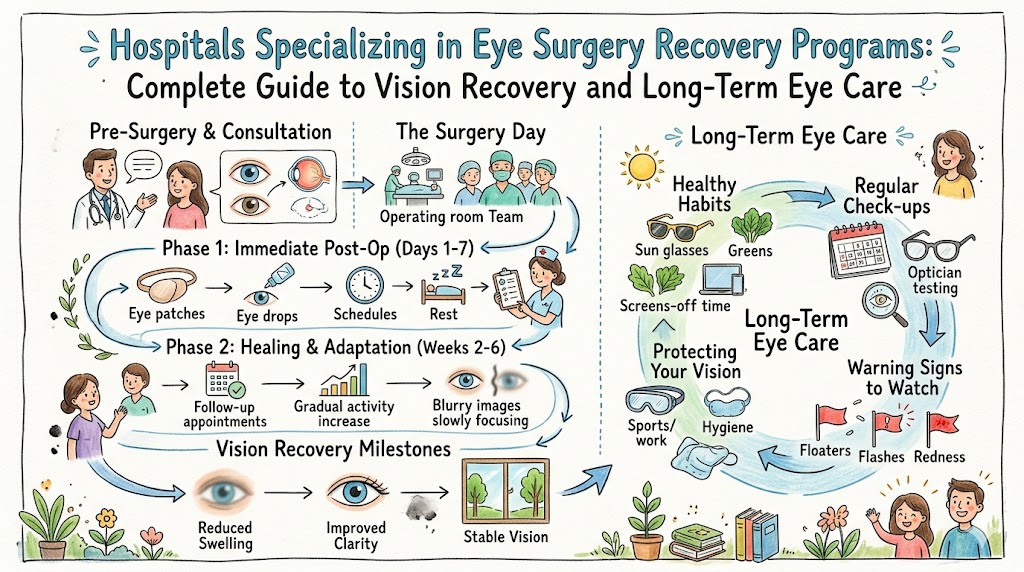
Introduction
Your vision is one of your most precious gifts, and the decision to undergo eye surgery is a significant step toward improving your quality of life. Whether you are correcting refractive errors, managing glaucoma, or addressing cataracts, the surgery itself is only the beginning of your journey. Many patients focus heavily on the procedure while overlooking the vital phase that follows: the recovery process.
A structured, specialized recovery program is the bridge between the operating room and your final visual outcome. Without proper support and monitoring, even the most successful surgery can be compromised. Specialized programs provide the expert guidance, advanced monitoring, and emotional support needed to ensure your eyes heal perfectly. We invite you to explore this guide at BESTEYEHOSPITALS to understand why selecting a hospital with a dedicated recovery program is the most critical decision you can make for your long-term vision. This guide will walk you through what to expect, how to manage your recovery, and why professional post-operative care matters.
Quick Answer
Hospitals specializing in eye surgery recovery programs are distinguished by their commitment to the entire surgical journey, not just the procedure. These programs provide personalized post-operative roadmaps, digital vision monitoring, and rapid access to follow-up care. By utilizing advanced diagnostics like OCT and teleophthalmology, these centers catch potential complications early, adjust medication protocols instantly, and offer rehabilitation support. Choosing a center with these services significantly lowers the risk of infection and inflammation while maximizing visual clarity, ensuring that patients transition safely and confidently back to their normal daily activities.
Understanding Eye Surgery Recovery
Why Recovery Matters After Eye Surgery
The eye is an incredibly delicate organ. Even after minimally invasive procedures, the tissues require time, stability, and specific environmental conditions to heal correctly. Proper recovery care prevents complications like inflammation, infection, or structural issues that could affect your permanent vision.
Goals of Eye Surgery Recovery Programs
The primary goal is the restoration of optimal vision. However, these programs also aim to minimize discomfort, provide patient education so you know how to protect your eyes, and detect any subtle changes in healing that require immediate intervention.
Common Challenges During Recovery
Patients often struggle with temporary light sensitivity, dry eyes, blurred vision, or the anxiety associated with not knowing if their healing is “on track.” A specialized program provides the reassurance and medical oversight to manage these challenges efficiently.
Importance of Follow-Up Care
Follow-up visits are not merely formalities; they are diagnostic check-ins. They allow your surgeon to measure intraocular pressure, inspect surgical sites under magnification, and ensure that your eye is responding to prescribed medications.
Benefits of Structured Recovery Plans
Structured plans take the guesswork out of healing. They provide clear, step-by-step instructions on daily activities, medication schedules, and warning signs to watch for, empowering you to play an active role in your own visual recovery.
Common Eye Surgeries Requiring Recovery Programs
Cataract Surgery
This involves replacing a cloudy lens with a clear artificial one. While highly successful, recovery requires careful monitoring to ensure the lens stabilizes correctly and inflammation is controlled.
LASIK and Refractive Surgery
These procedures reshape the cornea. Recovery is generally fast, but the first few days are critical for preventing dryness and ensuring the corneal flap heals without displacement.
Glaucoma Surgery
Surgery to reduce eye pressure requires meticulous management. Recovery involves controlling inflammation and maintaining steady pressure levels to prevent optic nerve damage.
Retinal Surgery
Procedures like retinal detachment repair are complex. Recovery often involves specific “positioning” instructions, where the patient must keep their head in a certain orientation for days to aid healing.
Corneal Transplant Surgery
This is a significant reconstructive surgery. Recovery is long-term and involves careful management of the body’s immune response to the donor tissue to prevent rejection.
Vitrectomy Procedures
Often used for retinal issues, this surgery requires specialized recovery steps to ensure the vitreous cavity heals properly while restoring clear vision.
Oculoplastic Surgery
Surgeries around the eyelids or tear ducts focus on both function and aesthetics. Recovery management emphasizes wound care, swelling reduction, and preserving the delicate structure of the eyelid.
What Are Eye Surgery Recovery Programs?
Personalized Recovery Plans
No two eyes heal exactly the same way. A specialized program creates a plan based on your surgery type, overall health, age, and individual healing rate.
Vision Monitoring and Follow-Up Visits
Regular, planned check-ups ensure that every phase of healing is tracked. This allows the medical team to compare your current visual progress against clinical benchmarks.
Medication Management
From antibiotic drops to anti-inflammatory steroids, timing is everything. Recovery programs ensure you understand the “why” and “how” of your medication regimen to optimize outcomes.
Patient Education and Counseling
Anxiety is common after surgery. These programs include counseling to help you understand common sensations, what is normal, and when to call your doctor.
Rehabilitation and Visual Training
For complex surgeries, you may need vision therapy or rehabilitation to help your brain and eyes adapt to new visual clarity or corrected focal points.
Long-Term Eye Health Monitoring
A recovery program doesn’t just stop when the stitches are out. It includes long-term check-ups to ensure your vision remains stable and to catch secondary issues early.
Features of Hospitals Specializing in Eye Surgery Recovery Programs
Experienced Ophthalmologists
The cornerstone of these hospitals is a team of ophthalmologists who are not only skilled surgeons but are also experts in post-surgical complication management.
Dedicated Recovery Teams
These teams include specialized ophthalmic nurses and technicians who are available to answer your questions and provide on-the-spot support during the critical recovery days.
Advanced Diagnostic Equipment
Hospitals in this category use cutting-edge tools to assess healing, ensuring that nothing is missed during your follow-up visits.
Digital Vision Monitoring
Modern hospitals use secure digital portals where you can report your symptoms or visual changes, allowing the team to triage your care efficiently.
Patient Support Services
These include financial counseling, transportation coordination for follow-ups, and 24/7 emergency hotlines for peace of mind.
Emergency Eye Care Access
If you experience a sudden change in vision or intense pain, these hospitals provide immediate access to surgical teams who know your history and can act fast.
Rehabilitation Programs for Vision Recovery
These centers offer structured programs for patients who need extra help adjusting to their restored vision, particularly after retinal or complex transplant procedures.
Advanced Technologies Used in Eye Surgery Recovery
Optical Coherence Tomography (OCT)
This non-invasive imaging tool provides high-resolution, cross-sectional images of your retina and cornea, allowing doctors to see cellular-level healing.
Digital Retinal Imaging
High-resolution images are taken at each visit, allowing for a side-by-side comparison of your retinal health throughout the recovery process.
AI-Assisted Eye Monitoring
New AI tools can analyze images of your eye to detect the earliest signs of inflammation or infection, even before they become symptomatic.
Corneal Mapping Technologies
For refractive surgery recovery, corneal mapping tracks the stability of your corneal shape to ensure it is healing perfectly.
Teleophthalmology Support
This allows you to have “virtual” check-ups for routine post-op questions, saving you travel time while ensuring your recovery remains on schedule.
Advanced Vision Assessment Systems
Digital testing systems measure your visual acuity, contrast sensitivity, and focus with higher precision than traditional charts.
Electronic Patient Monitoring
Secure electronic health records ensure that your surgeon and recovery team have instant access to every detail of your procedure and progress.
Benefits of Specialized Recovery Programs
The primary benefit is safety. By choosing a center with a recovery program, you are surrounding yourself with experts who are prepared for every contingency. You experience faster healing because your treatment is adjusted in real-time. Perhaps most importantly, you gain confidence. Knowing that you are being monitored by the best technology and the most experienced professionals allows you to focus entirely on your healing.
Comparison Table: Standard Post-Surgery Care vs Specialized Eye Surgery Recovery Programs
| Feature | Standard Post-Surgery Care | Specialized Eye Recovery Programs |
| Follow-Up Schedule | Generic, infrequent visits | Personalized, intensive, data-driven |
| Monitoring Technology | Basic visual charts | OCT, AI Imaging, Corneal Mapping |
| Patient Support | Limited access to staff | 24/7 support & counseling |
| Education | Basic handouts | Comprehensive, customized plans |
| Complication Detection | Symptom-based | Proactive, diagnostic-based |
| Integration | Surgeon only | Surgeon, Rehab, Nursing, Counselors |
Comparison Table: Recovery Timelines for Common Eye Surgeries
| Surgery Type | Initial Healing | Full Visual Stability | Key Recovery Focus |
| Cataract | 1–3 days | 4–6 weeks | Inflammation control |
| LASIK | 24–48 hours | 1–3 months | Dry eye management |
| Glaucoma | 1–2 weeks | 2–3 months | Pressure stabilization |
| Retinal | 2–4 weeks | 3–6 months | Positioning & healing |
| Corneal Transplant | 1–2 months | 6–12 months | Rejection prevention |
Preparing for Eye Surgery Recovery
Understanding Recovery Expectations
Every surgery has a “normal” healing path. Ask your doctor for a written guide that outlines the common milestones, such as when your vision should clear up.
Creating a Safe Home Environment
Prepare your space by removing tripping hazards, ensuring your lighting is adjustable (for light sensitivity), and having a clean, dedicated area for your medications.
Medication Preparation
Pick up your prescriptions before your surgery. Familiarize yourself with the drop schedule, perhaps using a timer or an app to ensure you never miss a dose.
Transportation and Support Planning
You will not be able to drive after most eye surgeries. Arrange for a trusted person to drive you home and, if possible, stay with you for the first 24–48 hours.
Questions to Ask Before Surgery
- What are the top three warning signs I should call you about?
- How soon can I return to screen time or driving?
- How do I protect my eye while sleeping?
- Are there specific activities I must strictly avoid?
- What is the process for contacting you if I have an emergency?
Recovery After Different Types of Eye Surgery
Cataract Surgery Recovery
You will likely be given a protective shield to wear while sleeping. Focus on avoiding heavy lifting and keeping water out of your eye during showers.
LASIK Recovery
The main focus is avoiding rubbing your eyes. You will use lubricating drops frequently to manage dryness, which is very common in the first few weeks.
Glaucoma Surgery Recovery
Frequent visits are required to monitor eye pressure. You must follow the drop schedule perfectly, as these medications are the main defense against pressure spikes.
Retinal Surgery Recovery
Strict positioning is often required. You may need to keep your head tilted or facedown, which is essential to help the retina reattach correctly.
Corneal Transplant Recovery
This requires intense attention to anti-rejection drops. You will have regular checks to ensure your eye isn’t showing signs of immune rejection.
Complex Eye Procedure Recovery
These require a multidisciplinary approach, often involving coordination between your surgeon, vision therapists, and sometimes other medical specialists.
Managing Common Recovery Challenges
Blurred Vision
This is often due to the eye adjusting, swelling, or residual ointment. Be patient and wait for the “stability” milestone provided by your doctor.
Dry Eyes
Almost universal after eye surgery. Use the prescribed or recommended artificial tears consistently, even if your eyes don’t feel “dry” at that exact moment.
Light Sensitivity
Your eyes will be more sensitive to bright light. Wear your provided protective eyewear or high-quality sunglasses, even indoors if needed, during the first few days.
Eye Irritation
A “gritty” or “scratchy” feeling is common. Do not rub your eyes. Use your drops and rest your eyes by keeping them closed or taking frequent breaks from screens.
Temporary Vision Fluctuations
It is normal for vision to be clearer at some times of the day than others. Keep a log if this concerns you, and share it at your next follow-up.
Managing Daily Activities Safely
When in doubt, don’t do it. Avoid driving, strenuous exercise, or any activity that puts pressure on the eye until your surgeon explicitly clears you.
Risks and Potential Complications
Infection Risks
Infection is the most serious risk. It is almost always preventable by following the sterile cleaning routine provided by your hospital.
Delayed Healing
If your eye isn’t healing at the expected rate, your doctor may need to adjust your medication or investigate underlying factors like systemic health issues.
Increased Eye Pressure
This can happen after any eye surgery. Specialized recovery programs monitor this proactively, treating pressure rises before they can damage your vision.
Vision Changes
If your vision gets worse rather than better, or if you see new flashes or “floaters,” contact your center immediately, as these are signs that need quick evaluation.
Inflammation
Inflammation is a natural response, but if it is excessive, it can damage tissue. Your post-op steroid drops are the key to keeping this under control.
How Specialized Hospitals Reduce Risks
By providing proactive monitoring, high-tech diagnostic testing, and immediate access to your surgeon, these hospitals address small issues before they become major complications.
Rehabilitation and Vision Support Services
Low Vision Rehabilitation
For patients who have undergone surgeries that don’t result in perfect vision, this program provides tools and training to maximize daily independence.
Vision Therapy Programs
These exercises strengthen the eye-brain connection, which is particularly helpful for those recovering from procedures involving alignment or structural changes.
Occupational Vision Support
We help you adapt your home or work environment, recommending lighting, magnification, or ergonomic changes to keep you productive during recovery.
Patient Counseling Services
Surgery can be stressful. Counseling provides a space to discuss your worries and helps you build the mental resilience needed for a positive recovery.
Long-Term Follow-Up Programs
Vision health is a lifelong commitment. We ensure you have a schedule for annual eye exams and screenings to protect your long-term visual health.
How to Choose the Right Eye Hospital Recovery Program
Experience of Ophthalmology Specialists
Look for hospitals with surgeons who have performed your specific procedure hundreds of times. Their experience directly informs the quality of the recovery plan they offer.
Availability of Recovery Services
Check if the hospital offers an on-site rehabilitation center or a dedicated recovery nurse line. The more integrated the services, the smoother your journey.
Technology and Monitoring Systems
Ask what diagnostic tools they use for post-op checks. A hospital that uses OCT imaging and digital tracking is going to offer superior monitoring.
Patient Education Programs
A great hospital provides you with a comprehensive recovery “packet” or digital app. If they can’t explain the recovery phase clearly during your consultation, be wary.
Accessibility of Follow-Up Care
Consider the travel time to the facility. You will need to make several visits in the weeks following surgery; choose a location that makes these visits manageable.
Questions Patients Should Ask
- How does your recovery program adjust if my healing is slower than average?
- Can I contact a recovery nurse directly if I have a minor concern?
- What percentage of your patients require additional support services post-surgery?
- How do you monitor intraocular pressure during the first few days?
- Does your hospital offer virtual follow-ups for routine questions?
Cost and Financial Considerations
Factors Affecting Recovery Program Costs
Costs vary based on the intensity of the monitoring required. Complex retinal surgeries naturally require more frequent and specialized follow-up than routine cataract surgery.
Follow-Up Visit Expenses
Check if your surgical package includes a set number of follow-up visits. This can save you money compared to being billed for every individual check-up.
Rehabilitation Services
These may be billed separately from the surgery itself. Ask for a clear breakdown of potential rehabilitation costs during your pre-operative planning.
Insurance and Financial Planning
Many recovery programs are covered by insurance if they are deemed “medically necessary.” Work with the hospital’s financial coordinator to get your claims pre-authorized.
Long-Term Care Considerations
Factor in the cost of long-term maintenance, such as annual exams and potential secondary procedures, when planning your overall eye health budget.
Future of Eye Surgery Recovery
AI-Powered Recovery Monitoring
Soon, your phone’s camera could be used for routine post-op check-ins, with AI identifying signs of healing or irritation and alerting your surgeon instantly.
Remote Vision Assessment
New technology is allowing for clinical-grade visual acuity tests to be performed at home, reducing the need for frequent travel to the hospital.
Digital Patient Engagement
Expect to see more interactive apps that “gamify” your recovery, tracking your medication compliance and vision milestones with ease.
Personalized Recovery Programs
Genetic testing is becoming part of pre-op care, helping doctors predict how you will heal and designing a recovery program that matches your genetic profile.
Emerging Vision Rehabilitation Technologies
From smart contact lenses that monitor eye pressure to advanced ocular implants that improve contrast, the future of recovery is all about seamless, high-tech integration.
Key Takeaways
- Recovery is just as important as the surgery itself for ensuring optimal vision.
- Specialized recovery programs offer proactive, data-driven monitoring rather than just waiting for symptoms.
- The first 48–72 hours after surgery are the most critical; follow all directions precisely.
- Standard post-op care is often reactive, while specialized recovery programs are preventative.
- Modern diagnostics like OCT and retinal imaging are vital for seeing beneath the surface of healing tissue.
- Medication timing is the most frequent point of failure in recovery; use timers or digital reminders.
- Always have a plan for transportation, as you should not drive immediately after eye surgery.
- Vision fluctuations are common; keep a log and discuss them at your follow-up visits.
- Choose a hospital that offers integrated support like rehabilitation and counseling.
- The future of recovery is increasingly digital, allowing for remote monitoring and personalized care.
FAQ Section
Why do I need so many follow-up appointments after eye surgery?
Follow-up appointments allow your surgeon to detect early signs of inflammation, infection, or pressure changes. These subtle clinical signs often appear before you even feel a difference, allowing the team to prevent problems before they impact your vision.
Is it normal to have “sand in my eye” sensation during recovery?
Yes, this is very common, especially after LASIK or cataract surgery. It is typically due to surface dryness. Using your lubricating drops as frequently as prescribed—even if the feeling comes and goes—is the best way to manage it.
How long do I need to wear the protective eye shield?
This depends on your specific surgery. Most surgeons recommend wearing it while sleeping for the first week to prevent you from accidentally rubbing your eye, which could disrupt the surgical site.
Can I use my phone or watch TV during recovery?
You generally can, but take frequent breaks. Staring at screens for long periods can contribute to dryness and eye strain. Follow the “20-20-20 rule”—every 20 minutes, look at something 20 feet away for 20 seconds.
What is the most common reason for a failed eye surgery recovery?
Failure to follow medication instructions (especially steroid and antibiotic drops) or rubbing the eye are the most common reasons for complications. Strict adherence to your drop schedule is the single most important factor.
How soon can I resume exercise after surgery?
Strenuous exercise that raises your heart rate or requires bending over should be avoided for at least one to two weeks, depending on the surgery. Always get clear, written permission from your surgeon before returning to the gym.
Will my vision be perfect the day after surgery?
Not necessarily. For cataract surgery, vision may be blurry for a few days due to inflammation. For LASIK, it may be quite good, but it often fluctuates for the first few weeks. Your doctor will provide you with your expected timeline.
What should I do if I get water in my eye during the first few days?
Try to avoid it entirely by using the “head-back” washing technique or wearing a protective shield in the shower. If water does splash in, avoid rubbing; gently pat the area around the eye with a clean tissue and use your prescribed lubricating drops.
Why are specialized recovery programs better than seeing my local optometrist?
While your local optometrist is great for routine care, a specialized hospital recovery program gives you direct access to the surgical team that performed your procedure. They know exactly how your eye was handled and are best equipped to identify and manage any surgical-specific complications.
Can I travel by air after eye surgery?
Some eye surgeries (especially those involving gas bubbles in the eye, like retinal surgery) make air travel dangerous due to pressure changes. Always clear any travel plans with your surgeon before booking your ticket.
Conclusion
Choosing to undergo eye surgery is a life-changing decision, and the recovery process is the most vital part of securing those results. By selecting a hospital that prioritizes a specialized eye surgery recovery program, you are ensuring that your vision is supported by the best technology, the most experienced teams, and a structure designed to prevent complications.Recovery takes patience, but with the right guidance, you will be enjoying your clearer vision sooner than you think. Stay consistent with your drops, attend your follow-ups, and don’t hesitate to reach out to your recovery team with any questions. For more expert resources and information on finding the right surgical support, visit. Your vision is a journey—let’s ensure it’s a bright one.