Introduction
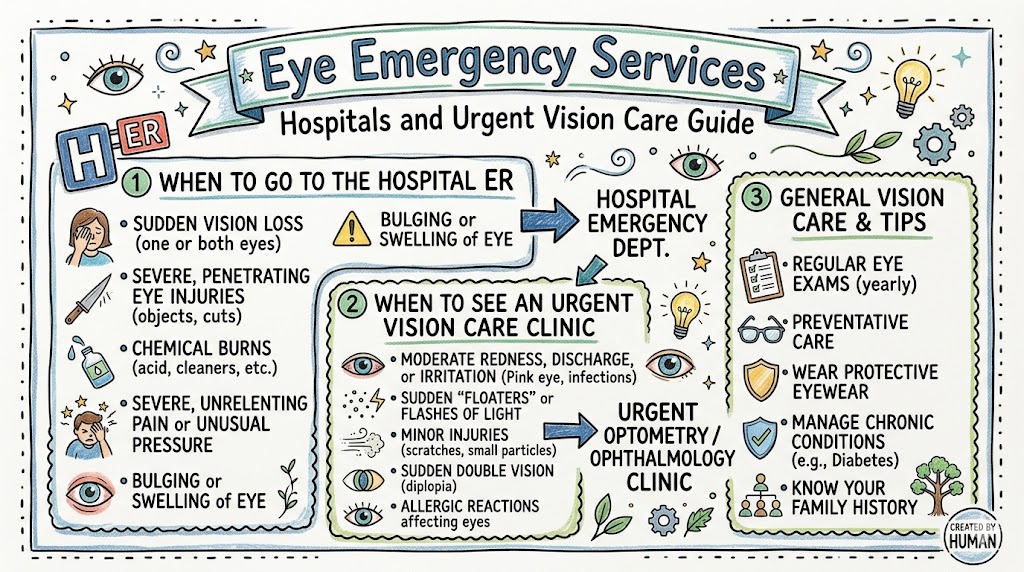
Our eyes are the primary windows through which we experience the world, making vision one of our most precious senses. Because sight is so integral to our daily functionality, even minor disturbances can be deeply unsettling. However, some eye conditions are not just minor irritants; they are medical emergencies that require immediate, specialized attention to preserve long-term health and clarity. Whether it is an unexpected injury, a sudden change in vision, or a painful infection, knowing where to turn is the first step in protecting your future sight.When a sudden eye emergency strikes—perhaps a chemical splash while cleaning, a foreign object in the eye at work, or the terrifying sensation of sudden vision loss—the speed of your response determines the outcome. This is why having access to professional Eye Emergency Services Hospitals is a cornerstone of responsible healthcare. Hospitals equipped with dedicated ophthalmology units provide the rapid diagnostic and surgical capabilities necessary to mitigate damage effectively.At BESTEYEHOSPITALS, we are dedicated to providing the resources and specialized care required to handle these critical moments. By understanding the signs of an emergency and knowing how to act during the “golden hour” of injury, you play a vital role in your own recovery. This guide is designed to empower you with the knowledge to recognize crises and navigate the emergency care system with confidence and calm.
What Is an Eye Emergency?
An eye emergency is any condition that involves the eye, eyelids, or surrounding orbit which poses an immediate threat to your vision or the physical integrity of the eye itself. While dry eyes or minor scratches may be uncomfortable, they usually do not fall into the emergency category. An emergency, by definition, requires prompt evaluation by an ophthalmologist or emergency medical team to prevent irreversible damage.
Minor Irritation vs. True Emergency
Distinguishing between a “wait and see” issue and an emergency is crucial. Minor irritation often resolves with rest or over-the-counter lubrication. Conversely, an emergency presents with symptoms that are intense, worsening, or sudden. For example, a mild redness from fatigue is common, but a sudden loss of vision accompanied by severe pain is a red flag that demands urgent intervention.
Why Timing is Critical
The tissues of the eye are incredibly delicate. In cases like chemical burns or retinal detachment, the window to save vision can be measured in minutes or hours. Specialized emergency eye hospital units are designed specifically to bypass standard wait times, ensuring that diagnostic tools and surgical teams are ready to intervene before the window for effective treatment closes.
Common Types of Eye Emergencies
Understanding these scenarios helps you recognize when you are facing a situation that requires a trip to the hospital.
- Foreign Object in Eye: While a speck of dust is usually simple to rinse out, a metallic shard, glass, or debris that feels embedded in the eye is a serious injury that requires professional removal to prevent infection or scratching of the cornea.
- Eye Trauma or Injury: Blunt force—such as being hit by a ball or a falling object—can cause internal bleeding (hyphema) or structural damage that isn’t immediately visible from the outside.
- Chemical Burns: Exposure to household cleaners, industrial solvents, or alkaline substances is a sight-threatening emergency. Immediate and prolonged irrigation is necessary.
- Sudden Vision Loss: If you experience a sudden “curtain” over your vision, a loss of central sight, or complete darkness in one or both eyes, this may indicate a retinal detachment or a blocked blood vessel.
- Severe Infection or Redness: Intense pain accompanied by thick discharge, crusting, and extreme sensitivity to light can indicate severe bacterial or fungal infections that require potent medication.
- Flashes, Floaters, and Retinal Issues: A sudden shower of floaters or persistent flashes of light can be early warning signs of a tear in the retina, which requires immediate repair.
Warning Signs You Should Never Ignore
Your body will often provide distinct physical signals when the eye is in distress. Never ignore the following symptoms:
- Sudden Blurred Vision: A rapid decline in sharpness in one or both eyes suggests that internal structures are under stress.
- Intense Eye Pain: Pain that is sharp, deep, or pulsating is rarely a good sign and usually points to internal pressure or inflammation.
- Blood in the Eye: Visible pooling of blood (hyphema) inside the colored part of the eye is a sign of internal trauma.
- Swelling or Redness: Persistent, extreme redness that does not improve, or eyelid swelling that makes it difficult to see, indicates an underlying aggressive condition.
- Extreme Light Sensitivity (Photophobia): If regular indoor light causes unbearable pain, this is a sign of severe corneal or internal eye inflammation.
- Double Vision: The sudden onset of seeing two images can indicate muscle injury or nerve issues related to the eye.
- Partial or Complete Vision Loss: This is the ultimate red flag for an ophthalmology emergency and requires instant medical evaluation.
Why Eye Emergency Hospitals Matter
Standard urgent care centers are helpful, but they may lack the specialized tools required for complex eye injuries. Ophthalmology emergency services are distinct for several reasons:
- Specialized Expertise: Hospitals with eye units have ophthalmologists on call who understand the nuances of corneal, retinal, and orbital anatomy.
- Emergency Diagnostic Tools: A “slit lamp” is the most basic tool required to visualize microscopic scratches or foreign bodies; hospitals have these and advanced imaging systems readily available.
- Rapid Infection Control: Eye infections can progress from the surface to the interior of the eye rapidly; hospitals can provide immediate targeted antibiotic therapy.
- Trauma Management: If an injury involves the eyelids or the surrounding bone, an eye emergency unit coordinates seamlessly with trauma surgeons to ensure full reconstruction.
- Vision-Saving Response: The overarching goal of these units is to preserve sight. Every step in their triage process is designed to minimize damage to the retina and optic nerve.
How Hospitals Handle Eye Emergencies
When you arrive at an eye emergency center, you will undergo a structured, efficient process:
- Triage and Initial Assessment: Nurses check your vital signs and the severity of the eye symptoms to determine the order of treatment.
- Vision Testing: Even in emergencies, doctors will attempt to measure your current level of vision to establish a baseline for recovery.
- Magnified Examination: Using a slit lamp, the doctor examines the layers of your eye to locate the precise source of pain or injury.
- Immediate Stabilization: This might include flushing the eye, applying protective drops, or using specialized medication to lower pressure.
- Imaging: If trauma is suspected, X-rays or ultrasound imaging will be used to see if foreign objects are embedded deep inside.
- Surgical Intervention: If a retinal tear or open globe injury is found, the hospital is prepared to move you to an operating theater immediately.
- Follow-up Planning: A clear, written instruction plan is provided so you know exactly how to manage your recovery at home.
Emergency Treatments in Eye Care
Treatment is always tailored to the specific injury, but common interventions include:
- Eye Irrigation: The continuous flushing of the eye with sterile saline to remove chemicals or foreign particles.
- Foreign Body Removal: Delicate extraction of debris using specialized instruments under high magnification.
- Antibiotic Therapy: Topical drops or ointments to prevent bacterial colonization following a scratch or puncture.
- Pressure Control: Using specialized drops to lower the intraocular pressure if internal trauma has caused a spike that threatens the optic nerve.
- Surgical Repair: Closing lacerations on the eyelid or reattaching retinal tissue to prevent permanent loss of sight.
- Pain Management: Controlled medication to alleviate the intense suffering that often accompanies corneal injuries.
Role of 24/7 Eye Emergency Units
A true emergency unit never closes. The availability of 24/7 care is vital because eye emergencies—such as an accidental injury while sleeping or a sudden retinal tear in the middle of the night—cannot wait until the next morning. These units function as a hub of expertise, coordinating on-call surgeons, rapid-response nurses, and specialized equipment to ensure that the patient receives the same high quality of care at 3:00 AM as they would at 3:00 PM. This continuous readiness is the backbone of reliable emergency eye hospital services.
First Aid for Eye Emergencies (Very Important)
What you do in the seconds after an injury is just as important as the care you receive in the hospital.
- Do Not Rub Your Eyes: Rubbing can push a foreign object deeper into the cornea or worsen a scratch.
- Chemical Exposure: Flush the eye immediately with clean, lukewarm water or saline for at least 15 to 20 minutes before even attempting to drive to the hospital.
- Avoid Pressure: If the eye is injured, do not push on it. Use a rigid shield (like a paper cup taped over the eye) to prevent further accidental contact.
- Do Not Attempt Self-Removal: Never try to pick out embedded objects with tweezers or sharp tools. You risk causing much more damage than the object itself.
- Cover Lightly: If there is blood or discharge, use a clean, non-stick pad to cover the eye gently until you reach medical help.
- Seek Immediate Care: Once you have stabilized the eye, get to the emergency center.
Real-Life Patient Scenarios
- Dust/Debris Case: A construction worker gets a metallic shard in his eye. He resists the urge to rub it, covers the eye with a clean cloth, and goes to the emergency unit. Because he did not rub the eye, the doctor is able to remove the shard cleanly without damage to the pupil.
- Chemical Splash: While using a drain cleaner, a person gets a splash in the eye. They immediately head to the kitchen sink and flush the eye for 20 minutes before leaving for the hospital. This rapid irrigation neutralizes the pH balance, preventing the chemical from causing long-term corneal scarring.
- Sudden Vision Change: An elderly patient experiences a “curtain” coming down over their side vision at night. Recognizing this as a sign of retinal detachment, they head to the hospital immediately. Because they arrived within the critical window, they undergo surgery the next morning and successfully regain their vision.
Common Causes of Eye Emergencies
- Workplace Accidents: Lack of safety goggles when working with power tools, chemicals, or flying debris.
- Chemical Exposure: Inadequate handling of household cleaning agents or industrial acids.
- Hygiene Issues: Wearing contact lenses too long or sleeping in them, which significantly increases the risk of severe bacterial ulcers.
- Sports Injuries: High-impact balls or sticks that cause trauma to the orbit or eye structures.
- Untreated Infections: Ignoring a small, red, itchy eye until it turns into a painful, sight-threatening condition.
- Foreign Particles: High-speed dust or debris that can lodge in the eye during windy days or gardening.
What Hospitals Can and Cannot Do
- Hospitals CAN: Properly assess the depth of an injury, provide immediate pain relief, neutralize chemicals, stop severe infections, and perform emergency sight-saving surgeries.
- Hospitals CANNOT: Perform standard vision correction surgeries (like LASIK) on an emergency basis, conduct routine eye exams for glasses/contacts, or provide long-term follow-up care that is better suited for a standard outpatient clinic. Their focus is singular: stabilize and save your vision.
How to Choose the Right Eye Emergency Hospital
- Check 24/7 Status: Does the hospital have a dedicated ophthalmology emergency team on-call every hour of every day?
- Evaluate Expertise: Look for facilities with fellowship-trained ophthalmologists.
- Technology Check: Confirm they have the advanced imaging (like OCT or ultrasound) necessary to diagnose hidden injuries.
- Trauma Readiness: If you have concerns about accidents, choose a hospital that is integrated into a wider trauma center system.
- Location and Speed: In an emergency, distance is a factor. Keep the contact information for a trusted provider like [suspicious link removed] saved in your phone or digital directory for quick reference.
Prevention of Eye Emergencies
- Wear Protective Eyewear: The single best way to prevent 90% of eye injuries is wearing ANSI-rated safety goggles during work and sports.
- Practice Good Hygiene: Always wash your hands before touching your eyes, and follow strict cleaning protocols for contact lenses.
- Handle Chemicals Safely: Read labels, wear gloves/goggles, and ensure you are working in a well-ventilated area.
- Regular Checkups: Even if you feel fine, regular exams can spot weak points in the retina or underlying infections before they become emergencies.
- Avoid Rubbing: Break the habit of rubbing your eyes entirely; the risk of injury far outweighs the momentary relief.
Future of Emergency Eye Care
The field is evolving toward “intelligent triage.” New technologies, such as smartphone-based high-magnification cameras, will soon allow patients to securely share images of their eye injury with an ophthalmologist while they are on their way to the hospital. AI systems are also being trained to recognize infection patterns in seconds, helping emergency teams prioritize the most sight-threatening cases instantly. Tele-ophthalmology is closing the gap between remote areas and top-tier emergency hospitals, ensuring everyone has a better chance at vision preservation.
FAQs (15 Questions)
1. What is an eye emergency? An eye emergency is any condition that threatens your vision or the structure of your eye, such as sudden vision loss, chemical burns, or severe trauma, requiring immediate medical care.
2. When should I go to the hospital for eye pain? If the pain is severe, accompanied by a sudden drop in vision, or follows a physical injury, you should go to an emergency hospital without delay.
3. Can eye injuries cause blindness? Yes. If an injury—especially a chemical burn or a penetrating trauma—is not treated within the correct time window, it can lead to permanent loss of sight.
4. What should I do immediately after an eye injury? Stay calm, avoid rubbing the eye, flush it if chemicals were involved, protect it with a shield or light cover, and head to an emergency eye center.
5. Are all red eyes emergencies? No. Many red eyes are caused by allergies or mild infections, but if the redness is accompanied by severe pain or vision loss, it becomes an emergency.
6. Can I drive myself to the hospital? If your vision is blurry or impaired, do not drive. Have someone else take you, or call for emergency transport to ensure your safety.
7. How do I know if I have a foreign object in my eye? You will likely feel a constant sensation of scratching, grit, or a “pinching” feeling that doesn’t go away even after blinking or rinsing.
8. Are chemical burns permanent? They can be, which is why immediate irrigation is the most important first-aid step to reduce the severity of the damage.
9. What is a retinal detachment? It is a condition where the light-sensitive layer of the eye pulls away from its base, often showing up as a curtain or shadow in your vision.
10. Is an eye emergency always painful? Not always. Retinal detachment, for example, is often painless, yet it remains a critical emergency because it can lead to permanent blindness if not fixed quickly.
11. Can contacts cause emergencies? Yes. Sleeping in contacts or failing to clean them can lead to corneal ulcers, which are aggressive and dangerous infections.
12. Does a black eye need a doctor? A simple bruise may be fine, but if you have double vision, pain, or difficulty moving the eye, see a doctor to rule out structural fractures.
13. Are children more at risk? Children are prone to eye injuries from play; they may not be able to describe their symptoms clearly, so any eye trauma should be evaluated by a professional.
14. What if the hospital doesn’t have an eye specialist? If you have a serious eye injury, go to the facility that has the best ophthalmology emergency department. Don’t settle for a clinic that cannot handle eye surgery.
15. Can I use eye drops from home? Avoid using any drops unless instructed by a doctor. Some drops, like those for redness, can actually mask symptoms and make a serious emergency harder to diagnose.
Final Conclusion
Your vision is the foundation of your independence and your connection to the world. When an eye emergency occurs, the fear and anxiety are natural, but they must be managed with clear, decisive action. The difference between a complete recovery and permanent vision loss is often decided by how quickly you access specialized care. By understanding what constitutes a true emergency, knowing how to perform basic first aid, and recognizing that specialized hospital care is your best path to safety, you are taking the necessary steps to protect your sight.The role of Eye Emergency Services Hospitals cannot be overstated. These institutions are specifically designed to meet the unique challenges of the eye, providing the equipment, the expertise, and the rapid response protocols that standard medical care cannot match. Whether it is the advanced slit lamp exams, the on-call surgical specialists, or the specialized infection control protocols, these hospitals are the gatekeepers of your visual health in a crisis.