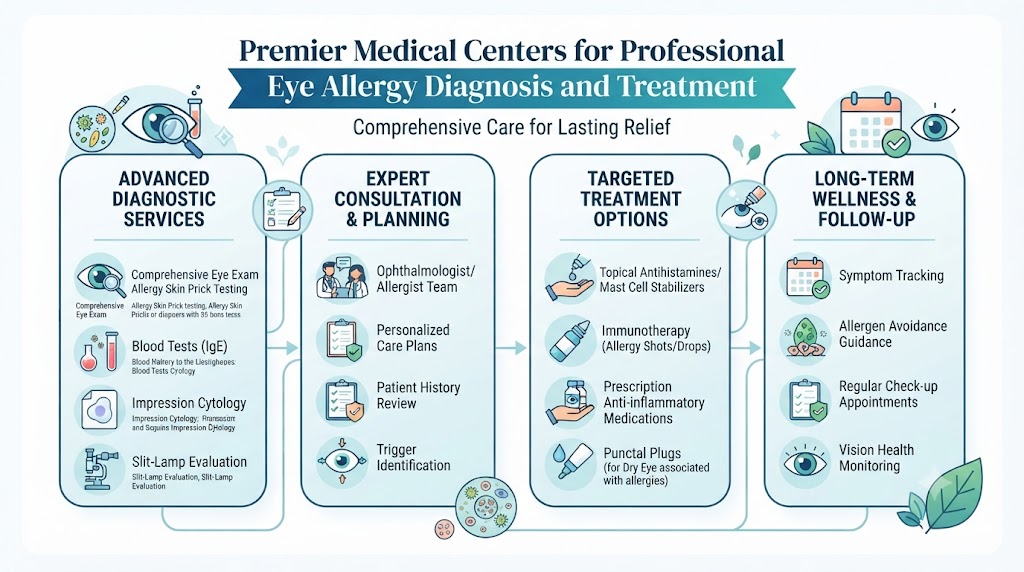
Introduction
Eye allergies, or ocular allergies, are a common condition that occurs when the eyes react to foreign substances, known as allergens. These substances—such as pollen, pet dander, or dust—trigger the immune system to release chemicals that cause inflammation, itching, and redness. While mild cases may be manageable at home, persistent or severe allergies can significantly impact your daily quality of life and potentially affect your ocular surface health.At BESTEYEHOSPITALS, we aim to provide you with the knowledge to navigate your eye health journey. This guide will help you understand ocular allergies, their causes, and how to identify top-tier hospitals for professional treatment.
Understanding Eye Allergies
An ocular allergy is an inflammatory response to an external trigger. Unlike an eye infection, which is often caused by bacteria or viruses and requires specific antimicrobial treatment, an allergy is a localized immune response.
Professional diagnosis is crucial because eye infections and eye allergies can present with similar symptoms. Misidentifying the two can lead to ineffective treatment or prolonged irritation. Specialized ophthalmologists utilize clinical history and ocular surface testing to determine the exact cause of your discomfort.
EYE ALLERGY OVERVIEW TABLE
| Aspect | Description |
| Medical Condition | Ocular Allergy (Allergic Conjunctivitis) |
| Organ Affected | Conjunctiva and Ocular Surface |
| Common Triggers | Pollen, dust, dander, mold, cosmetics |
| Specialists Involved | Ophthalmologists, Cornea/Ocular Surface Specialists |
| Treatment Goal | Symptom relief and inflammation control |
Common Types of Eye Allergies
- Seasonal Allergic Conjunctivitis (SAC): The most common form, triggered by seasonal pollens (grass, trees).
- Perennial Allergic Conjunctivitis (PAC): Occurs year-round, typically caused by indoor allergens like dust mites or pet dander.
- Vernal Keratoconjunctivitis (VKC): A more severe, chronic form that often affects young boys and can threaten the cornea.
- Atopic Keratoconjunctivitis (AKC): Chronic, severe inflammation often associated with dermatitis or asthma.
- Giant Papillary Conjunctivitis (GPC): Often linked to contact lens use or foreign bodies in the eye.
TYPES OF EYE ALLERGIES TABLE
| Eye Allergy Type | Common Cause | Typical Symptoms |
| Seasonal | Tree/Grass Pollen | Itching, redness, watery eyes |
| Perennial | Dust mites, Pet dander | Chronic mild irritation, stuffiness |
| Vernal | Seasonal/Genetic factors | Severe itching, light sensitivity |
| Atopic | Systemic allergy (Asthma/Eczema) | Chronic redness, burning, discharge |
| Giant Papillary | Contact lenses/Foreign body | Itching, mucus, lens intolerance |
Common Symptoms of Eye Allergies
Eye allergies often affect both eyes simultaneously, though symptoms may vary in intensity.
SYMPTOMS TABLE
| Symptom | Possible Cause | Medical Evaluation Needed |
| Itching | Histamine release | Yes, for diagnosis |
| Redness | Blood vessel dilation | Yes, to rule out infection |
| Tearing | Reflex response to irritation | Yes, if persistent |
| Burning | Ocular surface inflammation | Yes |
| Swelling | Fluid accumulation (edema) | Yes, for severe cases |
| Light Sensitivity | Corneal surface irritation | Urgent evaluation |
Common Causes and Risk Factors
- Pollen: The primary trigger for seasonal allergies.
- Dust Mites: Microscopic organisms found in bedding and carpets.
- Pet Dander: Proteins found in pet skin flakes and saliva.
- Mold: Fungi that thrive in damp indoor or outdoor environments.
- Contact Lens Use: Lenses can trap allergens or harbor proteins that cause reactions.
- Air Pollution: Smoke and chemical fumes can irritate the ocular surface.
RISK FACTORS TABLE
| Risk Factor | Why It Increases Risk | Can It Be Reduced? |
| Pollen | Airborne exposure | Yes (Indoor filters/glasses) |
| Dust | Household buildup | Yes (Regular cleaning) |
| Pets | Direct contact | Yes (Hygiene/Limiting contact) |
| Pollution | Chemical irritation | Yes (Limiting exposure) |
| Contact Lenses | Traps allergens | Yes (Daily disposables) |
Diagnosis of Eye Allergies
Specialized hospitals use detailed assessments to confirm if your symptoms are purely allergic.
DIAGNOSTIC TESTS TABLE
| Test | Purpose | What It Evaluates |
| Eye Examination | General health check | Overall ocular integrity |
| Slit Lamp | Microscopic examination | Conjunctival/Corneal health |
| Tear Film Assessment | Evaluating dryness | Impact of allergy on tears |
| Allergy History | Identification of triggers | Patient lifestyle patterns |
| Additional Testing | Specialized diagnostics | Immune markers (if needed) |
Treatment Options
Effective management often combines immediate relief with long-term prevention.
TREATMENT OPTIONS TABLE
| Treatment | Best For | Main Benefit |
| Artificial Tears | Flushing allergens | Dilutes inflammatory agents |
| Antihistamine Drops | Immediate itching | Blocks histamine receptors |
| Mast Cell Stabilizers | Long-term prevention | Stops histamine release |
| Prescription Medicines | Severe cases | Potent anti-inflammatory action |
| Cold Compress | Acute swelling/itching | Natural soothing effect |
Advanced Technologies Used in Eye Allergy Care
Leading eye hospitals utilize specialized technology to treat chronic ocular surface conditions.
- Digital Slit Lamp Imaging: Allows doctors to document and track surface changes over time.
- Tear Film Analysis: Measures the health and quality of the eye’s protective tear layer.
- Corneal Topography: Ensures the cornea remains healthy despite chronic inflammation.
- Ocular Surface Imaging: Provides detailed maps of the conjunctiva and eyelids.
- AI-Assisted Diagnostics: Helps clinicians detect subtle inflammatory changes early.
TECHNOLOGY TABLE
| Technology | Purpose | Patient Benefit |
| Digital Slit Lamp | Documentation | Accurate progression tracking |
| Tear Film Analysis | Assessing dryness | Targeted lubrication |
| Corneal Imaging | Surface health | Early complication detection |
| Ocular Surface Imaging | Tissue mapping | Better diagnostic clarity |
| AI Diagnostics | Pattern recognition | Faster, more accurate diagnosis |
Hospitals Offering Eye Allergy Treatments
- Hospital Overview: Look for centers that emphasize research and sub-specialty clinics.
- Ophthalmology Department: A well-rounded department should include specialists in cornea and external diseases.
- Diagnostic Facilities: Facilities offering advanced imaging are essential for ruling out mimic conditions.
- International Patient Services: Top-tier hospitals offer patient liaisons to assist with travel and records.
HOSPITAL COMPARISON TABLE
| Hospital Name | Location | Eye Allergy Care | Ocular Surface Clinic | Advanced Diagnostics | Intl. Patients |
| Vision Center A | Global | Comprehensive | Yes | High-Tech | Yes |
| Ocular Inst. B | Global | Specialized | Yes | Expert | Yes |
| Allergy Eye Ctr C | Global | Advanced | Yes | Advanced | Yes |
Prevention Tips
| Prevention Tip | Benefit |
| Avoid Allergens | Prevents immune reaction initiation |
| Protective Eyewear | Acts as a physical barrier to pollen |
| Eye Hygiene | Removes debris and pollen |
| Contact Lens Care | Reduces allergen trapping |
| Clean Indoor Air | Lowers indoor allergen load |
Benefits of Specialized Eye Hospitals
- Specialist Care: Expertise from doctors who focus specifically on the ocular surface.
- Accurate Diagnosis: Advanced diagnostic tools prevent misdiagnosis.
- Modern Technology: Access to the latest imaging and medication options.
- Customized Treatment: Plans that address your lifestyle and severity.
- Ongoing Monitoring: Ensuring that chronic inflammation does not lead to permanent damage.
Common Mistakes Patients Make
- Rubbing the eyes: This releases more histamine and can damage the cornea.
- Self-medicating: Over-the-counter drops may contain preservatives that worsen irritation.
- Ignoring persistence: Chronic allergy can lead to corneal scarring if left unchecked.
- Wearing contacts while irritated: This locks allergens against the cornea.
- Delaying consultation: Early specialist intervention is easier to manage than advanced cases.
Future of Eye Allergy Treatment
| Innovation | Potential Benefit |
| AI Diagnosis | Instant identification of inflammatory markers |
| Personalized Care | Custom-tailored medication regimens |
| Smart Monitoring | Wearables tracking environmental triggers |
| Advanced Imaging | High-definition visualization of conjunctiva |
| Precision Medicine | Targeted therapies for refractory cases |
FAQs
- What causes eye allergies?
Immune reactions to pollen, pets, or dust. - How are they different from infections?
Allergies are immune-based; infections are pathogen-based. - When to see a doctor?
If symptoms persist, affect vision, or cause pain. - Are they contagious?
No, eye allergies cannot be spread to others. - Can they affect vision?
Yes, severe inflammation can damage the corneal surface. - What is recommended?
Artificial tears, antihistamines, and avoidance. - Are artificial tears helpful?
Yes, they wash away allergens. - Can kids get them?
Yes, especially in vernal keratoconjunctivitis. - How to reduce triggers?
Use filters and keep windows closed. - How to choose a hospital?
Look for board-certified ocular surface specialists. - Do I need an appointment?
Yes, specialized clinics often require referrals. - Is it chronic?
It can be, especially with seasonal or environmental triggers. - Will drops help forever?
You may need long-term mast cell stabilizers. - Is surgery needed?
Very rarely, only for advanced complications. - What about contact lenses?
You may need to switch to daily disposables.
Final Thoughts
Eye allergies are more than just a nuisance; they are a medical condition that warrants professional attention to ensure your ocular surface remains healthy. By choosing a specialized eye hospital, you gain access to precision diagnostics and modern therapies that go beyond temporary relief.We encourage you to visit BESTEYEHOSPITALS to find resources, compare specialized centers, and learn more about managing ocular allergies effectively. Remember, proactive care is the best strategy for protecting your vision and your comfort.