Introduction
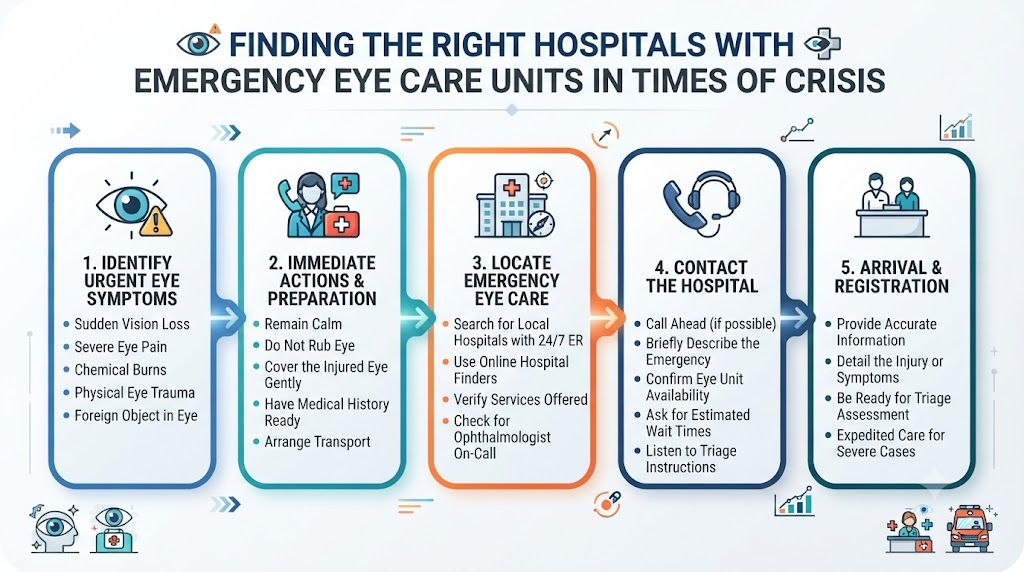
An unexpected injury or sudden change in your sight can be incredibly alarming. Because our eyes are intricate and delicate organs, time is of the essence when a crisis occurs. Unlike a typical injury or illness, damage to the ocular system requires highly specific diagnostic equipment and specialized knowledge that standard trauma facilities might not have readily available.At BESTEYEHOSPITALS, we recognize that clarity is reassuring during a health crisis. In this guide, we will break down what defines a specialized ocular trauma unit, outline the critical warning signs that mean you need to seek immediate care, and help you understand how to navigate the selection of emergency ophthalmology services.
What Is an Emergency Eye Care Unit?
An emergency eye care unit is a highly specialized department within a hospital or an eye care center structured specifically to handle urgent clinical ocular conditions. While a standard emergency room is designed to stabilize general systemic traumas, an ocular emergency unit focuses solely on the intricate anatomy of the visual system.
These departments are continuously staffed by on-call ophthalmologists, specialized nurses, and ophthalmic technicians who understand the micro-anatomy of the human eye. The differences between routine eye exams and emergency visits are profound:
- Routine Care: Focuses on refractive errors, steady adjustments to prescription lenses, and long-term monitoring of chronic diseases like stable cataracts or mild dry eye syndrome.
- Emergency Ophthalmology: Focuses on preventing imminent, irreversible blindness, reconstructing physical trauma to the globe or eyelid, neutralizing chemical incursions, and reducing suddenly elevated intraocular pressure.
Common Eye Emergencies
Certain conditions demand immediate professional medical management to reduce the risk of permanent vision loss. If you experience any of the following situations, you should go directly to a specialized facility:
- Sudden Loss of Vision: A total or partial loss of sight, even if it happens without any pain, indicates a serious issue. It could point to a central retinal artery occlusion (an eye stroke) or sudden internal bleeding.
- Penetrating Injuries and Deep Trauma: High-velocity impacts from wood, metal, or glass can puncture the globe of the eye, requiring delicate micro-surgical repair.
- Chemical Burns: Splashes from industrial or household chemicals (especially alkalis like drain cleaners or bleach) can destroy delicate tissues within minutes.
- Retinal Detachment: This occurs when the thin layer of tissue at the back of the eye pulls away from its normal position, separating from its blood supply.
- Acute Angle-Closure Glaucoma: A sudden, dangerous spike in pressure inside the eye caused by a structural blockage of internal fluid drainage channels.
- Severe Microbial Infections: Rapidly spreading ulcers on the cornea or infections deep inside the eye (endophthalmitis) can permanently cloud or scar the clear surfaces of the eye within a day if left untreated.
Emergency Eye Conditions Comparison
| Eye Emergency | Common Symptoms | Immediate Medical Need |
| Sudden Vision Loss | Blurred or complete drop in sight | Immediate evaluation to locate the source |
| Retinal Detachment | Flashing lights, a swarm of floaters, a shadow over vision | Urgent specialist intervention to reattach tissue |
| Chemical Eye Injury | Intolerable burning, severe redness, immediate pain | Instant irrigation followed by immediate emergency treatment |
| Eye Trauma | Structural distortion, bleeding, rapid swelling | Emergency assessment for internal structural damage |
| Acute Glaucoma | Severe deep ache, headache, nausea, colored halos | Urgent pressure-lowering medical therapy |
Warning Signs That Require Immediate Medical Care
Ocular symptoms can escalate quickly. Please do not wait to see if things improve on their own if you notice any of these warning signs:
- A sudden change, blurriness, or distortion in your vision.
- Deep, severe, throbbing pain within or directly behind the socket.
- Double vision that starts suddenly.
- New, persistent flashes of light or a sudden shower of dark floating spots.
- A dark shadow or “curtain” coming across your field of view.
- Blood inside the clear front part of the eye (hyphema).
- Any direct chemical exposure to the face or eyes.
- Rapidly spreading swelling, bruising, or protruding of the eye after a physical impact.
Advanced Diagnostic Services
When you arrive at a hospital with an emergency eye care unit, the medical team will use specialized tools to see inside and behind the eye without causing further irritation.
- Slit-Lamp Examination: A specialized microscope that shines a thin sheet of light into the eye. It lets the doctor inspect the cornea, iris, lens, and fluid chambers under high magnification.
- Tonometry: An essential test to measure the fluid pressure inside your eye, helping doctors quickly identify acute glaucoma.
- Dilated Retinal Examination: Medicated drops open the pupil wide, giving doctors a clear view of the retina, optic nerve, and major blood vessels at the back of the eye.
- Optical Coherence Tomography (OCT): High-speed light waves map out cross-sections of your retinal layers, catching microscopic swelling, fluid leaks, or tearing.
- Ocular Ultrasound: When swelling or bleeding prevents a clear look inside the eye, ultrasound waves help doctors visualize internal structures and check for hidden tears.
- CT or MRI Imaging: Used when a deeper injury is suspected, these scans help identify fractures to the bony socket or locate embedded pieces of metal or glass.
Diagnostic Technologies Comparison
| Diagnostic Test | Purpose | Clinical Benefit |
| Slit Lamp Examination | Detailed front-to-back evaluation | Detects tiny punctures, scratches, and infections |
| Tonometry | Measures fluid pressure inside the eye | Catches dangerous pressure spikes immediately |
| OCT | Advanced retinal imaging layers | Highlights tears or swelling under the surface |
| Ocular Ultrasound | Internal evaluation through blocks | Assesses structural shape when blood obscures vision |
| CT/MRI Scans | Evaluates orbital and tissue damage | Locates deeply embedded objects and bone fractures |
Treatments Available in Emergency Eye Care Units
Specialized eye care units offer targeted treatments tailored to the exact type and severity of an emergency:
- Immediate Clinical Irrigation: For chemical exposures, specialized automated irrigation setups are used to rinse out harmful residues and return the eye to a safe pH level.
- Foreign Body Removals: Experts use precise microsurgical tools to carefully remove wood chips, glass shards, or metal fragments embedded in the surface of the eye.
- Advanced Pressure-Lowering Therapies: Intravenous medications, specialized eye drops, or minor laser interventions are used to rapidly bring down dangerous pressure spikes seen in acute glaucoma.
- Emergency Surgical Reconstruction: Micro-surgical techniques are used to patch deep corneal tears, repair complex eyelid lacerations, or close structural injuries to the globe.
- Urgent Retinal Procedures: Using advanced laser therapy or freezing treatments (cryopexy), doctors seal retinal tears to prevent a full detachment.
Importance of Multidisciplinary Emergency Care
Complex injuries often involve more than just the eye itself. A well-equipped emergency eye unit brings together a diverse team of medical professionals to ensure comprehensive care:
          [ Emergency Triage / Trauma Center ]
                           │
         ┌─────────────────┼─────────────────┐
         ▼                 ▼                 ▼
  [Ophthalmologist]  [Retina/Cornea]  [Oculoplastic Specialist]
         │                 │                 │
         └─────────────────┼─────────────────┘
                           ▼
             [ Multidisciplinary Treatment ]
When an injury affects the face, skull, or sinus cavities, general trauma doctors, radiologists, and facial surgeons coordinate care to safely manage every aspect of the patient’s recovery.
How to Choose the Right Hospital
Because an eye emergency can happen at any time, it is wise to know ahead of time which local facilities are truly prepared to handle urgent eye care. Consider these essential factors:
- 24/7 Specialized Staffing: Confirm that the hospital has a licensed ophthalmologist available at all times, not just general emergency doctors.
- On-Site Surgical Infrastructure: Ensure the hospital has dedicated eye surgery suites ready for urgent micro-surgical repairs.
- Sub-Specialty Support: Look for facilities with immediate access to retina and cornea specialists for complex cases.
- Integrated Continuity of Care: Choose a hospital that coordinates your emergency treatment directly with long-term follow-up care to monitor your recovery.
Hospital Selection Checklist
- 24/7 Availability: Is a qualified eye specialist on-site or on-call at all hours?
- Advanced Testing Tools: Are tonometry, slit lamps, and ultrasound units ready for immediate use?
- Surgical Readiness: Can the facility perform micro-surgical procedures immediately if needed?
- Specialist Network: Does the hospital have direct access to retina and cornea experts?
- Comprehensive Follow-Up: Is there a clear process for transition from emergency care to routine healing assessments?
First Aid Before Reaching the Hospital
What you do in the first few minutes after an injury can make a significant difference in saving your sight. Use these essential first-aid tips while on your way to professional medical care:
- Do Not Rub the Eye: Rubbing can turn a minor scratch into a deep tear or press a sharp object further into the tissue.
- Flush Chemical Exposures Instantly: If a chemical splashes into your eye, rinse it immediately with clean, lukewarm water for at least 15 to 20 minutes before traveling.
- Protect, Do Not Press: If the eye has been punctured or heavily struck, tape a rigid shield (like a clean paper cup with the bottom cut out) over the socket to protect it from outside pressure. Do not press or place any cloth directly on the eyelid.
- Leave Embedded Objects Alone: Never try to pull out any object deeply stuck in your eye. Secure it with a protective shield and let an emergency surgeon remove it safely.
- Gather Important Medical Context: If it is safe to do so, bring along your current eye drops, recent medical records, or the container of the chemical that caused the exposure.
Common Myths vs Facts
| Myth | Fact |
| All eye redness is just pink eye. | Redness can be caused by minor irritation, but it can also be a sign of acute glaucoma or a deep infection. |
| Vision loss will fix itself over time. | Sudden changes in your vision are clear warning signs that need immediate medical evaluation. |
| Small eye injuries don’t need a doctor. | Even a tiny scratch from a fingernail or a plant can develop into a serious infection if left untreated. |
| It is always safe to wait until morning. | Conditions like chemical burns or severe pressure spikes need to be treated within hours to prevent permanent damage. |
Common Mistakes Patients Make
- Waiting to see if it improves: Postponing a visit to the clinic often turns a highly treatable issue into a permanent problem.
- Using random eye drops: Putting old prescriptions or soothing drops into an injured eye can cause harmful chemical reactions or mask serious symptoms.
- Trying to remove embedded splinters at home: Using tweezers or pins at home introduces dangerous bacteria and can cause severe, permanent scarring.
- Skipping follow-up evaluations: Assuming your eye is completely healed just because the initial pain has faded can lead to missing hidden complications like late-onset pressure changes or retinal issues.
Solution: Always err on the side of caution. Go directly to an emergency eye unit, describe exactly what happened, and follow your medical team’s treatment and follow-up plan precisely.
Real-Life Educational Scenarios
- Managing a Chemical Splash: A worker accidentally splashes a strong cleaning fluid into their eye at work. They immediately rinse their eye at an eyewash station for 20 minutes, then go straight to an emergency eye care unit. Because they rinsed immediately and received prompt care, they avoid permanent corneal scarring.
- Catching a Retinal Tear Early: An individual notices a sudden flash of light followed by a wave of dark floating spots. Recognizing these warning signs, they visit an emergency ophthalmology clinic that evening. A retina specialist identifies a small tear and seals it with a non-invasive laser, preventing a full retinal detachment.
- Treating Ocular Trauma Safely: A person is struck in the face by a stray branch while gardening, causing deep pain and blurry vision. They resist the urge to rub their eye, tape a protective shield over it, and seek emergency care. The doctor discovers a corneal scratch and treats it with specialized antibiotic drops, allowing the eye to heal safely without infection.
FAQs
- What is an emergency eye care unit?
A specialized hospital department designed specifically to diagnose and treat urgent, vision-threatening eye conditions and physical injuries. - Which eye conditions require emergency treatment?
Sudden vision changes, severe pain, chemical splashes, penetrating trauma, a sudden wave of floaters, and deep infections all need immediate care. - When should I visit an emergency eye hospital?
You should go immediately if you experience a physical injury, chemical exposure, or sudden, unexplained vision issues. - Can sudden vision loss be an emergency?
Yes, sudden vision loss—even if it is completely painless—is a medical emergency that could point to a serious vascular or retinal issue. - What should I do after a chemical eye injury?
Flush the eye with clean, flowing water for 15 to 20 minutes right away, then go directly to an emergency eye unit. - How are eye injuries diagnosed?
Doctors use advanced tools like slit-lamp microscopes, tonometry for pressure tests, and targeted ultrasound or CT scans. - What treatments are available?
Units can provide professional chemical neutralization, microsurgical foreign body removal, emergency surgeries, and advanced laser therapies. - Is retinal detachment an emergency?
Yes, a detached retina needs urgent care from a specialist to prevent permanent loss of sight. - What are the signs of acute glaucoma?
Symptoms include a sudden, severe ache in the eye, blurred vision, seeing rainbows or colored halos around lights, headaches, and nausea. - Should I remove a foreign object from my eye?
If it is loose dust, a gentle rinse may clear it. If it is embedded or stuck, do not touch it; go to an emergency clinic immediately. - Can children receive emergency eye care?
Yes, dedicated eye units are fully prepared to treat pediatric injuries using specialized techniques suited for children. - How do hospitals monitor eye emergencies?
They track your progress using precise visual testing, intraocular pressure checks, and repeated imaging of the back of the eye. - What happens after emergency treatment?
Patients receive a detailed care plan, which may include specialized drops or shields, along with a schedule for necessary follow-up visits. - How do I choose the right emergency eye hospital?
Look for an accredited hospital with an eye specialist available 24/7 and an on-site surgical center. - When should I consult an ophthalmologist urgently?
Contact a specialist the moment you notice severe pain, structural damage, or sudden changes to your sight.
Final Thoughts
Our sight is an invaluable asset, and recognizing the signs of an eye emergency is essential to protecting it. Choosing a hospital with a dedicated emergency eye care unit gives you immediate access to the specialized teams, advanced testing tools, and micro-surgical options needed to manage unexpected injuries or sudden changes in vision. During a crisis, rapid diagnosis and professional care are your best tools for saving your sight.To learn more about vision health and find specialized eye care resources near you, explore BESTEYEHOSPITALS. Our platform offers educational resources to help you understand your symptoms, find eye care professionals, and take proactive steps for your health. Always seek immediate professional medical attention for any urgent eye concerns.